
The art world is facing an existential crisis as artificial intelligence (AI) becomes increasingly advanced and monetized by big tech giants. The release of the Artificial Intelligence Index Annual Report by Stanford University has shed light on the challenges artists and museums must navigate in this rapidly evolving landscape. With artificial intelligence development being dominated and profited from by companies like Google, Microsoft, OpenAI, and Meta, how can the creative sector thrive when the tools and technologies driving innovation are controlled by a few corporate behemoths?
This dilemma raises crucial questions about access, ownership, and the democratization of art in the age of artficial intelligence. As we explore the complexities of this issue, we’ll delve into the perspectives of industry experts, examine the potential implications, and imagine a future where artists and cultural institutions can flourish alongside cutting-edge AI technologies.
The Cost of Innovation: Academic Institutions Left Behind
One of the most significant revelations from the Stanford report is the prohibitive cost of advancing artficial intelligence capabilities. While academic institutions were once at the forefront of groundbreaking artficial intelligence research, the financial resources required for frontier breakthroughs have become too steep for most universities to bear. With training costs for cutting-edge AI models exceeding $100 million, the playing field has shifted dramatically in favor of deep-pocketed tech giants.
This trend raises concerns about the democratization of artficial intelligence development and the potential marginalization of independent researchers, artists, and cultural organizations. As proprietary artficial intelligence models outperform open-source alternatives, the risk of a widening knowledge and resource gap looms large.
Museums at Crossroads: Harnessing AI or Losing Relevance?
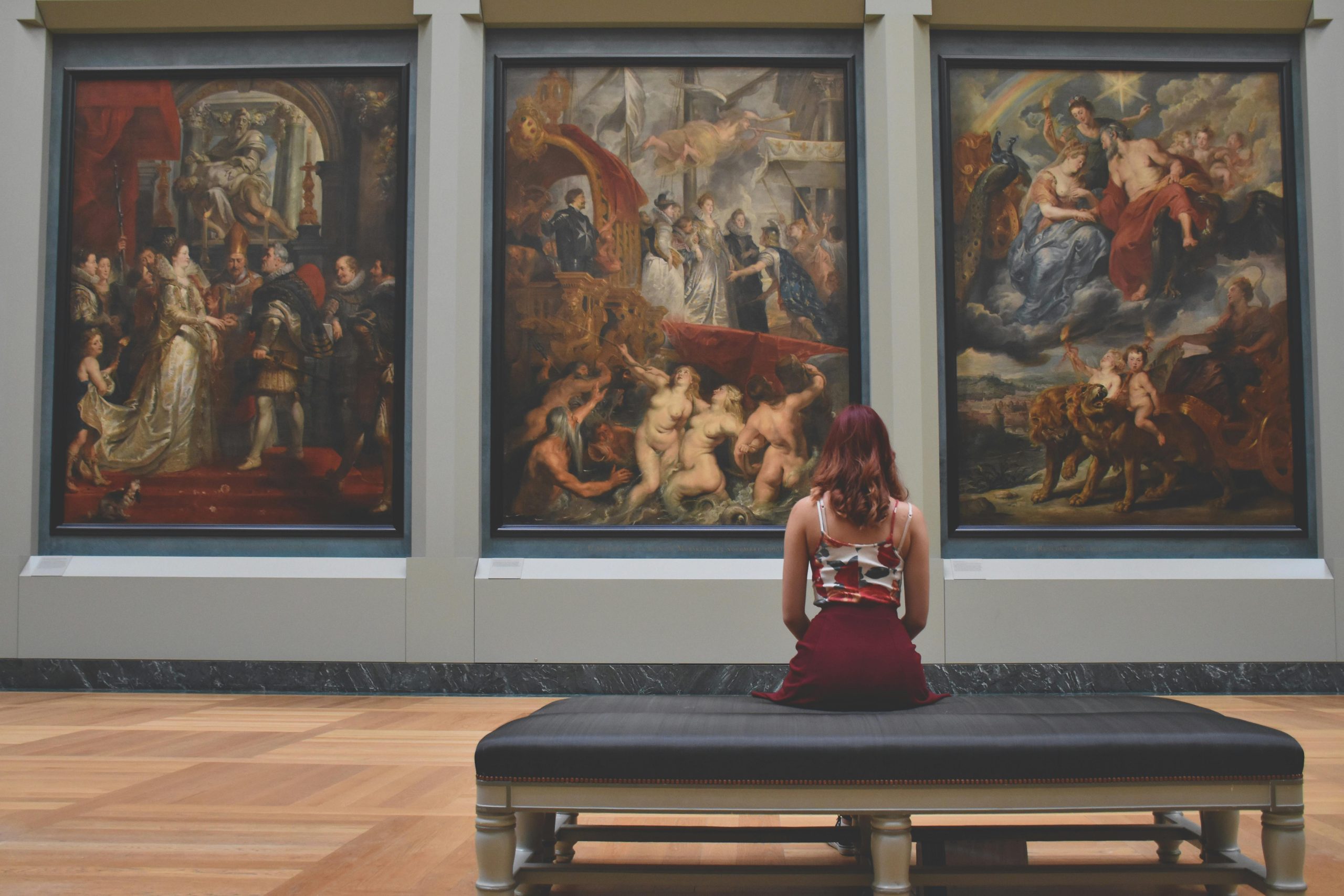
For museums, the artficial intelligence revolution presents both opportunities and existential threats. On the one hand, AI technologies offer unprecedented possibilities for curating, classifying, and presenting collections in innovative ways. Through partnerships or licensing agreements with tech companies, museums could leverage cutting-edge AI to provide richer insights and more immersive experiences for visitors.
However, the flip side of this coin is the risk of becoming distanced from their audiences. As artficial intelligence-powered chatbots and summarization tools become more prevalent, museums may find themselves relegated to secondary sources, with their narratives and expertise filtered through the interpretive lenses of artficial intelligence systems controlled by tech giants.
The Future Art Ecosystems (FAE) team at London’s Serpentine gallery offers a nuanced perspective on this dilemma. While acknowledging the potential benefits of collaborating with corporate actors, they emphasize the importance of ensuring that such partnerships serve the public interest and align with cultural institutions’ mandates.
“The mandate of cultural institutions is to make informed decisions that serve the public interest,” the FAE team states. “This does not mean there should be an absolute embargo on partnering with large corporate actors, but the terms of that partnership should benefit the public above and beyond whether they have access to advanced artficial intelligence or not.”

The Proprietary vs. Open-Source Conundrum
At the crux of the artficial intelligence dilemma facing artists and museums lies the choice between proprietary, closed artficial intelligence systems developed by tech giants and open-source models freely available on the web. The Stanford report highlights how closed, proprietary models have been outperforming open-source alternatives, raising concerns about the distribution of artficial intelligence’s benefits and the potential erosion of democratic access.
For artists, the implications of this disparity are profound. Will they have the resources and access to shape artficial intelligence technology according to their creative visions, or will they be limited to working within the constraints imposed by corporate interests? The legendary film directors Ingmar Bergman and Yasujirō Ozu were arguably constrained by the budgets and studio systems of their time – will contemporary artists face similar limitations in the AI realm?
Museums confront a parallel dilemma. If their collections and data are not part of the training models powering artficial intelligence systems, they risk becoming invisible and irrelevant in the digital age. Yet, allowing their data to be used for artficial intelligence training, often for negligible compensation, raises concerns about losing control over their narratives and intellectual property.
Forging a Path Forward: Collaboration, Transparency, and Public Interest
As the artficial intelligence revolution continues to unfold, artists and cultural institutions must explore innovative strategies to navigate the challenges and opportunities it presents. Collaborative efforts between academia, the creative sector, and responsible tech companies could pave the way for more transparent, ethical, and democratized artficial intelligence development.
The Serpentine’s Future Art Ecosystems report proposes a model for creating “data trusts,” where critical creative data can be managed and governed by external trustees, ensuring responsible usage and protecting the interests of artists and institutions.
Furthermore, initiatives like the UK’s Arts and Humanities Research Council‘s funding programs aim to incentivize responsible artficial intelligence innovations and foster public trust and understanding of these technologies within the cultural domain.
Ultimately, the art world’s artficial intelligence dilemma underscores the importance of maintaining a balance between technological progress and the preservation of artistic freedom, cultural heritage, and democratic access to knowledge and creativity. By fostering collaboration, promoting transparency, and prioritizing the public interest, artists and museums can forge a path toward thriving in an artficial intelligence-driven future without sacrificing their autonomy or losing their vital connections with audiences.
The Road Ahead: Embracing Change through AI, Preserving Essence
As the Stanford report’s editor-in-chief, Nestor Maslej, aptly stated, the artficial intelligence industry moves in “weird and surprising ways,” and the jury is still out on its long-term implications. While the challenges are daunting, the art world has always been a bastion of resilience, adaptation, and creative expression.
By embracing change while preserving the essence of artistic expression and cultural preservation, artists and museums can navigate the artficial intelligence revolution with ingenuity and purpose. Through continuous dialogue, ethical governance, and a commitment to serving the public good, the creative sector can shape the trajectory of AI development, ensuring that these powerful technologies enhance rather than diminish the richness and diversity of human artistic endeavors.
In the end, the art world’s AI dilemma is not merely a technological challenge but a call to redefine the relationship between creativity, culture, and the rapidly evolving digital landscape. By rising to this occasion, artists and museums can forge a future where AI augments and amplifies the human experience, rather than overshadowing or supplanting it.