

AI in healthcare has revolutionized patient care and disease diagnosis. Medical imaging analysis allows AI algorithms to identify abnormalities and lesions, aiding in the detection of conditions like cancer. Clinical decision support systems provide evidence-based recommendations, while NLP enables analysis of the unstructured medical text. Predictive analytics predicts disease risks and treatment responses. Virtual assistants offer personalized information and support for medication management, chronic disease, mental health, and post-discharge care. These advancements enhance patient outcomes and transform healthcare delivery. In this article let us look at how AI in Healthcare is revolutionizing patient care and disease diagnosis.
AI in Healthcare- Disease Diagnosis
Medical imaging analysis:
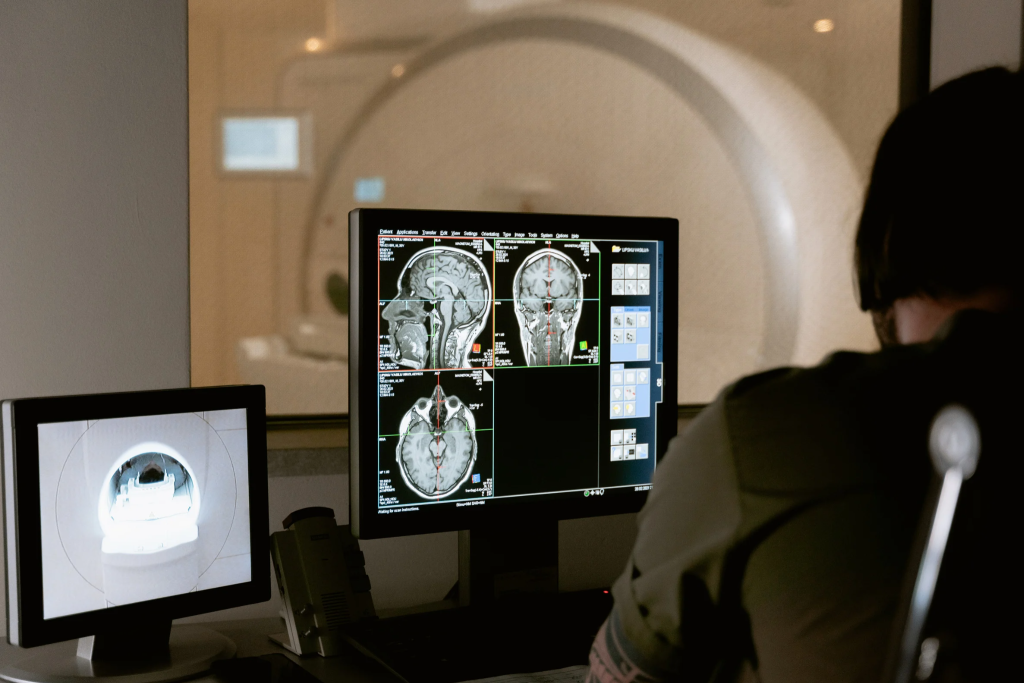
AI in healthcare uses algorithms that can analyze medical images such as X-rays, CT scans, MRIs, and pathology slides. Deep learning and computer vision techniques enable the identification of abnormalities, lesions, and patterns that may indicate the presence of a disease. AI can help radiologists and pathologists detect diseases like cancer, cardiovascular conditions, neurological disorders, and more.
Clinical decision support systems: AI-powered clinical decision support systems (CDSS) provide healthcare professionals with evidence-based recommendations and insights during the diagnostic process. By analyzing patient data, symptoms, medical history, and relevant medical literature, AI can assist doctors in making more accurate diagnoses and suggesting appropriate treatment options.
Natural language processing (NLP): NLP techniques enable AI in healthcare systems to analyze and understand unstructured medical text, such as electronic health records (EHRs), clinical notes, and research articles. By extracting relevant information, identifying patterns, and linking data points, AI can aid in diagnosing diseases based on textual information and improve information retrieval for healthcare providers.
Predictive analytics:

AI algorithms can analyze large datasets, including patient demographics, genetic information, and medical histories, to predict the likelihood of developing certain diseases. This allows for early identification of high-risk individuals, enabling preventive interventions and personalized monitoring to potentially reduce the impact of the disease
Differential diagnosis support: AI can assist in generating a list of potential diagnoses based on symptoms, patient history, and clinical data. By considering a wide range of possibilities and comparing them against large medical knowledge databases, AI in healthcare provides, suggestions and guidance to support the diagnostic process.
Artificial intelligence in the treatment for diseases

Genomic analysis:
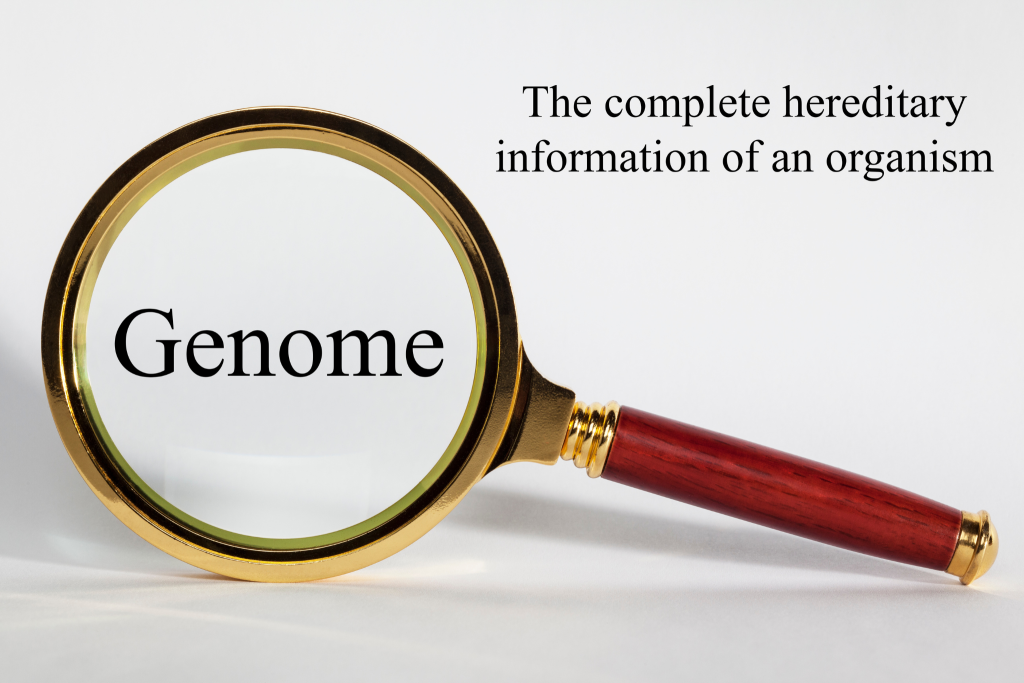
AI algorithms can analyze genomic data to identify genetic variations and mutations associated with diseases. This information is used to personalize treatment decisions, such as selecting targeted therapies or determining drug responses based on genetic profiles.
Treatment response prediction: AI algorithms can analyze patient data, including clinical and imaging data, to predict individual responses to specific treatments. This allows for treatment optimization, minimizing potential side effects, and improving treatment outcomes.
Drug discovery and repurposing: AI algorithms can analyze vast amounts of biomedical data, including molecular structures, drug databases, and scientific literature, to identify potential drug candidates for specific patient populations. AI can also repurpose existing drugs for new indications by analyzing drug properties and disease characteristics.
Virtual screening and clinical trials: AI algorithms can accelerate the identification of potential drug candidates by virtually screening large compound libraries. They can also optimize the clinical trial design by identifying patient populations that are more likely to respond positively to specific interventions, reducing trial costs and time.
AI applications in patient care
Virtual assistants for patient care : It is an AI-powered tools designed to assist and support patients in various aspects of their healthcare journey. These virtual assistants leverage natural language processing (NLP), machine learning, and voice recognition technologies to provide personalized information, guidance, and support.
Medication management:

Virtual assistants can assist patients in managing their medications. They can provide medication reminders, instructions on dosage and timing, and information about potential side effects or drug interactions. Some virtual assistants can even facilitate prescription refills and coordinate medication deliveries.
Chronic disease management: Virtual assistants can support patients with chronic conditions such as diabetes, asthma, or hypertension. They can offer personalized monitoring, reminders for medication adherence, lifestyle recommendations, and guidance on managing symptoms.
Mental health support: Virtual assistants can provide resources and support for mental health concerns. They can engage in conversations, offer coping strategies, and provide access to mental health resources and helplines. Virtual assistants can help individuals manage stress, anxiety, or depression symptoms.
Post-discharge support: Virtual assistants can assist patients after hospital discharge by providing post-care instructions, medication reminders, and monitoring progress. They can answer questions about recovery, and potential complications, and guide a smooth transition from hospital to home.Virtual assistants for patient care aim to enhance patient engagement, provide accessible information, and support individuals in managing their health
Recent AI advancements in healthcare
Google Cloud is increasing its use of emerging artificial intelligence technology in health care, allowing Mayo Clinic medical personnel to swiftly retrieve patient information using the same capabilities that power the latest chatbots.
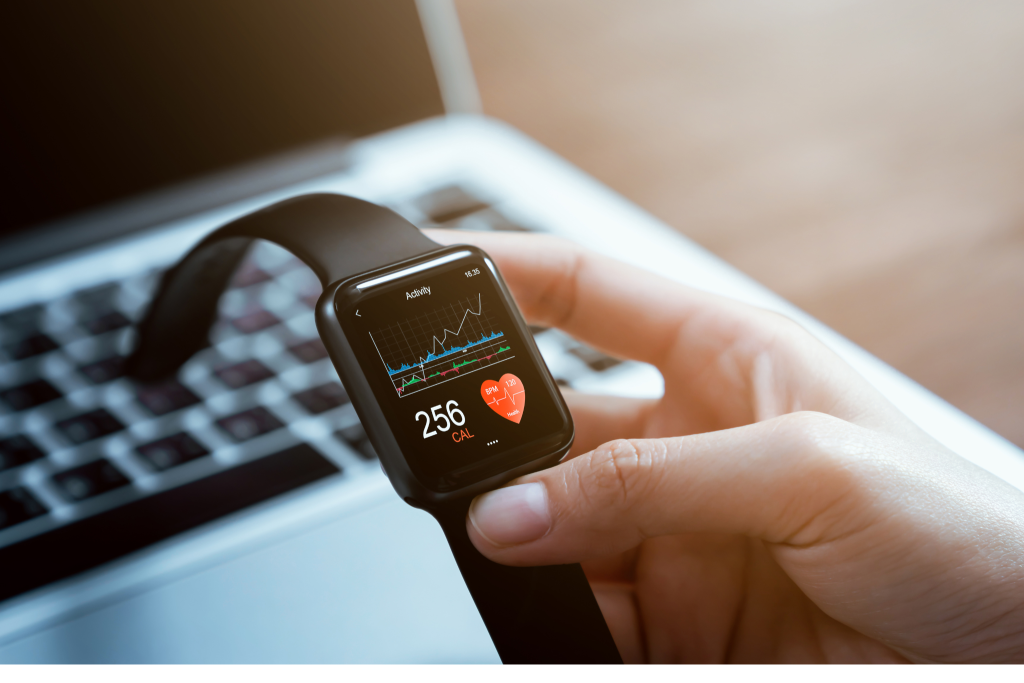
Smartwatches are the most common wearable AI in healthcare gadgets that can help individuals detect cardiac arrhythmias by constantly monitoring heart activity. AI in healthcare systems has numerous benefits, including enhanced patient care, decreased rates of medical errors, better treatment suggestions, and more accurate illness diagnosis.
Read more related to this with a case study – here
AI in healthcare is assisting physicians in diagnosing and managing kidney illness, as well as predicting patient trajectories. Nephrologists and other medical disciplines utilize AI and ML to analyze images from radiology or histology, as well as photographs obtained by smartphones, to determine a patient’s state.
In conclusion, AI in healthcare has ushered in a new era of patient care and disease diagnosis. Through medical imaging analysis, clinical decision support systems, NLP, and predictive analytics, AI empowers healthcare professionals to provide personalized and evidence-based care. Additionally, virtual assistants enhance patient engagement and support in various aspects of healthcare. With advancements in AI, patient outcomes are improving, medical errors are reducing, and healthcare delivery is being transformed. The potential of AI in revolutionizing healthcare is immense, promising a future where precision medicine and patient-centric care are the norms.