
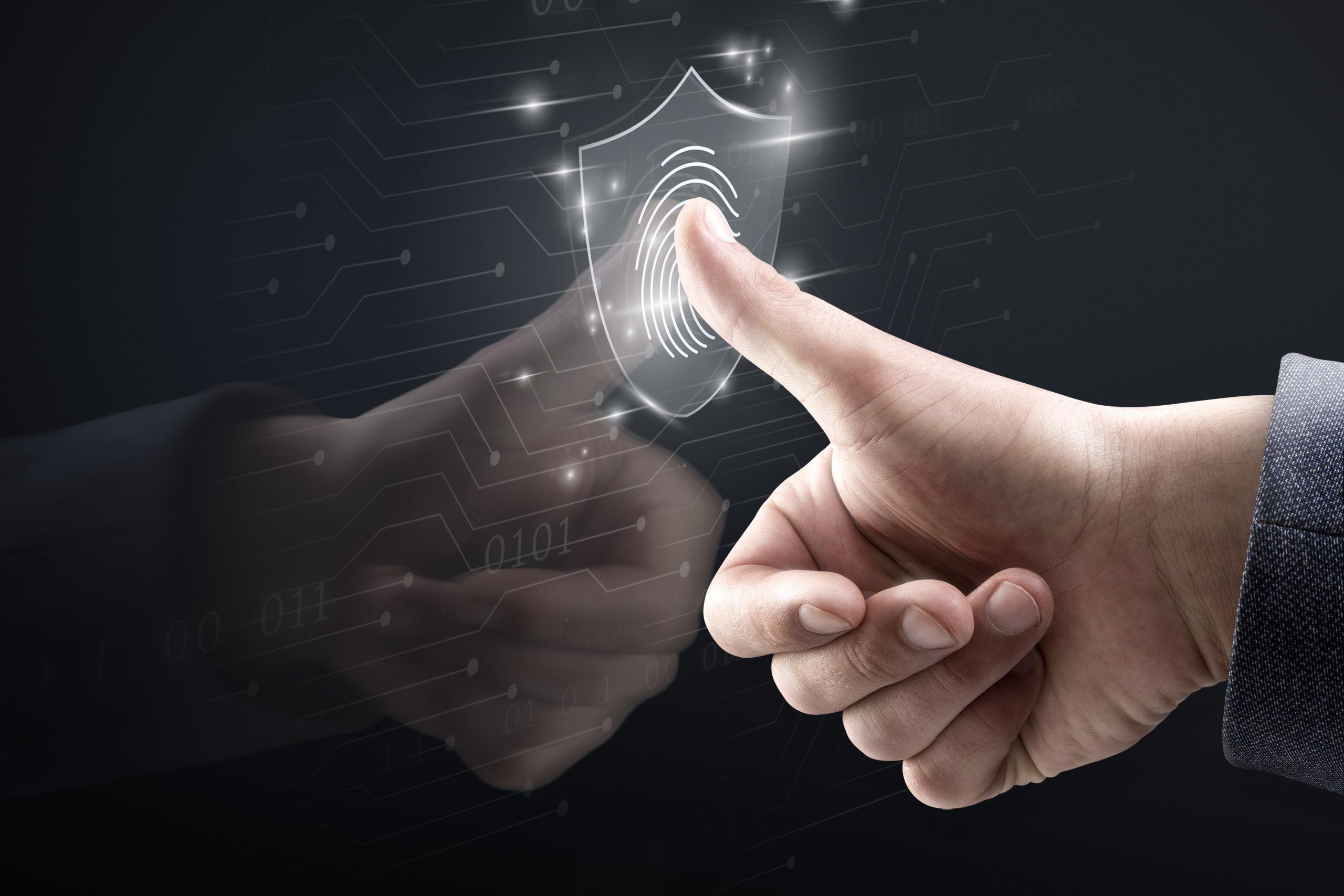
In today’s digital epoch, security and authentication have become paramount concerns for individuals, businesses, and governments alike. With the rise of cyber threats and identity theft, traditional methods of identification, such as passwords and PINs, are no longer sufficient. Enter biometrics, a cutting-edge technology that promises to revolutionize the way we prove our identities and safeguard our sensitive information.
What are Biometrics?
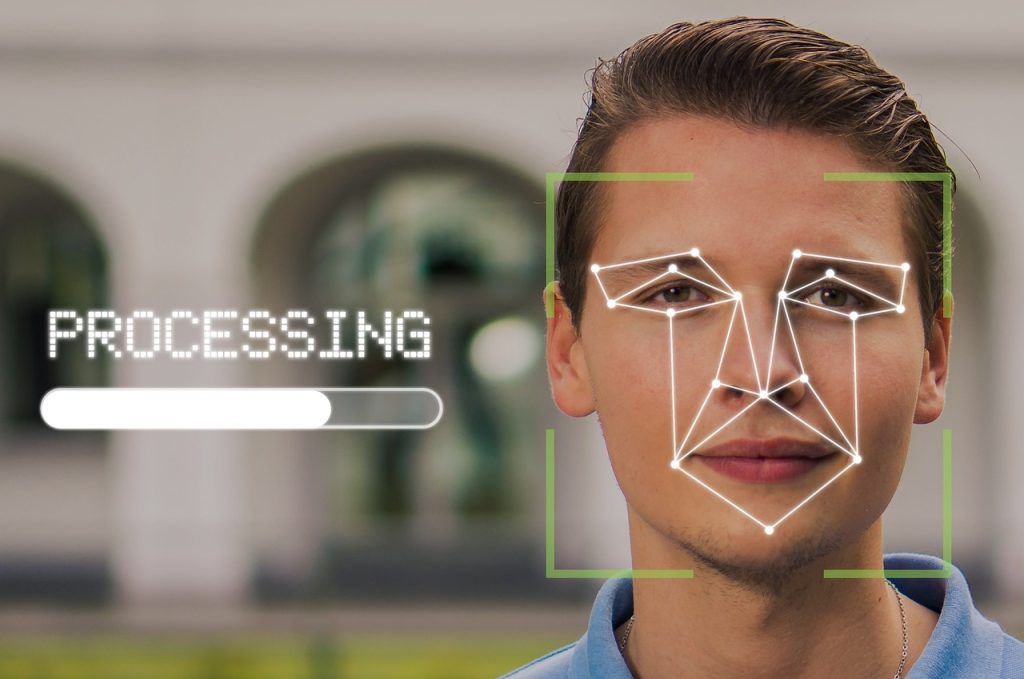
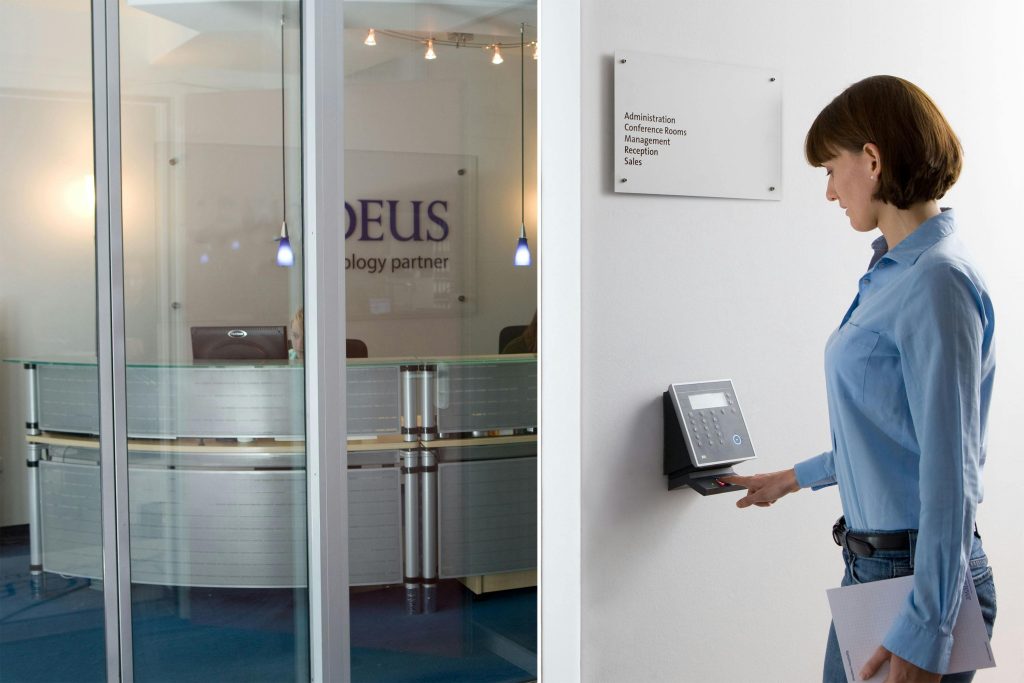
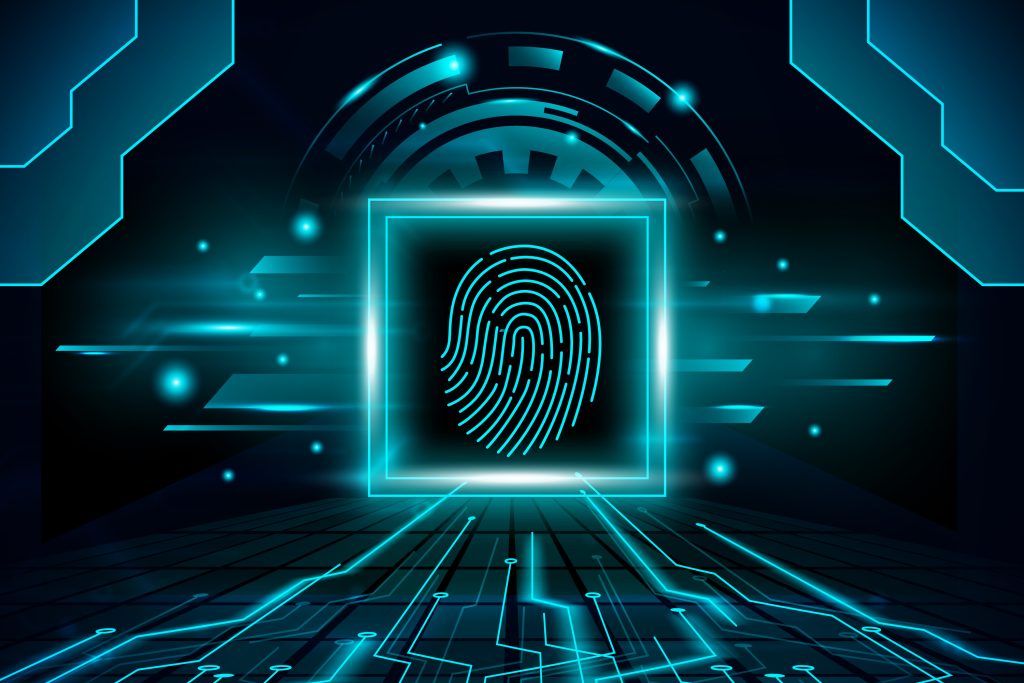
Biometrics refers to the use of unique physical or behavioral characteristics to verify an individual’s identity. These characteristics can include fingerprints, iris patterns, facial features, voice recognition, and even gait analysis. By leveraging these intrinsic traits, biometric systems provide a more secure and convenient means of authentication compared to traditional methods.
Biometrics: Unparalleled Accuracy and Convenience
Biometrics is the science of identifying individuals based on their unique physical or behavioral characteristics, such as fingerprints, iris patterns, facial features, and voice recognition. By leveraging these intrinsic traits, biometric systems offer unparalleled accuracy in authentication, significantly reducing the risk of identity theft and unauthorized access.
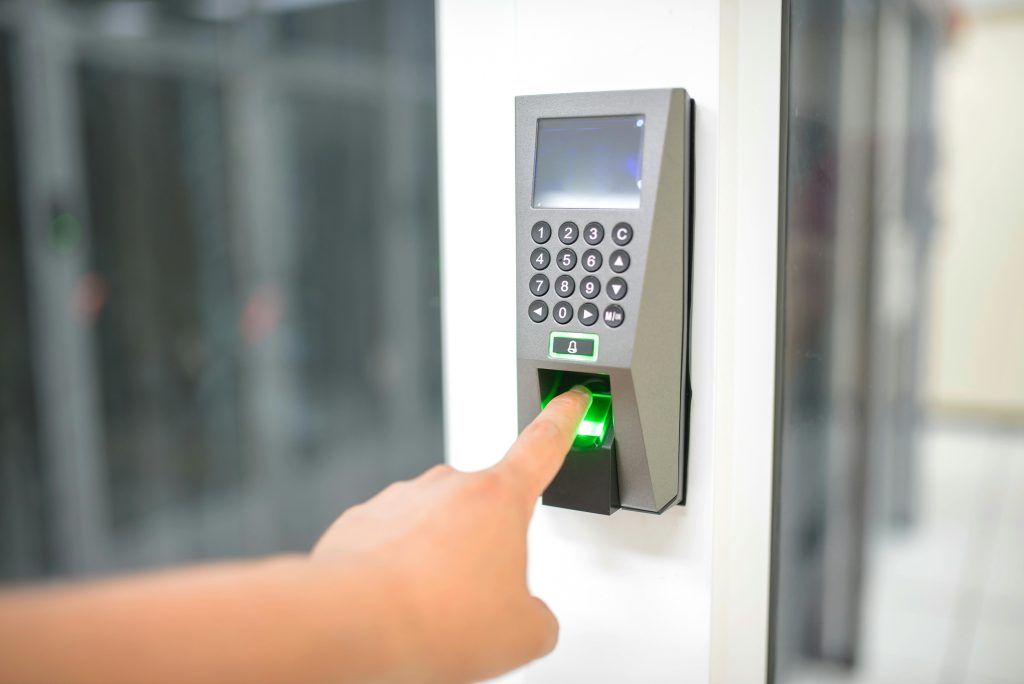
One of the key advantages of biometric devices is their inherent resistance to spoofing attacks. Unlike passwords or tokens, which can be stolen or shared, biometric identifiers are virtually impossible to replicate or transfer, providing an additional layer of security against impersonation attempts.
Advancements in Biometric Technologies
- Multimodal Biometrics
One of the most significant advancements in biometric technologies is the development of multimodal biometrics. This approach combines two or more biometric modalities, such as fingerprint and iris recognition, to enhance the accuracy and reliability of the authentication process. By fusing multiple biometric traits, multimodal systems overcome the limitations of single-modal systems and reduce the risk of spoofing attacks.
- Liveness Detection
A crucial challenge in biometric authentication is ensuring that the presented biometric data belongs to a live person and not an artificial replica or recording. Liveness detection techniques aim to address this issue by analyzing subtle cues, such as eye movements, facial expressions, or pulse detection, to verify that the biometric data is being captured from a genuine, living individual. This added layer of security helps prevent sophisticated spoofing attempts.
- Contactless Biometrics
Traditional biometric systems often required physical contact with a sensor, which raised hygiene concerns and usability issues. However, advancements in contactless biometrics have paved the way for more convenient and hygienic authentication methods. Facial recognition, iris scanning, and voice recognition are examples of contactless biometric modalities that can be implemented without the need for physical interaction.
- Mobile Biometrics
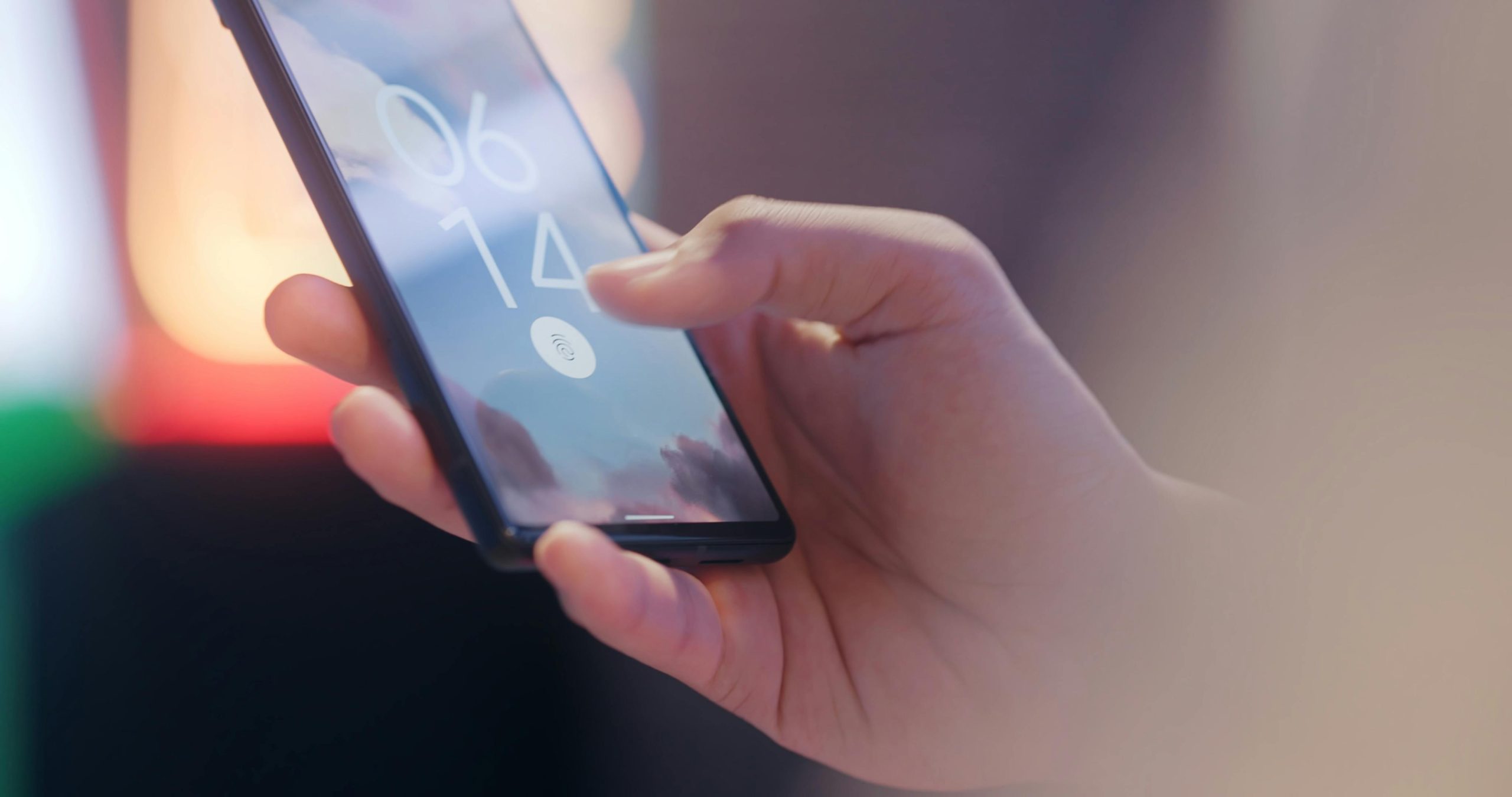
With the proliferation of smartphones and tablets, mobile biometrics has emerged as a game-changer in the field of authentication. Many modern mobile devices now incorporate biometric sensors, such as fingerprint scanners and facial recognition cameras, enabling users to securely unlock their devices and authenticate various applications and services with a simple touch or a glance.
- Biometric Encryption and Template Protection
One of the key challenges in biometric systems is ensuring the protection of biometric data, as compromised biometric templates can lead to identity theft and other security breaches. To address this concern, researchers have developed biometric encryption and template protection techniques. These methods involve transforming and securing biometric data, ensuring that even if the templates are compromised, the original biometric information cannot be reconstructed or misused.
New Tides of Biometrics
Interpol’s Biometric Device Procurement
Interpol is kickstarting a process to acquire mobile biometric devices that can perform cloud searches for suspect identification. They’re looking to issue a five-year contract (or multiple contracts) for devices that can search fingerprints, faces, and other biometrics for both search and storage purposes. Local matching capabilities are considered a “nice to have” feature.
EU’s Data Protection Authority Ruling
In a recent ruling, the EU’s data protection authority has stated that airport biometric systems must rely on encryption keys controlled by the data subjects themselves to comply with GDPR. They’ve also identified minimum accompanying safeguards. This ruling, requested by French authorities, could potentially give a boost to the EU Commission’s digital travel credential pilots.
TSA’s Facial Recognition Program Struggles
On the other hand, the TSA’s facial recognition program doesn’t work in the same way as the EU’s proposed system. According to TSA Administrator David Pekoske, the program might take up to 25 years to reach all American airports at the current rate, despite $1.6 billion in security fee proceeds intended to fund the program being diverted elsewhere.
False Matches and Lawsuits in the UK
In the UK, a couple of false matches involving facial recognition technology have led to lawsuits. In one case, a teenage girl was mistakenly flagged as a shoplifter and ejected from a store, while in another, a man was detained for nearly half an hour. Although the Met Police claims the technology has led to 92 arrests, Big Brother Watch believes there have been other mismatches as well.
Potential for a Biometrics and Surveillance Camera Commissioner
Coincidentally, these issues fall under the purview of the UK Biometrics and Surveillance Camera Commissioner, a role that would have been absorbed into the Information Commissioner’s Office had the DPDI (Data Protection and Digital Information Bill) not been abandoned due to an election. The inadequacy of existing data protection regulations to address false biometric matches was an anticipated problem. However, other parts of the DPDI were broadly supported by digital ID advocates and industry.
APRA and Digital Carnage
Lawmakers on a U.S. house committee have painted a picture of digital carnage while voicing support for APRA (the American Privacy Rights Act). This proposed federal data privacy legislation would preempt state laws, introduce age verification for social media, and potentially set rules for biometrics use if certain members are successful in revising it.
New Zealand’s Biometrics Code of Practice Debate
In New Zealand, an advocacy group for digital ID (DINZ) argues that the code of practice for biometrics proposed by the country’s Privacy Commissioner puts public fears before real privacy threats. DINZ points out technical inconsistencies and suggests that the needed guidelines should be created by someone else.
Age Assurance Market Developments
The age assurance market is rapidly taking shape, with Trust Stamp filing for a patent and Luciditi partnering with Privately. NIST has also published its long-awaited report evaluating the performance of biometric facial age estimation from various companies like Yoti, ROC, Dermalog, Incode, Neurotechnology, and Unissey. The ACCS has released high-level and in-depth reports on its recent Global Age Assurance Standards Summit, where the NIST FATE results were previewed.
Samsung’s Biometric Card Patents
Samsung has patented a fingerprint IC for biometric cards, as well as the cards themselves. The company claims its integrated sensor, storage, and processing bundle includes software to optimize user experience and detect spoofs. The card could also include additional memory, an RF chip, or a digital display. Samsung already has an MoU (Memorandum of Understanding) with Mastercard.
Mastercard’s African Development Bank Partnership
Mastercard is partnering with the African Development Bank on a $300 million plan to provide digital IDs and online service access to 100 million Africans over the next decade. The Mastercard Community Pass is based on a digital ID and wallet stored on a smart card.
MOSIP’s QR Code Specs for Offline Authentication
MOSIP (Modular Open Source Identity Platform) has published the specifications for a QR code that enables the use of face biometrics for offline authentication. Claim 169 also supports a range of demographic details, leverages W3C’s Verifiable Credentials, and is intended to support cross-border interoperability between national IDs.
Overcoming Challenges and Concerns of Biometrics
While biometric technologies offer numerous benefits, there are also concerns and challenges that need to be addressed. Privacy and data protection are significant issues, as biometric data is inherently sensitive and personal. Proper safeguards and regulations must be in place to prevent misuse and ensure the ethical and responsible use of biometric information.
Another challenge is the potential for biometric systems to be vulnerable to spoofing attacks or other forms of tampering. Continuous research and development are necessary to stay ahead of evolving threats and ensure the reliability and robustness of biometric systems.
In Essence
As technology continues to advance, biometrics is poised to become the cornerstone of secure authentication and identity management. With its unique combination of convenience, accuracy, and enhanced security, biometric technology has the potential to revolutionize various industries and aspects of our daily lives.
However, it is essential to strike a balance between the benefits of biometrics and the ethical considerations surrounding privacy and data protection. By addressing these challenges through robust regulations, security measures, and ongoing research, we can harness the full potential of biometric technologies while safeguarding individual rights and liberties.
In the ever-evolving digital landscape, biometrics represents a promising solution to the growing need for secure and convenient authentication methods. As we embrace this technology, we move closer to a future where our identities are truly safeguarded, and our sensitive information remains protected from unauthorized access.