

Imagine having a virtual assistant that can analyze medical images like MRI scans or X-rays with mind-blowing accuracy, often outperforming human experts. These deep learning models can spot even the tiniest anomalies, like tumors or fractures, that might have been missed by the naked eye. Talk about a game-changer for early detection and diagnosis!
But it doesn’t stop there. These deep learning algorithms are also proving their worth in predicting the likelihood of diseases like cancer, diabetes, and heart conditions. By analyzing vast amounts of patient data, including medical histories and imaging, they can provide invaluable insights for diagnosis and treatment planning.
Speaking of treatment, deep learning is revolutionizing personalized medicine. By studying an individual’s genetic makeup, lifestyle factors, and more, these algorithms can recommend tailored treatment plans. Imagine receiving a treatment plan customized just for you, maximizing effectiveness and minimizing side effects – that’s the power of personalization!
Beyond direct patient care, deep learning is streamlining healthcare operations and management. From optimizing resource allocation and staff scheduling to inventory management, these algorithms are making hospitals and clinics more efficient, reducing costs, and improving overall patient experiences.
The examples are endless, but the common thread is clear: deep learning algorithms are transforming the medical field, bringing unprecedented levels of accuracy, personalization, and efficiency to diagnosis and treatment. It’s an exciting time, and we’re just scratching the surface of what’s possible. Listed down are a few examples of how Deep Learning Algorithms are revolutionising the healthcare industry.
Medical Imaging Analysis using Deep Learning Algorithms
One of the most prominent applications of deep learning algorithms in healthcare is medical imaging analysis. Techniques such as MRI, CT scans, X-rays, and ultrasound generate vast troves of visual data that require meticulous examination.
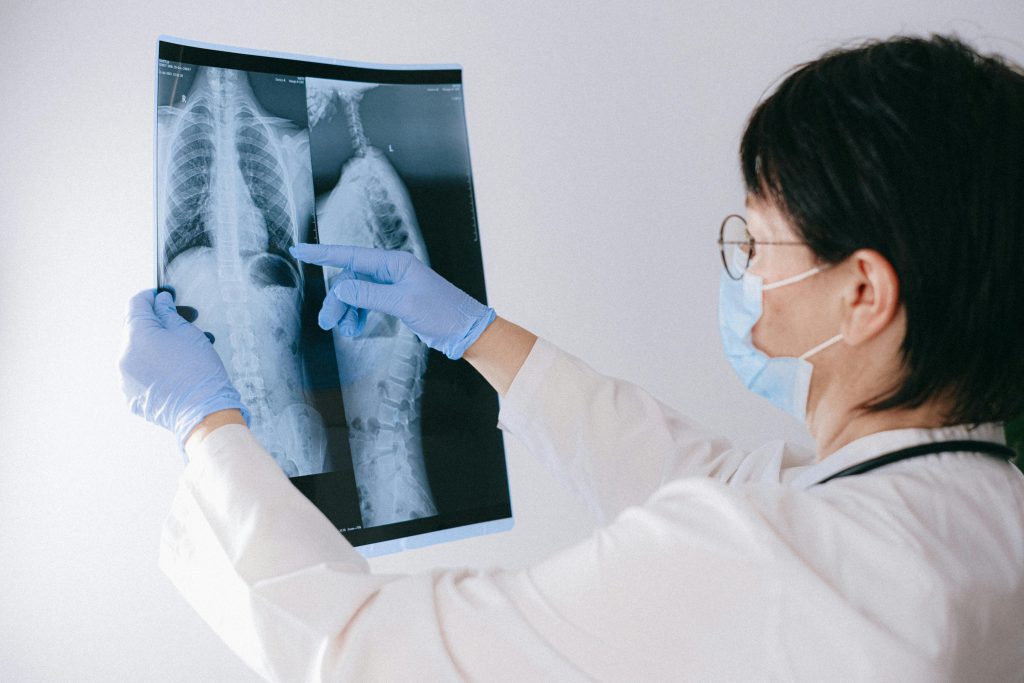
Traditionally, this process has been heavily reliant on human expertise, which can be subject to fatigue, bias, and inconsistencies. However, deep learning algorithms, particularly convolutional neural networks (CNNs), have demonstrated remarkable prowess in identifying anomalies, such as tumours or fractures, with an accuracy that often surpasses human radiologists in certain tasks. By automating and augmenting the analysis of medical images, these deep learning algorithms expedite diagnosis, reduce the chances of human error, and ultimately lead to better patient outcomes.
Disease Diagnosis and Classification
Beyond medical imaging, deep learning models, driven by powerful deep learning algorithms, are increasingly being employed for disease diagnosis and classification. By leveraging vast datasets encompassing patient data, including images and medical histories, these models can predict the likelihood of diseases such as cancer, diabetes, and cardiovascular conditions with remarkable precision. For instance, CNNs, a type of deep learning algorithm, have proven their mettle in classifying skin lesions with an accuracy on par with experienced dermatologists, facilitating early detection and timely treatment.
Segmentation and Localization through Deep Learning Algorithms
Segmentation and localization, crucial tasks in medical imaging, have also benefited tremendously from deep learning algorithms. These techniques involve identifying and delineating specific regions within medical images, enabling precise diagnosis and treatment planning.
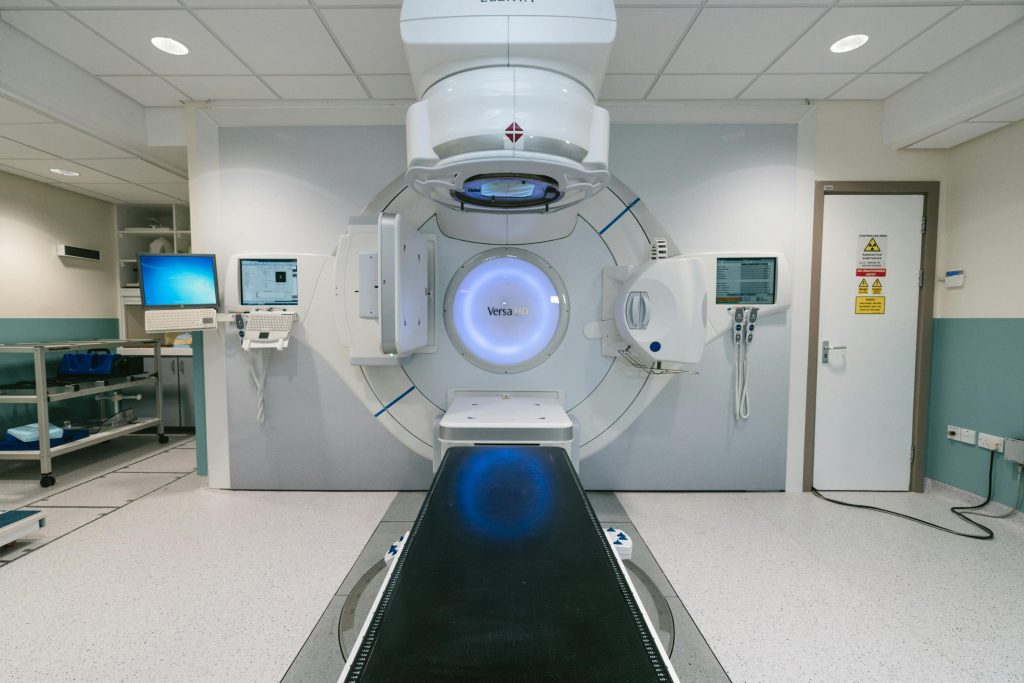
CNNs and U-Nets, a specialized type of neural network architecture powered by deep learning algorithms, excel at segmenting complex structures like organs, tissues, and tumors with remarkable accuracy. This precise mapping of affected areas aids in planning surgeries, radiotherapy, and other treatments, ultimately improving patient outcomes.
Surgical Assistance and Planning
The realm of surgical assistance and planning has also been transformed by the synergy of computer vision and deep learning algorithms. Robotic surgery systems, enhanced with AI capabilities driven by deep learning algorithms, provide real-time guidance and precision during operations.
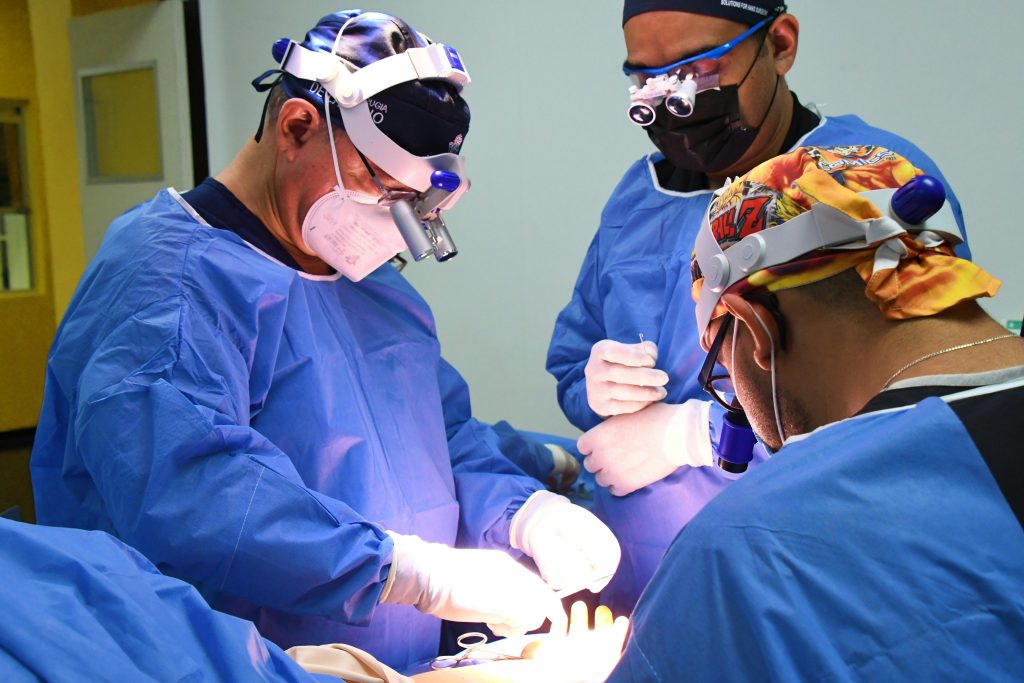
These systems can interpret surgical scenes, track instruments, and offer augmented reality overlays to highlight critical structures, thereby improving surgical accuracy and patient safety.
Drug Discovery and Development
In the quest for new and more effective treatments, deep learning models, fueled by cutting-edge deep learning algorithms, are proving invaluable in the domains of drug discovery and development.

By analyzing vast datasets, these models can identify potential drug candidates and predict their efficacy, simulating molecular interactions and predicting the properties of new compounds. This significantly accelerates the drug development process, reducing costs and time, and enabling faster delivery of new treatments to patients.
Personalized Medicine
Personalized medicine, a rapidly evolving field, aims to tailor treatments to individual patients based on their unique genetic, environmental, and lifestyle factors. Deep learning algorithms play a pivotal role in this endeavor, analyzing genomic data, medical histories, and other relevant information to recommend personalized treatment plans. This approach enhances treatment efficacy and minimizes adverse effects, leading to more successful healthcare outcomes.
Healthcare Operations and Management
Beyond direct patient care, deep learning algorithms and computer vision are also transforming healthcare operations and management. These technologies optimize resource allocation, streamline workflows, and enhance hospital management. Predictive analytics, powered by deep learning algorithms, can forecast patient admissions, optimize staff scheduling, and manage inventory, improving overall healthcare efficiency and reducing costs.
Genomic Data Analysis
Moreover, deep learning algorithms significantly advance the analysis of genomic data, a critical component in understanding complex diseases and developing targeted therapies. By analyzing large-scale genomic datasets, deep learning models can identify genetic mutations linked to diseases, predict individual responses to treatments, and uncover new therapeutic targets.
This application of deep learning algorithms accelerates the pace of medical research and paves the way for more effective and personalized healthcare solutions.
Challenges and Future Directions
While the potential of deep learning algorithms in healthcare is undeniable, challenges remain in their widespread adoption. These include the need for large, high-quality datasets, interoperability issues, and the integration of AI tools powered by deep learning algorithms into existing healthcare systems. Addressing these challenges will require concerted efforts from researchers, healthcare professionals, and policymakers.
One area of focus is the development of explainable AI (XAI) models, which aim to make the decision-making processes of deep learning algorithms more transparent and interpretable. This is crucial for building trust and ensuring accountability, particularly in high-stakes medical applications involving deep learning algorithms.
Additionally, ensuring equitable access to AI-driven healthcare solutions powered by deep learning algorithms is a critical consideration. As these technologies continue to advance, it is essential to bridge the digital divide and ensure that the benefits of deep learning algorithms are accessible to all, regardless of socioeconomic status or geographic location.
On the Whole
Despite these challenges, the future of deep learning algorithms in healthcare is undoubtedly bright. As these AI technologies continue to evolve, they hold the promise of revolutionizing patient care and healthcare delivery. From early detection and precise diagnosis to personalized treatments and streamlined operations, deep learning algorithms are poised to become indispensable tools in the quest for better health outcomes.
Deep learning algorithms and computer vision are transforming healthcare by enhancing diagnostic accuracy, personalizing treatments, and improving operational efficiency. As we continue to harness the power of these technologies, we must address ethical, regulatory, and technical challenges to ensure they benefit all patients, regardless of their circumstances. The future of healthcare is inextricably intertwined with the advancement of deep learning algorithms, and it is up to us to embrace this transformative force while upholding the highest standards of care, equity, and ethical practice.