
Imagine a world where the lines between physical and virtual reality blur, where digital ownership is not just a concept but a tangible reality, and where economic transactions take place in immersive, shared virtual spaces. This is the promise of the metaverse, a burgeoning technological frontier that is poised to reshape the very fabric of our economic landscape.
But what exactly is the metaverse, and how is it giving rise to this new digital economy? In this article, we’ll dive deep into the metaverse’s economic potential, exploring its impact on industries ranging from gaming and entertainment to retail, finance, and beyond.
Defining the Metaverse
Before we delve into the economic implications of the metaverse, it’s essential to understand what it is and how it differs from the internet and virtual reality as we know it today.
As defined by Matthew Ball, a leading expert on the metaverse, it is “a massively scaled and interoperable network of real-time rendered 3D virtual worlds which can be experienced synchronously and persistently by an effectively unlimited number of users with an individual sense of presence, and with continuity of data, such as identity, history, entitlements, objects, communications, and payments” (Ball, 2022).
In simpler terms, the metaverse is a shared, immersive virtual space that blends elements of virtual reality, augmented reality, and the internet. It’s a persistent, interconnected world where users can interact, create, and engage in various activities, much like they would in the physical world.
The Rise of Digital Ownership and Scarcity
At the heart of the metaverse’s economic potential lies the concept of digital ownership and scarcity. In the traditional digital realm, the ease of copying and replicating digital assets has long challenged the notion of scarcity, a fundamental principle that drives value in the physical world.
However, the advent of blockchain technology and non-fungible tokens (NFTs) has ushered in a new era of digital scarcity. NFTs are unique, verifiable, and non-replicable digital assets that can represent anything from artwork and collectables to virtual real estate and in-game items.
This newfound ability to create and trade scarce digital assets has given rise to thriving virtual economies within the metaverse. One of the most prominent examples is the booming trade in virtual real estate.

Virtual Real Estate: A Booming Market
Platforms like Decentraland, The Sandbox, and Cryptovoxels have created virtual worlds where users can purchase, develop, and monetize parcels of virtual land using cryptocurrencies. These virtual plots have fetched staggering prices, with a single parcel in Decentraland’s Fashion Street district selling for a record-breaking $2.4 million in June 2022 (Quentson, 2022).
But virtual real estate is just the tip of the iceberg. The metaverse is also giving rise to a thriving digital art scene, with NFTs enabling artists to tokenize their creations and sell them as unique, scarce assets. Beeple’s “Everydays: The First 5000 Days” NFT, for instance, sold for a staggering $69.3 million at Christie’s in 2021 (Locke, 2021).
Digital Economy in Gaming
Another industry poised for disruption by the metaverse’s digital economy is gaming. The concept of “play-to-earn” models, where players can earn real-world income by participating in virtual economies and trading in-game assets as NFTs, is rapidly gaining traction.
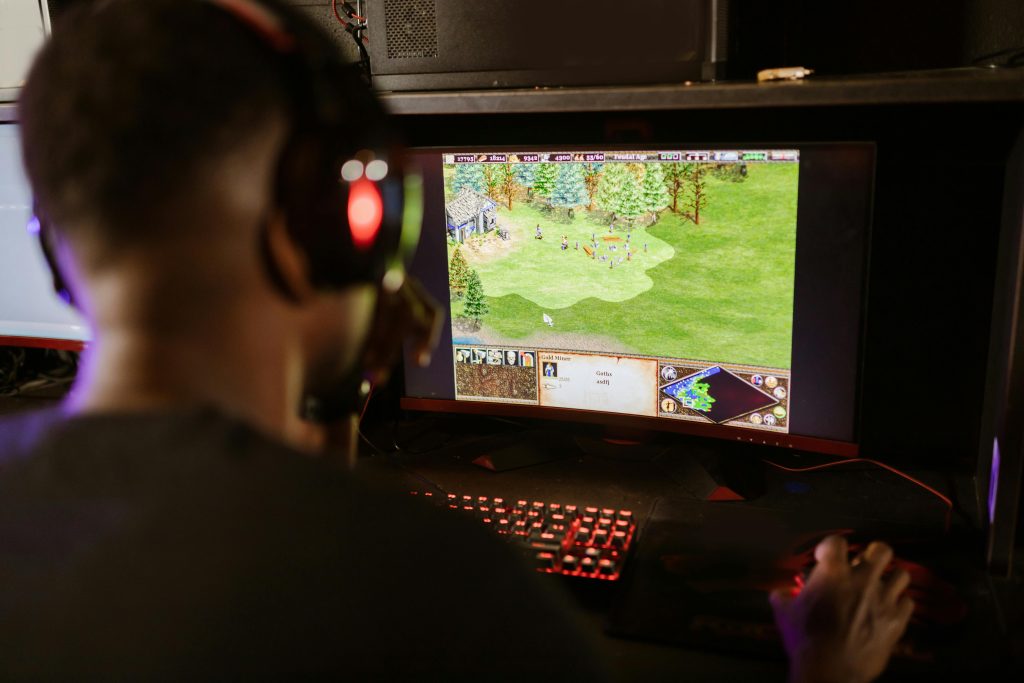
Games like Axie Infinity and The Sandbox have already embraced this concept, allowing players to earn cryptocurrency by completing tasks, breeding and trading virtual pets, and even creating and monetizing their own in-game content. This blurring of the lines between gaming and economic activity has the potential to reshape the entire gaming industry, creating new revenue streams and business models.
Retail and the Metaverse Shopping Experience
The metaverse’s economic impact extends far beyond gaming and virtual real estate. The retail sector is also taking note of the potential for immersive shopping experiences and the ability to sell digital merchandise, such as virtual fashion items.
Major brands like Nike, Gucci, and Balenciaga have already filed metaverse-related trademark applications, signaling their intent to establish a presence in these virtual worlds (Liptak, 2022). Imagine being able to virtually try on clothing or accessories before making a purchase, or attending a virtual fashion show where limited-edition digital items are auctioned off as NFTs.
The possibilities for innovative retail experiences and new revenue streams within the metaverse are vast, and savvy brands are already positioning themselves to capitalize on this emerging market.
Finance in the Metaverse: Decentralized and Virtual
Even the finance sector is taking note of the metaverse’s economic implications. Major banks and financial institutions are exploring the potential of virtual branches and services, while decentralized finance (DeFi) platforms are emerging as alternatives to traditional banking, offering lending, borrowing, and other financial services within the metaverse.
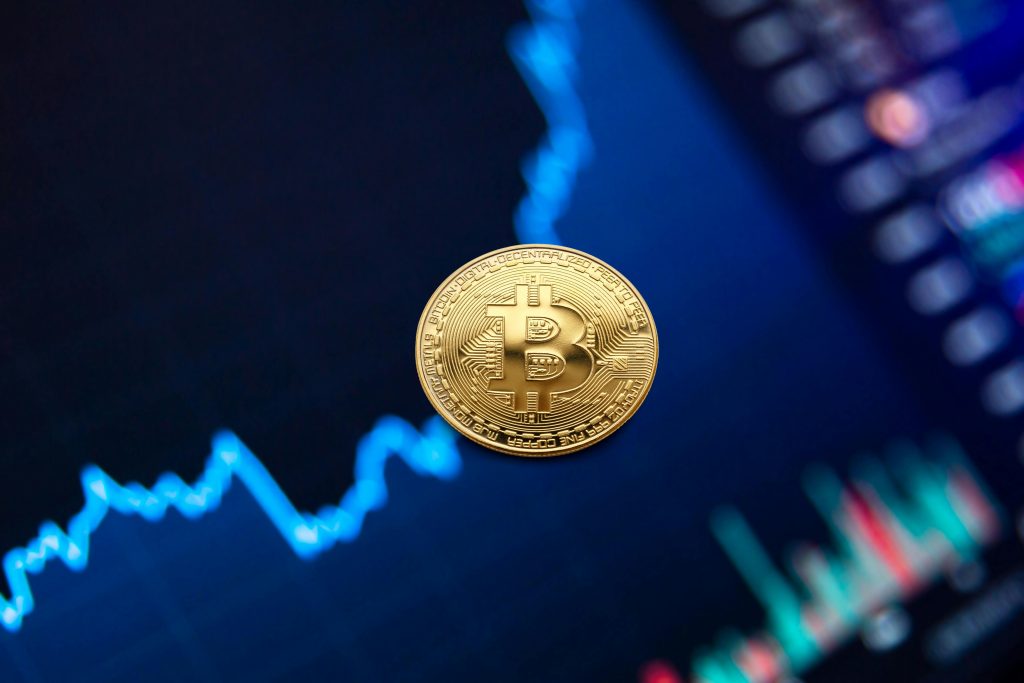
These DeFi platforms, built on blockchain technology, could potentially disrupt the traditional banking system by providing more transparent, secure, and accessible financial services to users within the metaverse. Imagine being able to take out a loan, invest in digital economy or assets, or even purchase virtual real estate without ever leaving the virtual world.
BIGG’s Big Move:
BIGG Digital Assets Inc. (“BIGG” or the “Company”), a prominent player in the digital asset domain and the proprietor of Netcoins, Blockchain Intelligence Group, and TerraZero, has unveiled an exciting development. TerraZero, the Company’s subsidiary dedicated to pioneering the open metaverse platform and crafting a comprehensive suite of software solutions that enable brands and businesses to establish their presence in the metaverse, has joined forces with Napster, the iconic music disruptor and the longest-running independent music streaming service globally.
Together, TerraZero and Napster have announced the second phase of their groundbreaking initiative to create immersive artist metaverse experiences. This collaboration aims to push the boundaries of virtual reality, offering music enthusiasts and artists alike an unparalleled opportunity to engage with one another in a wholly new and captivating digital realm.
By leveraging TerraZero’s cutting-edge metaverse platform and Napster’s extensive musical repertoire, this partnership promises to redefine the way artists connect with their fans and showcase their artistic prowess. The metaverse experiences envisioned by this collaboration are set to revolutionize the music industry, providing artists with a unique canvas to express their creativity and engage their audiences in unprecedented ways.
The Path Forward: Challenges and Opportunities
As with any emerging technology, the metaverse’s digital economy potential is not without its challenges. Issues around regulation, taxation, and intellectual property rights will need to be addressed as this new digital economy takes shape.
There are also concerns around the environmental impact of the energy-intensive computing power required to support these virtual worlds, as well as the potential for exploitation and predatory practices within unregulated virtual economies.
Despite these challenges, the potential rewards of the metaverse’s digital economy are too significant to ignore. As Matthew Ball notes, “The economic opportunity is best captured by the fact that today’s internet economy accounts for around $3.5 trillion, or 5% of global GDP, and the metaverse represents a new plane of economic productivity, consumption, investment, and labor” (Ball, 2022).
As we stand on the cusp of this new frontier, it’s clear that the metaverse’s digital economy is poised to reshape the way we think about value, ownership, and economic exchange. Whether you’re an artist, a gamer, a retailer, a finance professional, or simply a curious observer, the time to explore and embrace this new digital realm is now.
In the Essence
The metaverse is no longer a mere concept; it’s a rapidly evolving reality that is giving rise to a new digital economy with far-reaching implications. From virtual real estate and digital art to gaming, retail, and finance, the metaverse is disrupting industries and creating new opportunities for economic growth and innovation.
As this new frontier continues to unfold, it’s crucial for businesses, policymakers, and individuals alike to stay informed and adaptable. Those who embrace the metaverse’s economic potential early on may find themselves at the forefront of a new era of digital commerce and economic activity.
So, whether you’re a creator, an entrepreneur, or simply someone fascinated by the intersection of technology and economics, keep an eye on the metaverse. This is where the future of digital economies is taking shape, and the possibilities are virtually limitless.