
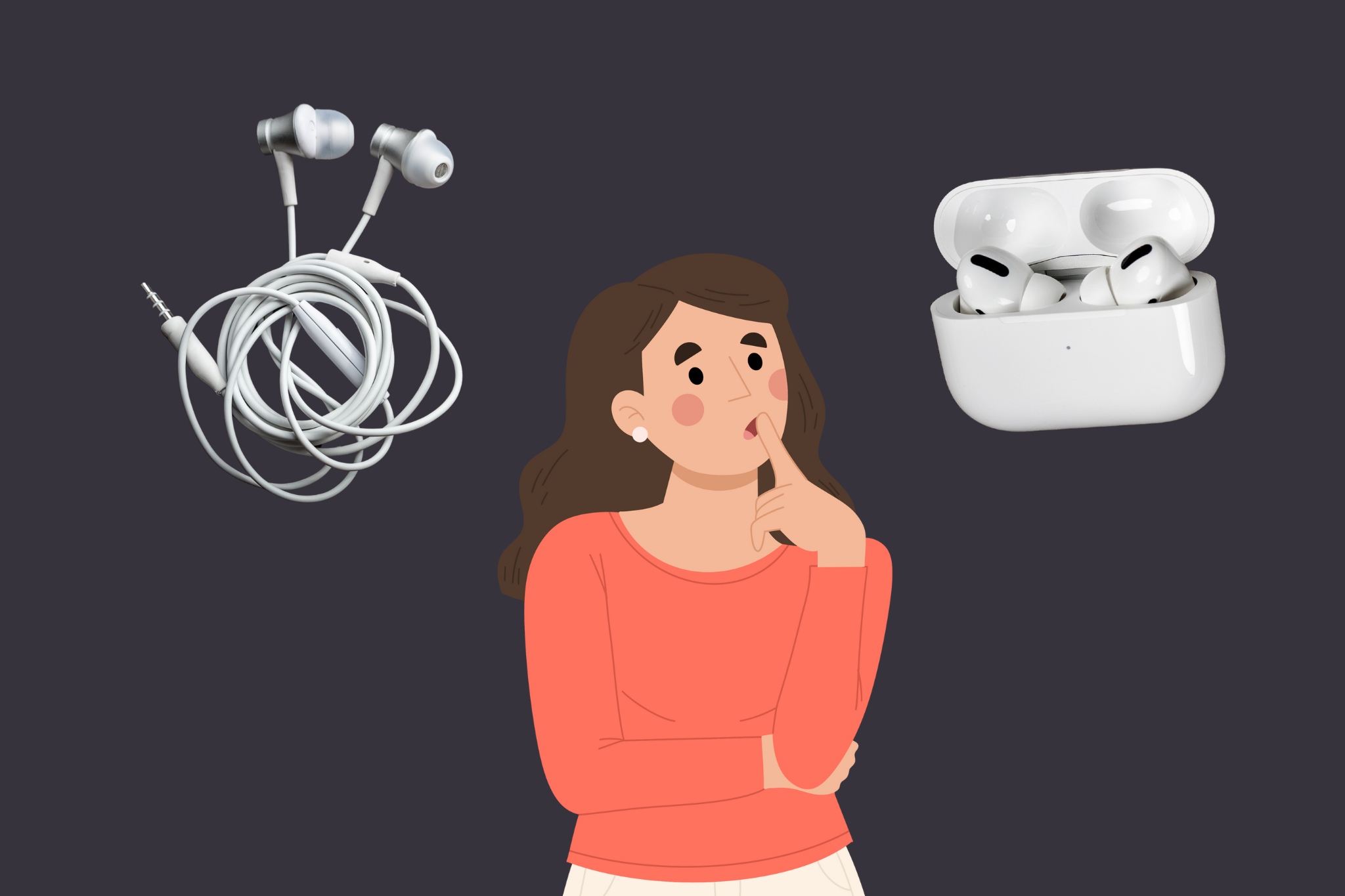
As headphones become an integral part of our daily lives, one of the most common questions asked is whether wireless or wired headphones better fit modern lifestyle needs.
This comprehensive guide breaks down the key differences to help you decide whether new-age wireless headphones or traditional cabled models better suit your needs.
What to Consider When Evaluating Wireless vs Wired Headphones
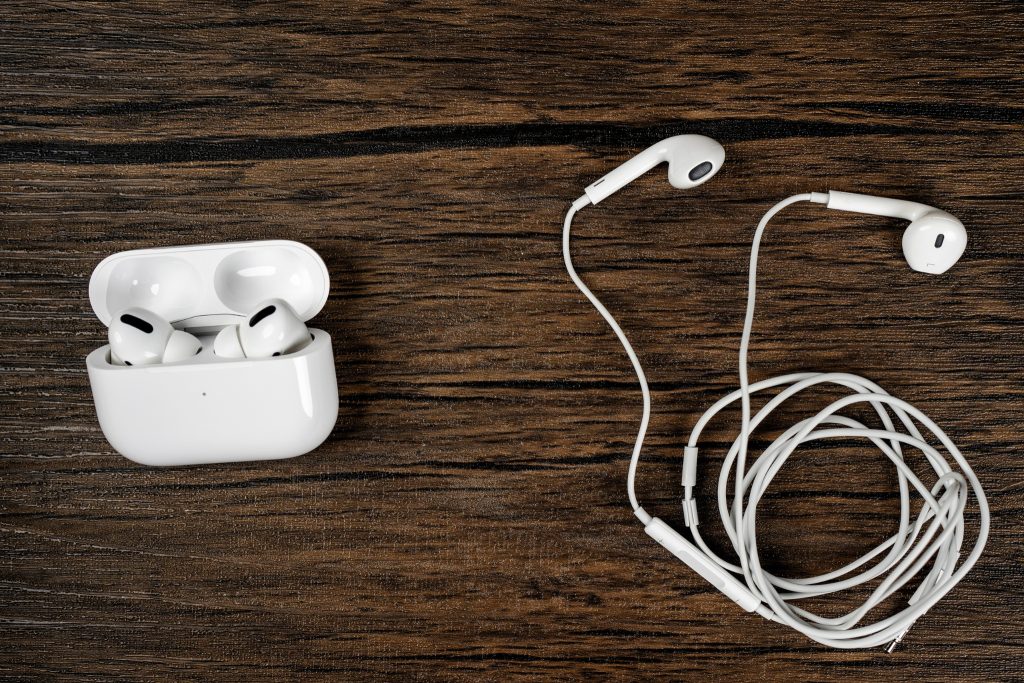
At a high level, the core difference between wireless and wired headphones comes down to their physical connectivity. But there are implications to factors like sound quality, convenience, battery life, and connectivity strength that you should consider when deciding between wireless vs wired headphones.
Wireless headphones utilize Bluetooth technology to connect to your audio source without restrictive wires. Wired headphones use an auxiliary cable plugged directly into your device. By weighing your needs and usage across key areas, you can determine whether going wireless or sticking with traditional wired headphones makes sense for your personal needs.
Sound Quality Differences
When it comes to sound quality, audio purists argue nothing beats the reliability of a hardwired connection. The wireless Bluetooth transmission used by wireless headphones opens the door for minor lags, drops, and sync issues that can slightly degrade sound reproduction.
However, wireless sound quality today impresses casual listeners thanks to advanced Bluetooth codecs like aptX and tight integration with modern smartphones and devices. Unless you demand pristine studio-level perfection, wireless headphones provide remarkably reliable streaming.
Of course wired headphones have their own audio advantages. With a direct and stable connection, interference is non-existent. This enables many affordable wired headphones to still deliver premium HD sound for the price. Just recognize mobility and flexibility sacrifices. If sound quality is your priority, both wireless and wired headphones now impress.
Convenience and Portability Difference
Here is where wireless headphones shine. Not dealing with tangled cables or wires means smoother portability between your home, office, gym, and commute. Wireless models also enable flexibility in movement while listening to music, taking calls, or even watching videos.
These wireless conveniences make the best Bluetooth headphones extremely seamless to use day-to-day across multiple devices with less hassle compared to traditional wired headphones. Wired headphones of course retain their own convenience advantage thanks to typically lower cost and lighter overall weight than premium wireless counterparts.
Battery Life and Connectivity Considerations

Wireless headphone battery life spans an extreme range depending on model. Budget wireless earbuds may last just 4 to 6 hours listening time, while premium over-ear headphones can achieve over 30 hours playback on a charge. This directly impacts convenience – shorter battery life demands more frequent charging. Luckily modern USB-C and fast charging compatibility helps offset the charging demands of wireless headphones.
Also recognize that Bluetooth wireless suffers occasional connectivity hiccups that wired interfaces don’t. While wireless stability continues improving with newer Bluetooth versions, tiny dropouts remain inherent to any wireless interface. Wired connections stay rock solid once plugged in, essential for uses like competitive gaming or music recording.
Key Takeaways – Wireless vs Wired Headphones
When evaluating wireless vs wired headphones, keep these key differences in mind while deciding:
- Sound quality meets most buyer standards regardless of headphone type
- Wireless headphones provide more flexible mobility during listening
- Battery charging and management required for wireless headsets
- Wireless connectivity affords freedom but is inherently less stable than wired
Determining the Right Headphone Type for Your Needs

Hopefully this breakdown better educates your buying decision between wireless vs wired headphones by highlighting the most important contrasting factors. Keep your intended uses, listening preferences, lifestyle needs and budget in mind.
Wireless and wired headphones both deliver compelling user experiences – selecting what’s right for you comes down personal priorities around sound fidelity, charging convenience, mobile flexibility in usage, and future-proofing connectivity as devices evolve. Let your habits guide which listening experience best suits your life’s demands.