

The immersive digital worlds unlocked by virtual reality (VR) devices offer transformative advances for how students learn across academic subjects, trades and skill-building activities. As schools actively integrate VR technology through new classroom lesson plans, specialized simulations and very real interactive experiences, the technology displays immense potential to redefine teaching methodologies.
VR learning market revenue forecasts predict over 6000% growth to $13 billion by 2025 as capabilities mature. With increasing validation of engagement and performance benefits for students first-hand, forward-looking institutions accelerate pilot programs while researchers address design and ethical considerations needing governance.
WHAT EXACTLY IS VIRTUAL REALITY?
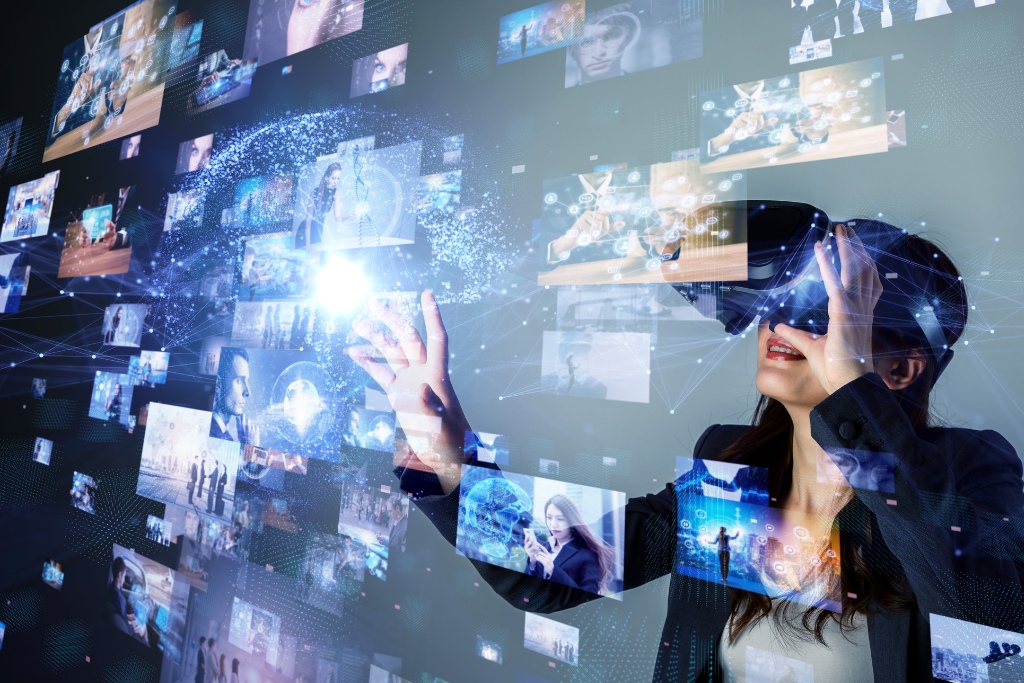
Virtual reality generates computer-simulated 3D environments that viewers immerse into by wearing a VR headset with motion sensors. This allows moving naturally through digital worlds where the content and experience changes in real-time based on the user’s movement, actions and decisions.
Unlike traditional flat screens, VR places the viewer within constantly rendered life-like environments giving the convincing illusion of actually existing inside the virtual space. This creates a visceral emotional reaction helping drive learning as well as entertaining.
Leading VR headsets like the affordable Oculus Quest 2 provide the graphics processing power and motion tracking capabilities necessary for believable immersion. Continued advancements around display resolution, computing hardware performance and haptic (touch) feedback will drive VR realism and capabilities even further in coming years.
UNDERSTANDING VR’S SUPERPOWERS FOR EDUCATION
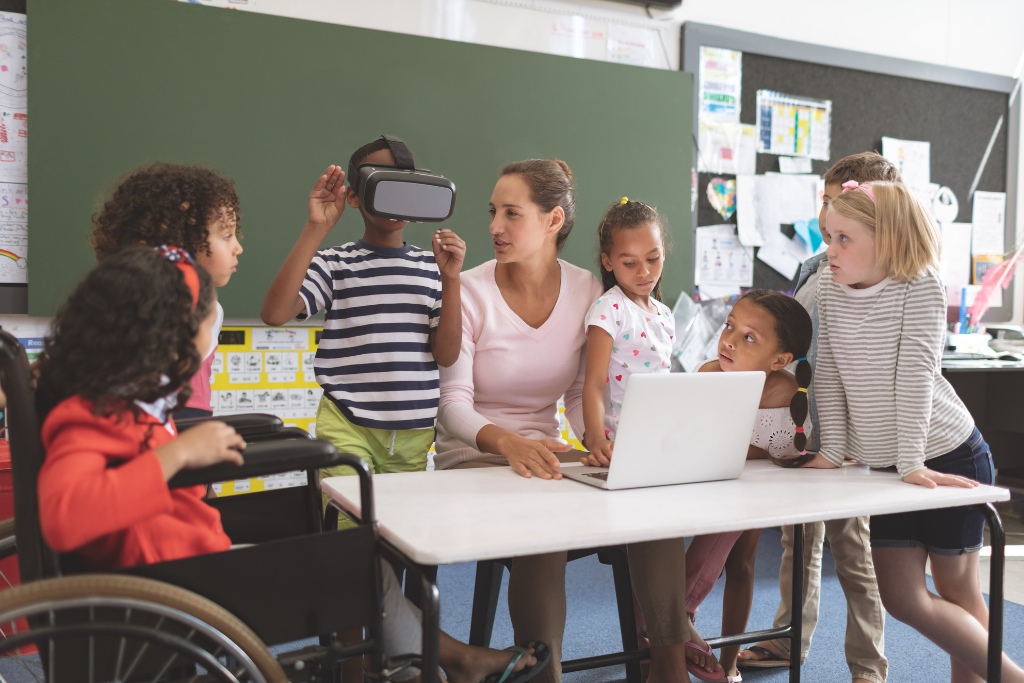
Core strengths making virtual reality well-suited for upgrading lessons include:
- Immersion – students feel transported into learning material
- Interactivity – actively engaging rather than passive watching improves recall
- Simulation – tackle real-world tasks like surgery procedures or flight training safely
- Efficiency – master complex skill-building curriculums faster through realistic modeling
Early adopters have witnessed learning improvements using VR across medical, language, art and specialized trade coursework. Practical applications also span handicrafts, engineering, therapy treatment and even experiential tourism unavailable physically.
As Victoria Lee, Head of Product Inclusion & Social Impact at meta (Facebook) explains: “When you think about how spatial computing can help someone be transported to ancient Rome or the floor of the rainforest – you’re opening up imaginations and access to places that would otherwise be restricted to only those families that could afford it. It’s about being culturally sensitive, and giving agency and access.”
PRACTICAL USE CASES ENHANCING STUDENT OUTCOMES
Real-world programs demonstrate VR effectiveness improving outcomes across proficiencies:

- Medical students gain experience through simulated interactive anatomy exhibits, lifelike surgical walkthroughs and blood flow mapping visualizations. Such technologies help condense hourlong lectures into 5-minute immersive exposures able to be repeated endlessly.
- Aspiring pilots using flight simulator VR training log certification hours and learn cockpit instrumentation through hyper-realistic modeled physics and environments. Repeat practice breeds mastery while avoided fuel costs add up significantly.
- VR field trips transport students to the International Space Station, inside active volcanoes and onto historical battlegrounds impossible to visit physically. These experiences inspire students to care more about related educational modules tied to the virtual tours.
“VR helped my disabled students speak for the first time, interact with their non-verbal peers for the first time, focus for the first time. It inspires them to move with intention for some physical therapy treatment goals.” relates Kendra Day, Assistive Technology Educator.
OVERCOMING ADOPTION HURDLES
Despite proven benefits, schools also encounter challenges deploying VR efficiently. Teachers must familiarize themselves with new reference materials and best practices guides to support students during more independent immersive sessions. Leadership buy-in, accessible spaces and technical competence prove mandatory for successful mainstream integration alongside physical environments.
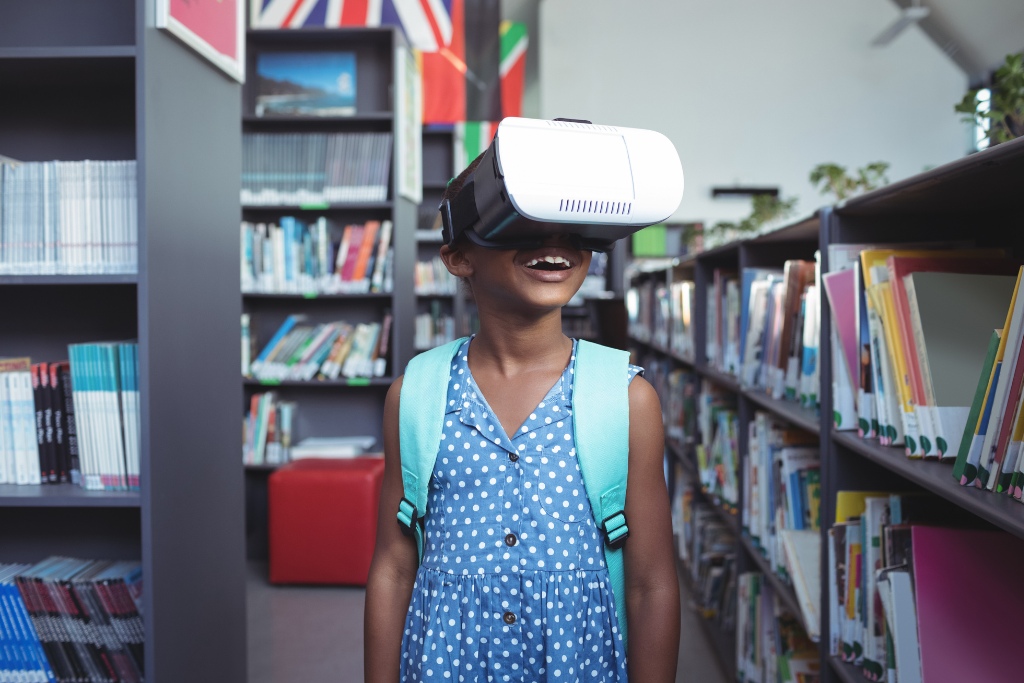
Upper Bucks High School in Pennsylvania represents one model case study, attracted by customizable VR courseware capabilities across curriculums and enthusiastic teacher response. Their administrator notes an integrated rollout helped smooth adoption, with dedicated training important so “staff is vested and interested”. Prioritizing educator feedback and feature requests to VR developers may also ease lasting utilization.
BLENDING IMMERSION WITH STRONG PEDAGOGY AND INCLUSION
While creative VR use cases will undoubtedly continue expanding learning, technologists must couple innovation with equitable access and sound educational models. Offering accessibility features, privacy protections and proactive ethics guardrails in parallel to raw capability advances keeps human impacts centered.
This ethos promises VR can make quality teaching and inspirational role models available anywhere internet access exists. Responsible development focused on real betterment over entertainment or novelty alone helps ensure massive disruptive potential also breeds positive progress.
To stay ahead of the curve in artificial intelligence subscribe to our AISAMOSA Newsletter! For a byte-sized dose of AI excellence delivered straight to your inbox!