
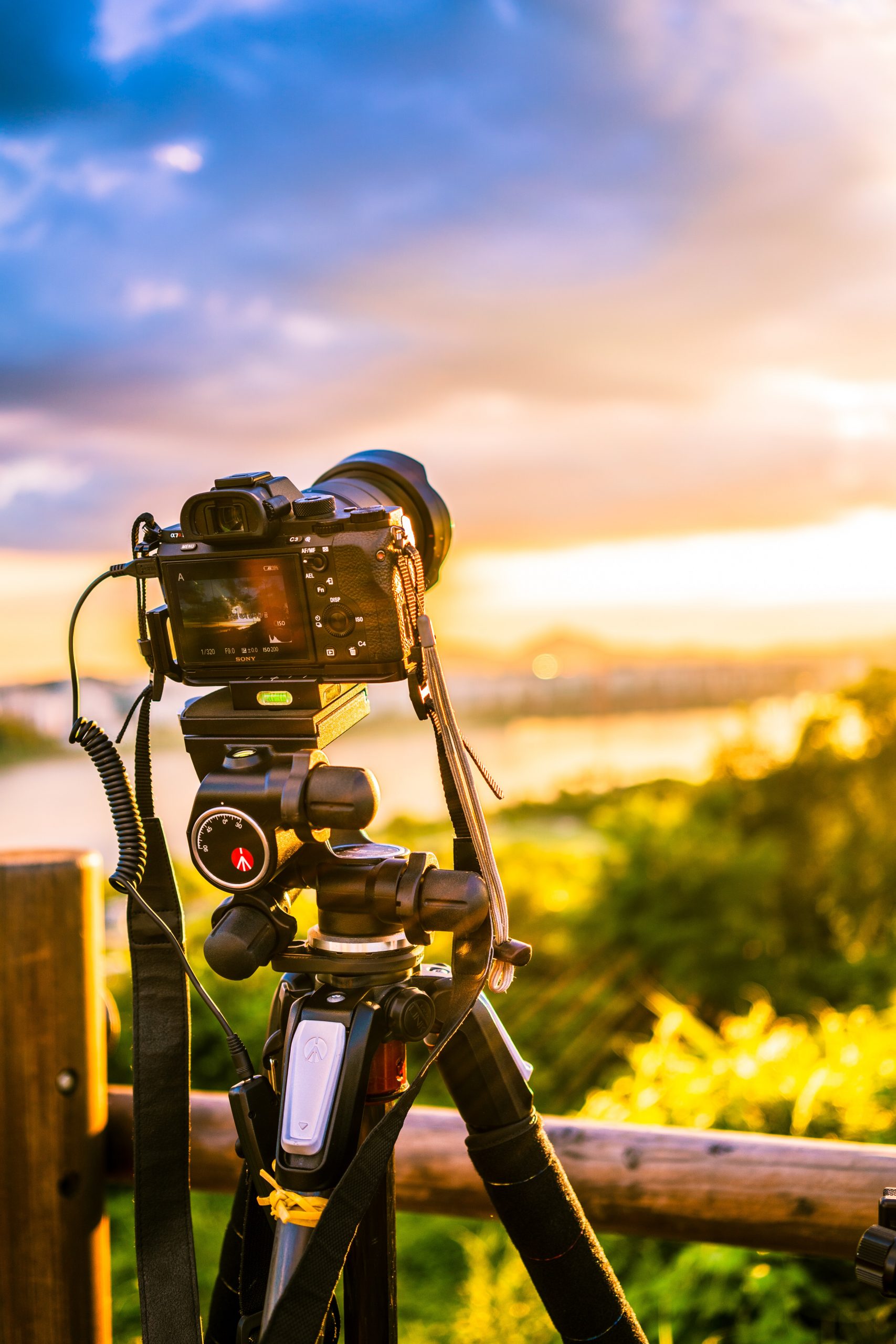
Photography is an art and a good photographer makes a simple object into a memorable photo. The knowledge of the basics of photography will improve the quality of work. Since time immemorable humans are communicating with pictures, and in today’s technology world photos are doing strong communication, even better than words. Photographs can not tell lie. They are truthful, honest and worthy.
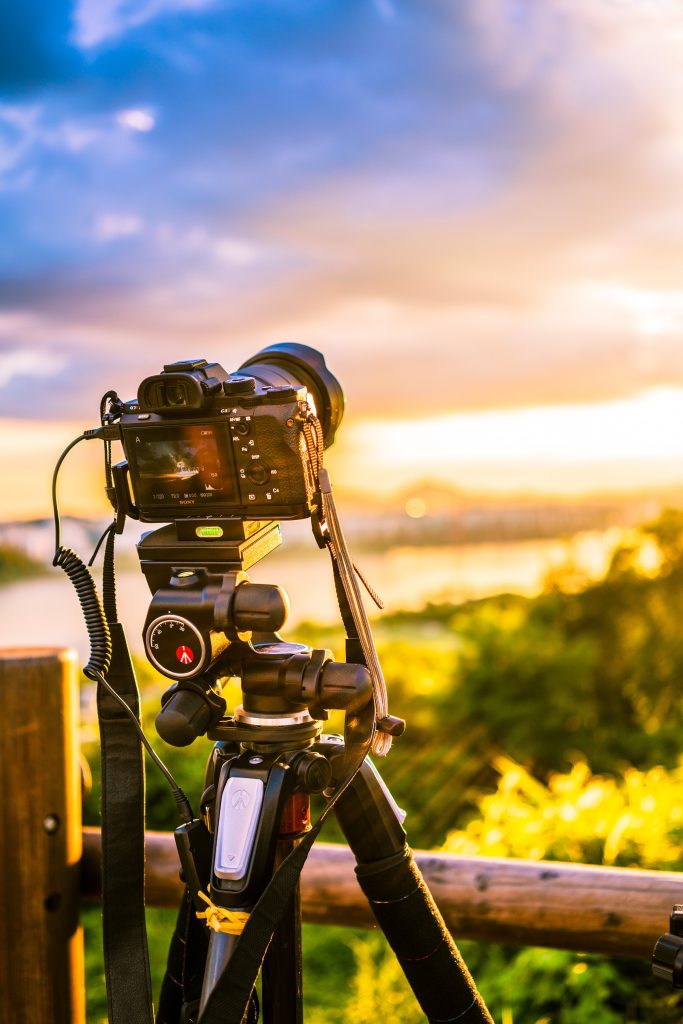
Basics of photography:
Learn ISO: In a very simple word, ISO is the sensitivity of your camera sensor.
Higher the ISO number, more sensitivity of light your camera sensor explore and lower the ISO, low the light sensitivity. Understanding the ISO setting will give you an upper hand in photography. Keep ISO low or on moderate otherwise higher the ISO will disturb the photo by putting extra grain, noise and some funky things that will overlap the image quality. In low light, you can increase the ISO but remember your image quality should not get disturbed. It also depends on camera to camera, the high-end professional camera has a high range of ISO and the professional getting advantage as per their assignments.
Once you start clicking, you will be more comfortable with ISO settings.
Aperture: Aperture is the size of an opening in your camera lens. Aperture decides how much light should reach the camera lens. The higher the aperture small the amount of light allowed to enter and the smaller the aperture more lights are allowed. The range of aperture depends on the camera you are using but usually, it starts from f 3.5. Simultaneously, the aperture also decides the depth of field. Your focus and clarity of your object will get as you like if you adjust the aperture on the right scale.
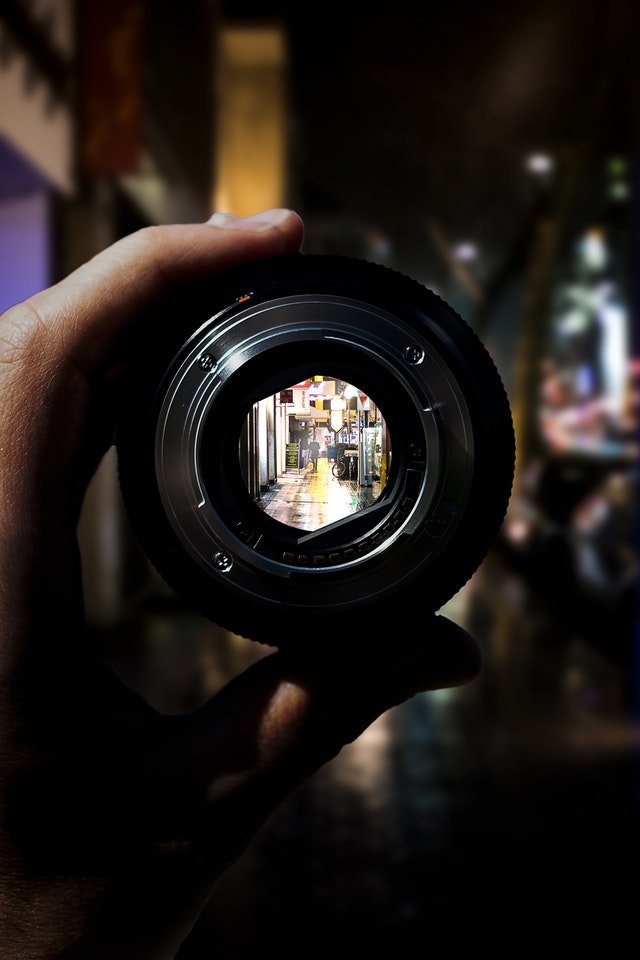
Shutter Speed: Shutter speed is the amount of time your camera’s shutter opens, it measures in seconds. The range of shutter speed depends on camera quality. Technically, shutter speed control motion blur or freezing. If your shutter speed is lower, you will get a blur motion effect in the image, and a faster shutter speed will give you more clarity in moving objects.
Understand in a sample chart
ISO APERTURE SHUTTER SPEED
MORE LIGHT MORE LIGHT MORE LIGHT
MORE NOISE LESS DEPTH OF FIELD MORE MOTION BLUR
6400 f/2.8 1/8
3200 f/4 1/15
1600 f/5.6 1/30
800 f/8 1/60
400 f/11 1/125
200 f/16 1/250
100 f/22 1/500
LESS NOISE MORE DEPTH OF FIELD LESS MOTION BLUR
LESS LIGHT LESS LIGHT LESS LIGHT
CUT OFF AUTO MODE: Usually all cameras are coming with an auto mode. Auto mode having settings according to an image, depth, light and other factors, and the camera decide itself. Users just need to focus on the object, and everything will automatically adjust accordingly. But it will not give you satisfaction, this is neither art nor professional photography. If you practice accordingly as above mentioned points and chart you will never use the auto mode option in the camera.
Summary: There is a very thin line between a general photographer and a professional photographer. Your image says everything about you. Just click and click. Your practice will make you a perfect photographer.