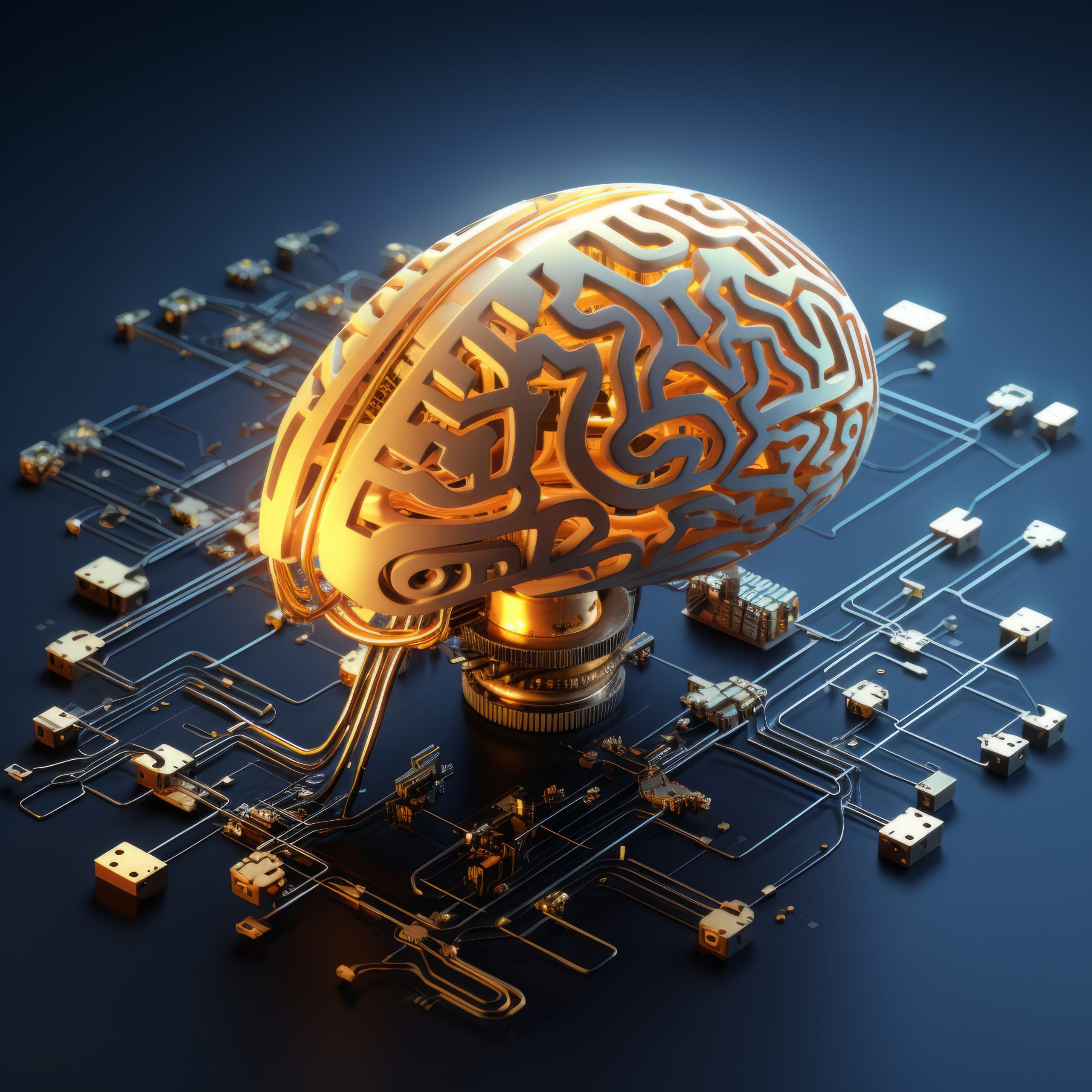
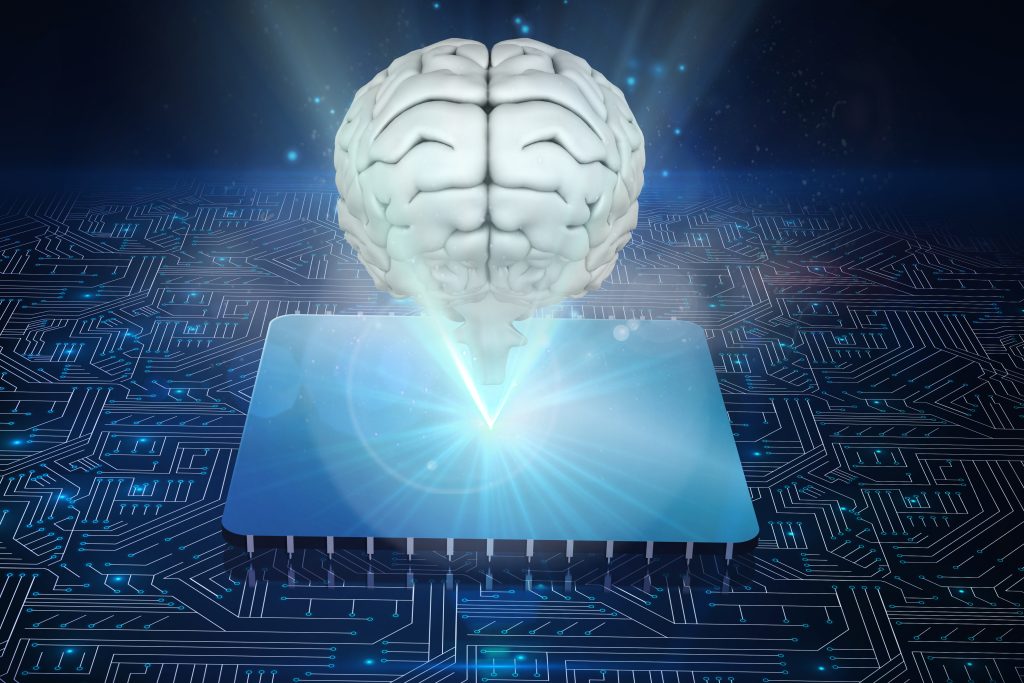
Hey there, tech enthusiasts! Today we’re diving into the fascinating world of neuromorphic computing. This cutting-edge field is pushing the boundaries of what’s possible in artificial intelligence and computer architecture. So grab your favorite beverage, settle in, and let’s explore how researchers are building computers inspired by the human brain.
The Neuromorphic Revolution
Neuromorphic computing represents a radical departure from traditional computer design. Instead of relying on the standard von Neumann architecture with separate processing and memory units, neuromorphic systems take their cues from neurobiology. They aim to mimic the structure and function of biological neural networks, with the goal of achieving brain-like cognitive capabilities and energy efficiency.
At its core, neuromorphic computing uses artificial neurons and synapses implemented in hardware. These components communicate via spikes or pulses, similar to how neurons fire in our brains. This event-driven, asynchronous approach allows for massive parallelism and potentially dramatic improvements in power efficiency compared to conventional computers.
The Building Blocks of Neuromorphic Systems
Let’s break down some of the key elements that make neuromorphic computing unique:
Spiking Neural Networks (SNNs): The fundamental computational model in most neuromorphic systems. SNNs process information through discrete spikes rather than continuous values.
Artificial Neurons: Hardware implementations that integrate incoming signals and generate output spikes when a threshold is reached.
Synapses: Connections between neurons that can be strengthened or weakened, enabling learning and adaptation.
Neuroplasticity: The ability of the system to modify its structure and function in response to input, similar to how our brains rewire themselves.
Massively Parallel Architecture: Neuromorphic chips can contain millions of neurons operating in parallel.
Analog/Digital Hybrid Designs: Many neuromorphic systems combine analog computation with digital communication for improved efficiency.
Neuromorphic Computing in Action
Now that we’ve covered the basics, let’s look at some exciting neuromorphic projects and their potential applications:
Intel’s Loihi: This neuromorphic research chip boasts 130,000 neurons and 130 million synapses. It’s been used for tasks like gesture recognition, odor identification, and autonomous drone control.
IBM’s TrueNorth: Another major player in the neuromorphic space, TrueNorth chips have been applied to computer vision tasks and can process sensory data in real-time with incredibly low power consumption.
BrainScaleS: This European project aims to create neuromorphic hardware that operates at accelerated timescales compared to biological brains, enabling rapid simulation of neural processes.
SpiNNaker: Short for Spiking Neural Network Architecture, this massively parallel neuromorphic supercomputer is designed to model large-scale brain networks.
Challenges in Neuromorphic Computing
While the potential of neuromorphic computing is immense, there are still significant hurdles to overcome:
Algorithm Development: Traditional machine learning algorithms often don’t translate directly to spiking neural networks. New training methods and computational paradigms are needed.
Hardware Limitations: Implementing large-scale neuromorphic systems with current manufacturing techniques is challenging and expensive.
Scalability: Connecting and coordinating millions or billions of artificial neurons remains a complex engineering problem.
Benchmarking: It’s difficult to directly compare neuromorphic systems to traditional computers, as they excel at different types of tasks.
Programming Models: Developers need new tools and frameworks to effectively harness the power of neuromorphic hardware.
The Future of Neuromorphic Computing
Despite these challenges, the future looks bright for neuromorphic computing. Here are some areas where we might see significant impact:
Edge AI: Neuromorphic chips could enable powerful AI capabilities on low-power devices, revolutionizing the Internet of Things and mobile computing.
Robotics: Brain-inspired computing could lead to more adaptable and energy-efficient robots capable of operating in complex, dynamic environments.
Scientific Simulation: Neuromorphic systems might accelerate our understanding of brain function and help model complex biological processes.
Natural Language Processing: The temporal dynamics of spiking neural networks could improve language understanding and generation tasks.
Autonomous Vehicles:Real-time processing of sensory data with low latency and power consumption is crucial for self-driving cars.
Neuromorphic Computing and AGI
One of the most tantalizing prospects of neuromorphic computing is its potential contribution to artificial general intelligence (AGI). By more closely mimicking the architecture and principles of biological brains, neuromorphic systems might help bridge the gap between narrow AI and human-level cognitive capabilities.
However, it’s important to note that simply replicating the structure of the brain doesn’t guarantee human-like intelligence. We still have much to learn about how cognition emerges from neural activity. Neuromorphic computing provides a valuable platform for exploring these questions, but achieving AGI will likely require breakthroughs in neuroscience, computer science, and philosophy.
Ethical Considerations
As neuromorphic computing advances, we must grapple with important ethical questions:
Consciousness: Could sufficiently advanced neuromorphic systems develop sentience or self-awareness?
Privacy: How do we protect personal data processed by brain-inspired computers that might operate more like human minds?
Job Displacement: Will neuromorphic AI accelerate automation and impact employment in new ways?
Bias: How can we ensure fairness and prevent discriminatory outcomes in neuromorphic systems?
Security: What new vulnerabilities might arise from computers that learn and adapt like biological systems?
Conclusion
Neuromorphic computing represents a bold reimagining of computer architecture, drawing inspiration from the most impressive information processing system we know: the human brain. While still in its early stages, this field has the potential to revolutionize artificial intelligence, scientific computing, and our understanding of cognition itself.
As researchers continue to push the boundaries of neuromorphic hardware and software, we can expect to see increasingly sophisticated brain-inspired systems tackling complex real-world problems. The journey from biological neurons to silicon synapses is just beginning, and the possibilities are truly mind-boggling.
So, what do you think about the future of neuromorphic computing? Are you excited about the potential applications, or concerned about the ethical implications? Let me know in the comments below, and let’s keep the conversation going!
Until next time, keep your neurons firing and your curiosity sparking!