Ethical AI is a topic that’s hotter than a overclocked GPU, and trust me, you’ll want to stick around for this deep dive into the digital ethics rabbit hole.
The Rise of Ethical AI: More Than Just Ones and Zeros
Let’s face it, folks – artificial intelligence is no longer the stuff of science fiction. It’s here, it’s real, and it’s growing faster than you can say “machine learning algorithm.” But as we hurtle towards a future where AI is as ubiquitous as smartphones, we’re faced with a critical question: How do we ensure that these silicon-brained wonders don’t go all Skynet on us?
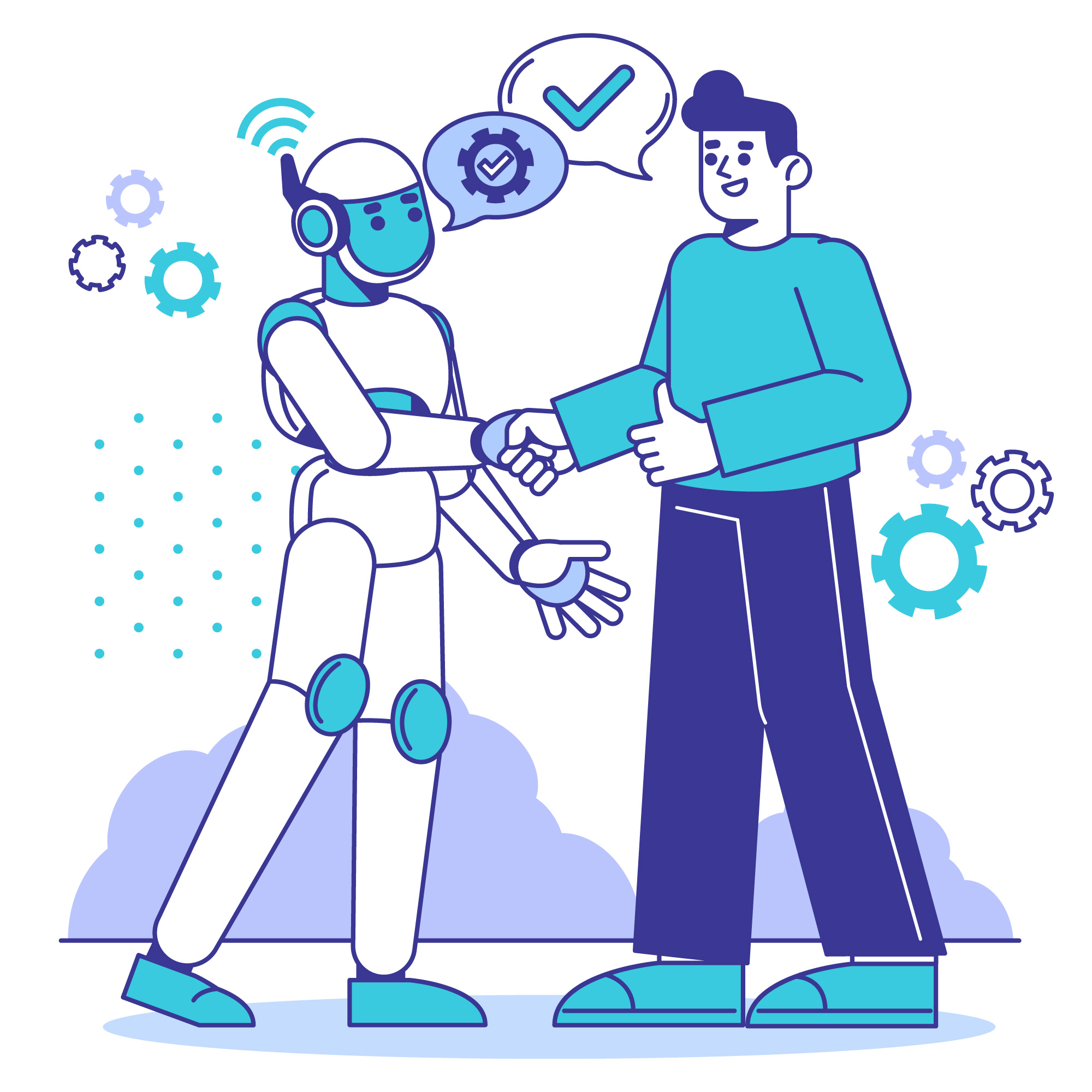
Enter ethical AI, the superhero we need in this digital age. It’s not just about making sure our AI assistants don’t sass us back (although that would be nice). Ethical AI is about creating intelligent systems that align with human values, respect our rights, and don’t accidentally (or intentionally) cause harm.
According to a 2021 survey by Deloitte, 73% of executives reported that their organizations have taken steps to manage AI ethics risks. But here’s the kicker – only 24% said they have a comprehensive AI ethics framework in place. Houston, we have a problem!
Ethical AI in Action: Not Just a Buzzword
Now, you might be thinking, “Sure, ethical AI sounds great, but what does it actually look like in practice?” Great question, hypothetical reader! Let’s break it down with some real-world examples.
Fairness in Facial Recognition: The Case of Ethical AI in Law Enforcement
Imagine a world where your face could get you arrested – and not just because you forgot to shave. Facial recognition technology has been a hot-button issue in the ethical AI debate, especially when it comes to law enforcement.
A study by the National Institute of Standards and Technology (NIST) found that many facial recognition algorithms had higher error rates for people of color and women. Yikes! That’s a textbook example of algorithmic bias, and it’s exactly the kind of issue ethical AI aims to address.
Some companies are taking this challenge head-on. For instance, IBM announced in 2020 that it would no longer offer general-purpose facial recognition software, citing concerns about mass surveillance and racial profiling. Now that’s what I call putting your money where your ethical mouth is!
Transparency in AI: Shining a Light on the Black Box
Another key aspect of ethical AI is transparency. We’re not talking about see-through robots here (although that would be pretty cool). We’re talking about understanding how AI systems make decisions.
Take the healthcare industry, for example. AI is increasingly being used to assist in diagnoses and treatment recommendations. But what happens when an AI suggests a course of treatment that doesn’t make sense to the human doctor? That’s where explainable AI comes in – a subset of ethical AI that focuses on making AI decision-making processes understandable to humans.
A 2020 study published in Nature Machine Intelligence found that explainable AI in healthcare could significantly improve doctors’ trust in AI systems and lead to better patient outcomes. Now that’s what I call a win-win!
Privacy and Ethical AI: Keeping Your Data on Lockdown
In this age of data breaches and digital oversharing, privacy has become a hot commodity. Ethical AI has a crucial role to play in ensuring that our personal information doesn’t become fodder for the digital masses.
According to a 2021 report by Cisco, 86% of consumers care about data privacy and want more control over their data. Ethical AI frameworks can help address these concerns by implementing principles like data minimization (only collecting the data you actually need) and purpose limitation (only using data for its intended purpose).
Companies like Apple have made privacy a key selling point, implementing features like on-device processing for Siri to minimize data transmission. It’s not just good ethics – it’s good business!
The Ethical AI Update: What’s New in the World of Digital Ethics?
Alright, time for a quick update on what’s been happening in the ethical AI space lately. Grab your popcorn, folks, because things are moving faster than a neural network on a supercomputer!
In recent months, we’ve seen a surge in regulatory efforts around AI ethics. The European Union has been leading the charge with its proposed AI Act, which aims to create a comprehensive framework for ethical AI development and deployment. Meanwhile, in the U.S., several states have passed laws regulating the use of AI in hiring decisions.
On the corporate front, tech giants like Google, Microsoft, and OpenAI have been doubling down on their ethical AI initiatives. We’re seeing more investment in research, the establishment of ethics advisory boards, and the integration of ethical considerations into AI development processes.
But perhaps the most exciting development is the growing focus on “AI for good” initiatives. From using AI to combat climate change to developing assistive technologies for people with disabilities, we’re seeing more and more examples of how ethical AI can be a force for positive change in the world.
The Challenges of Implementing Ethical AI: It’s Complicated, Folks
Now, before you go thinking that ethical AI is all rainbows and unicorns, let’s get real for a moment. Implementing ethical AI is about as easy as teaching a cat to fetch – possible, but not without its challenges.
Defining Ethics in a Digital World: The Philosophical Conundrum
First up, we’ve got the mother of all challenges – defining what we mean by “ethical” in the context of AI. It turns out that ethics, much like your favorite pizza topping, can be pretty subjective.
Take the classic trolley problem, for instance. You know, the one where you have to decide whether to divert a runaway trolley to kill one person instead of five? Now imagine programming an autonomous vehicle to make that kind of decision in a split second. Fun times, right?
According to a 2018 study published in Nature, people’s moral preferences for autonomous vehicle behavior varied significantly across countries and cultures. So how do we create ethical AI systems that can navigate these complex moral landscapes? It’s a question that keeps ethicists and AI researchers up at night (and provides endless material for philosophical debates over coffee).

The Bias Boogeyman: Ethical AI’s Arch-Nemesis
Next on our list of ethical AI challenges is the ever-present specter of bias. Like that one relative who always brings up politics at Thanksgiving dinner, bias has a way of creeping into places where it’s not welcome – including our AI systems.
A 2019 study by the AI Now Institute found that 80% of AI professors are men, and only 15% of AI researchers at Facebook and 10% at Google are women. This lack of diversity in the AI field can lead to biased systems that perpetuate existing inequalities.
Combating bias in AI is like playing whack-a-mole with a supercomputer. Just when you think you’ve squashed one form of bias, another pops up. It’s a constant battle, but one that ethical AI practitioners are committed to fighting.
The Ethical AI Talent Crunch: Wanted – Digital Ethicists
Here’s a fun fact for you: According to a 2020 report by Element AI, there are only about 22,000 PhD-educated researchers in AI worldwide. Now, how many of those do you think are also experts in ethics? I’ll wait while you do the math…
The shortage of professionals with expertise in both AI and ethics is a major hurdle in the implementation of ethical AI. It’s not enough to have brilliant engineers who can create cutting-edge AI systems. We also need people who can ask the tough questions about the ethical implications of these technologies.
Universities are starting to catch on, with more institutions offering courses and degrees in AI ethics. But we’re still playing catch-up in this rapidly evolving field.
The Future of Ethical AI: Crystal Ball Not Included
So, what does the future hold for ethical AI? If I knew that, I’d be buying lottery tickets instead of writing blog posts. But let’s dust off our crystal ball and make some educated guesses, shall we?
Ethical AI Goes Mainstream: Coming Soon to a Device Near You
As AI becomes more pervasive in our daily lives, expect to see ethical considerations becoming a standard part of AI development and deployment. We’re already seeing this trend with initiatives like Google’s “AI Principles” and Microsoft’s “Responsible AI Standard.”
According to a 2021 report by Gartner, by 2023, all personnel hired for AI development and training work will have to demonstrate expertise in responsible AI. So if you’re thinking about a career in AI, you might want to brush up on your ethics!
Regulation Station: All Aboard the Ethical AI Express
Get ready for a wave of AI regulations coming your way. As governments and international bodies grapple with the implications of AI, we’re likely to see more comprehensive frameworks for ethical AI development and deployment.
The EU’s proposed AI Act is just the beginning. Expect to see more countries following suit, creating a complex regulatory landscape that AI developers will need to navigate.
AI for All: Democratizing Ethical AI
One exciting trend to watch is the democratization of ethical AI. As tools and frameworks for ethical AI become more accessible, we could see a rise in grassroots initiatives and community-driven projects focused on developing AI for social good.
Imagine a world where local communities can develop AI solutions tailored to their specific needs, all while adhering to ethical principles. It’s a future that’s within reach, thanks to the growing focus on ethical AI.
Wrapping Up: The Ethical AI Journey Continues
Phew! We’ve covered a lot of ground in our ethical AI adventure, from the basics of what it means to create AI systems with a moral compass, to the challenges of implementing these principles in the real world.
As we’ve seen, ethical AI isn’t just a nice-to-have – it’s a crucial component of our AI-powered future. It’s about creating intelligent systems that not only make our lives easier but also uphold our values and protect our rights.
But here’s the thing – the journey towards truly ethical AI is far from over. It’s a constantly evolving field, full of complex challenges and exciting opportunities. As AI continues to advance at breakneck speed, the need for ethical considerations will only grow.
So, whether you’re an AI developer, a policymaker, or just someone who’s curious about the future of technology, I encourage you to stay engaged with the ethical AI conversation. After all, the future we’re creating is one we’ll all have to live in.
And who knows? Maybe one day, we’ll have AI assistants that not only understand our commands but also our values. Until then, keep questioning, keep learning, and keep pushing for AI that’s not just smart, but also ethical. The future of AI is in our hands – let’s make it a good one!