
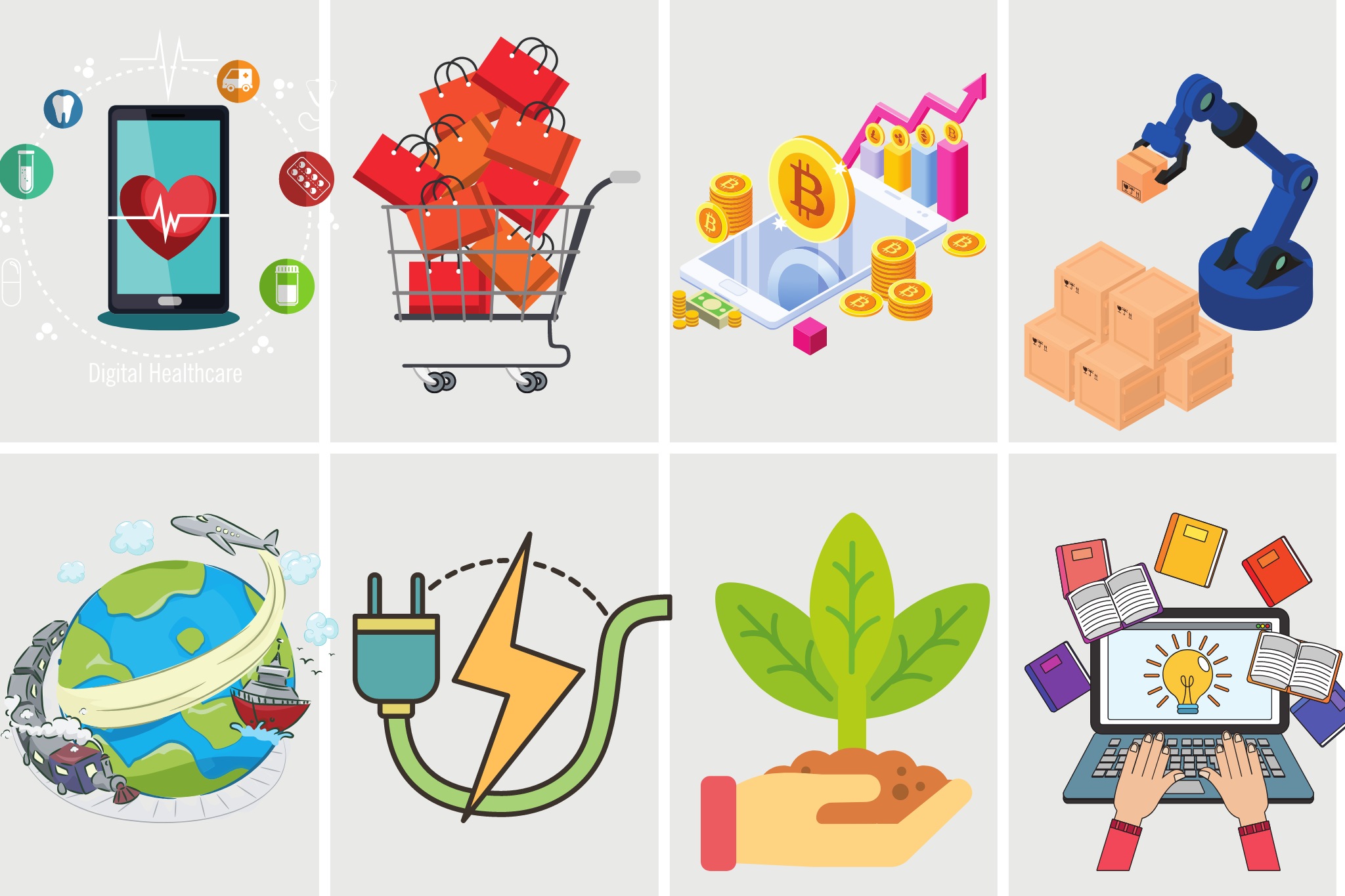
Artificial Intelligence (AI) has had a profound impact on various industries, transforming the way businesses operate, improving efficiency, and creating new opportunities. Here’s a comprehensive analysis of Artificial Intelligence’s impact on some key industries:
1. Artificial Intelligence in Healthcare:
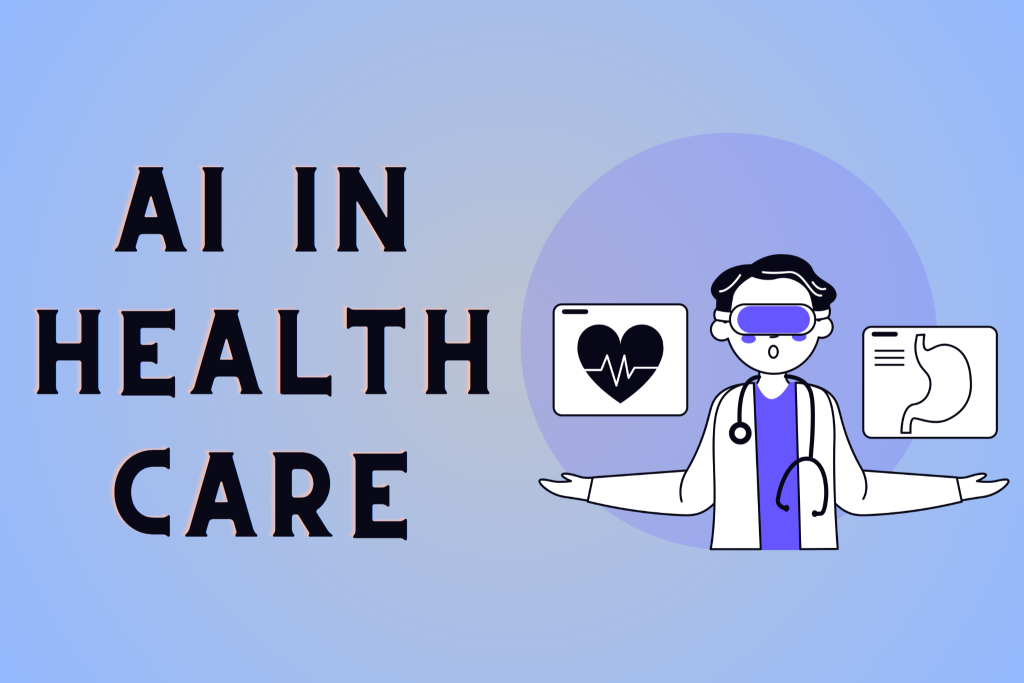
– Diagnosis and Treatment: AI algorithms can analyze medical images (like X-rays, MRIs) for early disease detection and assist radiologists in diagnosing conditions.
– Drug Discovery: AI accelerates drug discovery by analyzing massive datasets to identify potential drug candidates and predict their effects.
Personalized Medicine: AI analyzes patient data to tailor treatments and medications for individual needs, leading to more effective and targeted therapies.
2. Finance:

– Algorithmic Trading: AI-powered trading algorithms analyze market trends and execute trades with high speed and accuracy.
– Risk Assessment: AI models evaluate credit risk, detect fraudulent activities, and predict market fluctuations.
Customer Service: Chatbots and virtual assistants provide instant customer support, automate routine tasks, and handle inquiries.
3. Retail:
– Demand Forecasting: AI analyzes consumer behaviour and historical data to predict demand, optimizing inventory management.
– Personalized Marketing: AI uses consumer data to tailor marketing campaigns and recommendations, enhancing customer engagement.
– Supply Chain Management: AI optimizes logistics, route planning, and inventory distribution, reducing costs and improving efficiency.
Artificial Intelligence generated advertisement
Through the use of generative AI in the creation of its most recent advertising campaign, Coca-Cola has joined the field of technology. The business unveiled the Masterpiece programme, which uses cutting-edge artificial intelligence and has attracted considerable attention. The creative commercial smoothly combines numerous art genres as it follows the journey of a Coca-Cola bottle through famous historical artworks. Coca-Cola created a breathtaking advertisement with the help of the VFX team at Electric Theatre Collective and the creative agency Blitzworks that effortlessly switches between live-action scenarios, digital effects, and AI-generated content.
This intriguing commercial features modern artists like Aket, Vikram Kushwah, Stefania Tejada, and Fatma Ramadan alongside legendary artists like Utagawa Hiroshige, J.M.W. Turner, and Vincent Van Gogh.
Coca-Cola announced the collaboration with OpenAI’s DALL-E2 model and ChatGPT for marketing initiatives, marking the first time Bain has worked with OpenAI since their recent engagement. The Coca-Cola bottle’s thrilling trip through famous artworks is the focus of the Masterpiece advertising campaign, which concludes with its delivery to a thirsty student in need of motivation. The development of this complex and engrossing ad involved the talents of Electric Theatre Collective and Blitzworks, as well as live-action footage, digital improvements, and AI.
4. Manufacturing:
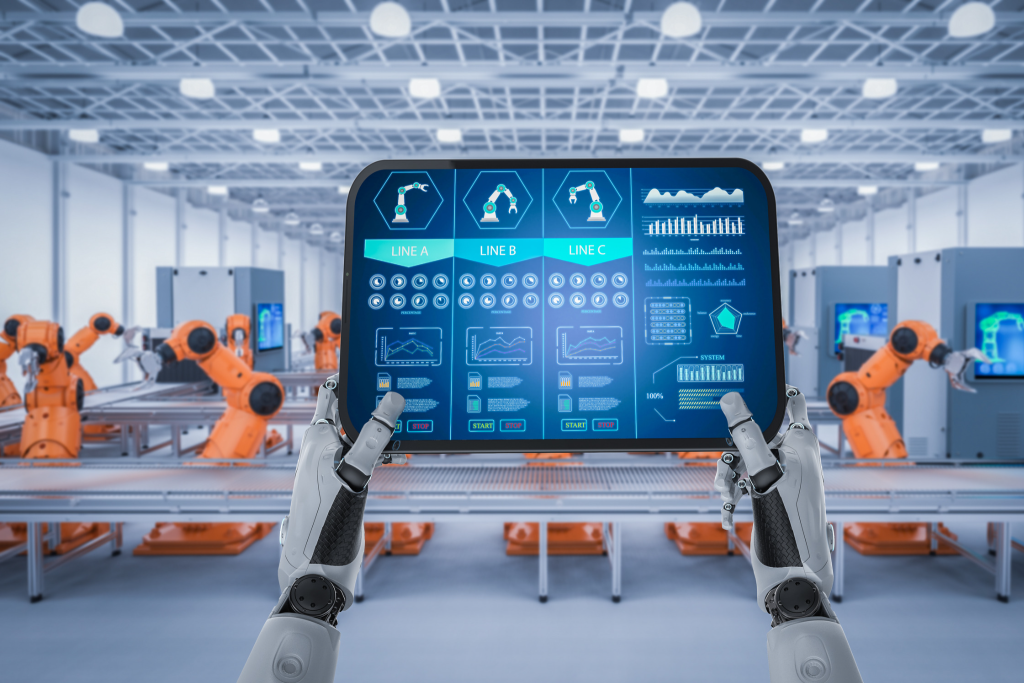
– Predictive Maintenance: AI monitors machinery health and predicts maintenance needs, reducing downtime and operational costs.
– Quality Control: AI-powered image analysis ensures product quality by identifying defects and anomalies in real time.
– Process Automation: Robots and AI-driven systems automate repetitive tasks, enhancing production speed and consistency.
5. Transportation:
– Autonomous Vehicles: AI enables self-driving cars and trucks, potentially improving road safety and revolutionizing transportation.
– Traffic Management: AI optimizes traffic flow, reduces congestion, and improves transportation infrastructure efficiency.
– Route Planning: AI-powered navigation systems provide real-time traffic information and optimal route suggestions.
6. Energy:
– Smart Grids: AI optimizes energy distribution, predicts energy consumption, and manages renewable energy sources.
– Energy Efficiency: AI analyzes data from sensors to identify areas for energy conservation and optimize energy usage.
– Exploration and Production: AI aids in seismic analysis, reservoir modelling, and drilling optimization in the oil and gas industry.
7. Agriculture:
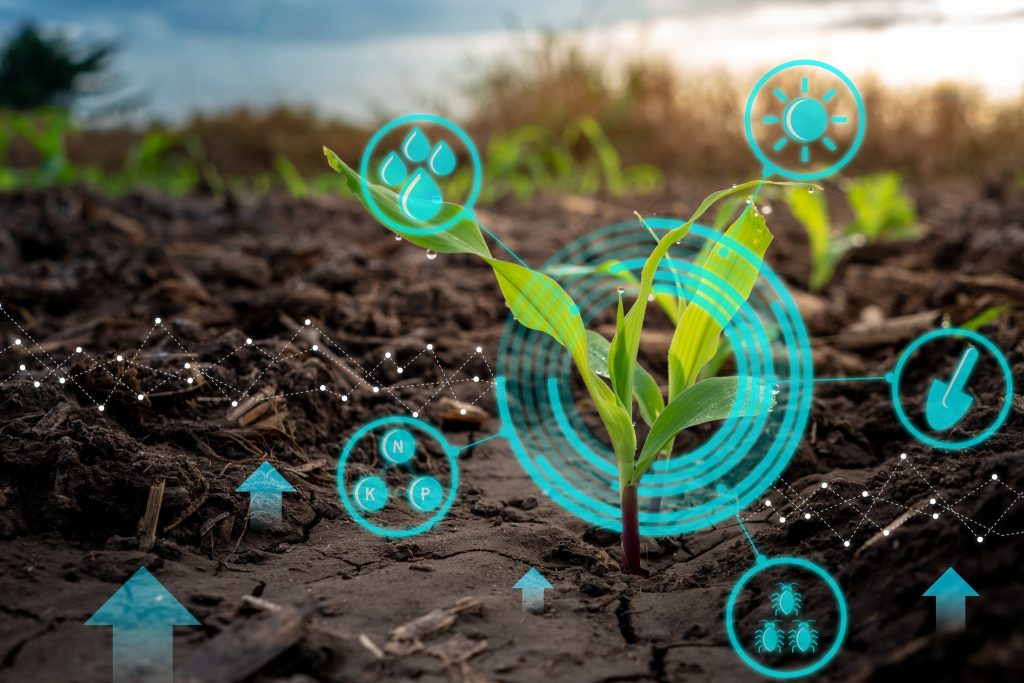
– Precision Farming: AI analyzes data from sensors, drones, and satellites to optimize crop planting, irrigation, and pesticide use.
– Crop Disease Detection: AI identifies plant diseases and pests early, allowing for targeted interventions and reduced crop loss.
– Harvesting Automation: Robots equipped with AI can automate harvesting and labour-intensive tasks.
8. Education:
– Personalized Learning: AI adapts educational content to individual student’s learning styles and paces.
– Automated Grading: AI assesses assignments and provides instant feedback, saving educators time.
– Language Translation: AI-powered tools assist in language learning and enable real-time translation.
While AI brings numerous benefits, there are also challenges such as ethical concerns, job displacement, data privacy, and bias. A comprehensive analysis of AI’s impact must consider these factors alongside the potential advantages it offers to various industries.