
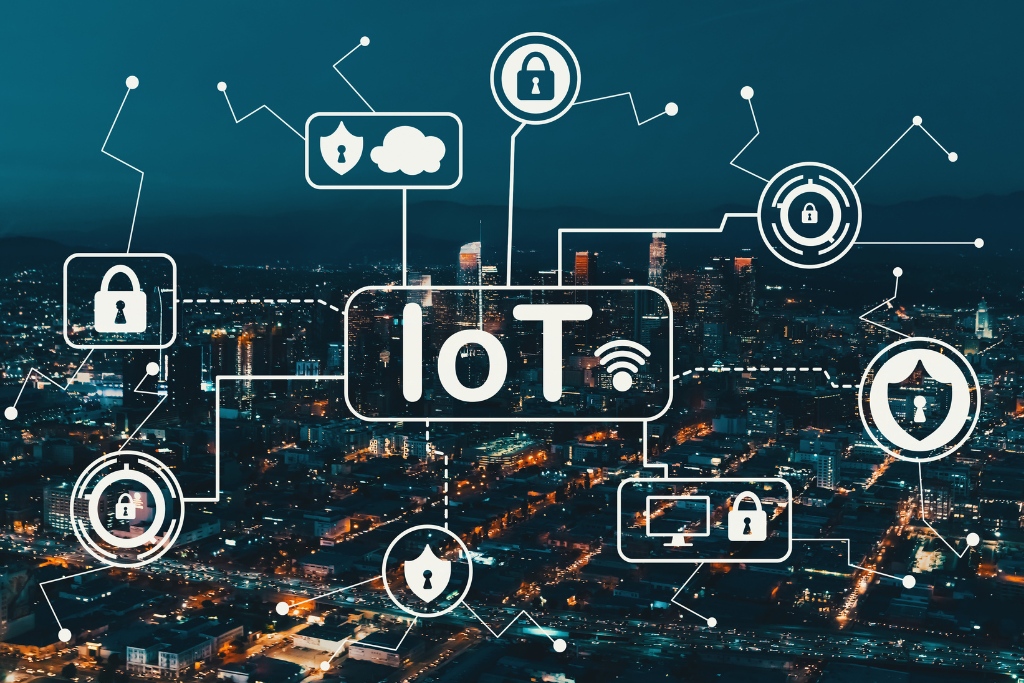
The integration of internet connectivity into vehicles, appliances, infrastructure and even clothing heralds the next era of the internet age – the Internet of Things (IoT). As sensors, processors and wireless access get embedded into a growing array of physical objects, they transform into “smart” devices, collecting and transmitting data while being managed remotely via apps and websites. With analysts forecasting over 30 billion IoT devices to be deployed globally by 2025, understanding this transformation is critical.
The Internet of Things is fundamentally altering how individuals, businesses and governments operate through a wave of disruptive technological change sweeping across industries. IoT innovation offers immense promise to address major societal challenges like resource efficiency, mobility and healthcare access but also poses new cybersecurity, privacy and technical skill requirements still being worked through.
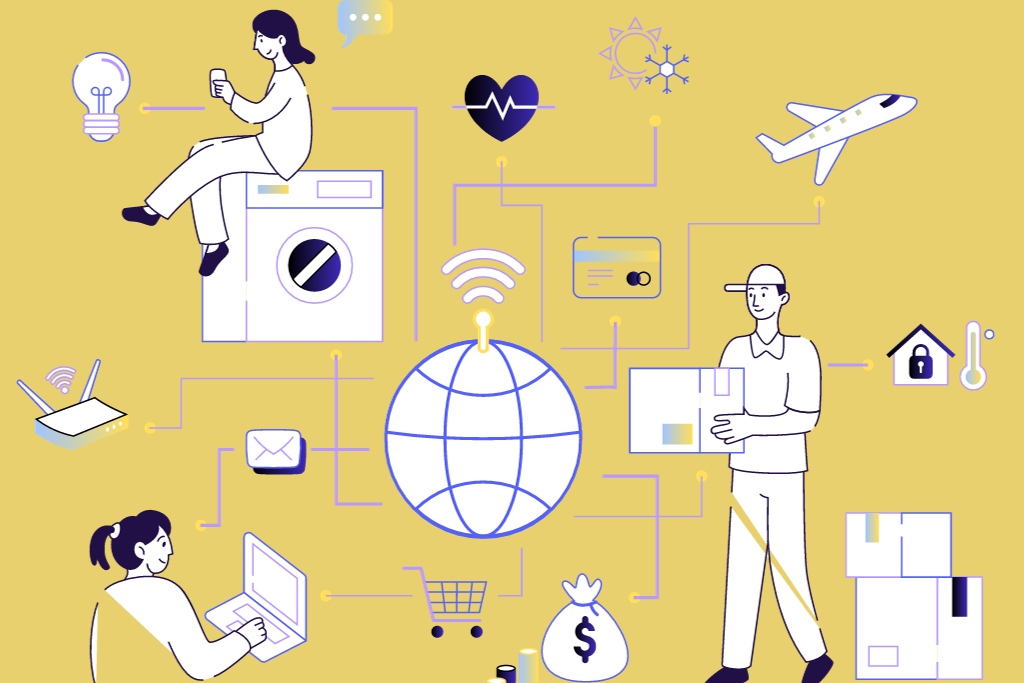
Those leading the charge into the IoT revolution stand to reap outsized benefits. Companies across manufacturing, retail, oil/gas and transportation sectors using IoT to optimize supply chains and infrastructure are already realizing substantial cost reductions. Tech giants, industrial manufacturers and startups racing to deliver the next generation of smart gadgets and tools seem positioned to profit immensely as consumer IoT spending grows. However, laggards risk losing ground to new digitally-savvy market entrants.
What exactly constitutes this Internet of Things, what is driving its growth and how will it reshape society?
WHAT IS THE INTERNET OF THINGS?
The Internet of Things refers to the combination of physical components like sensors, processors and communication hardware with internet connectivity to collect and exchange data. These “smart” IoT devices integrate sensing, processing and network capabilities to unlock novel functionality.
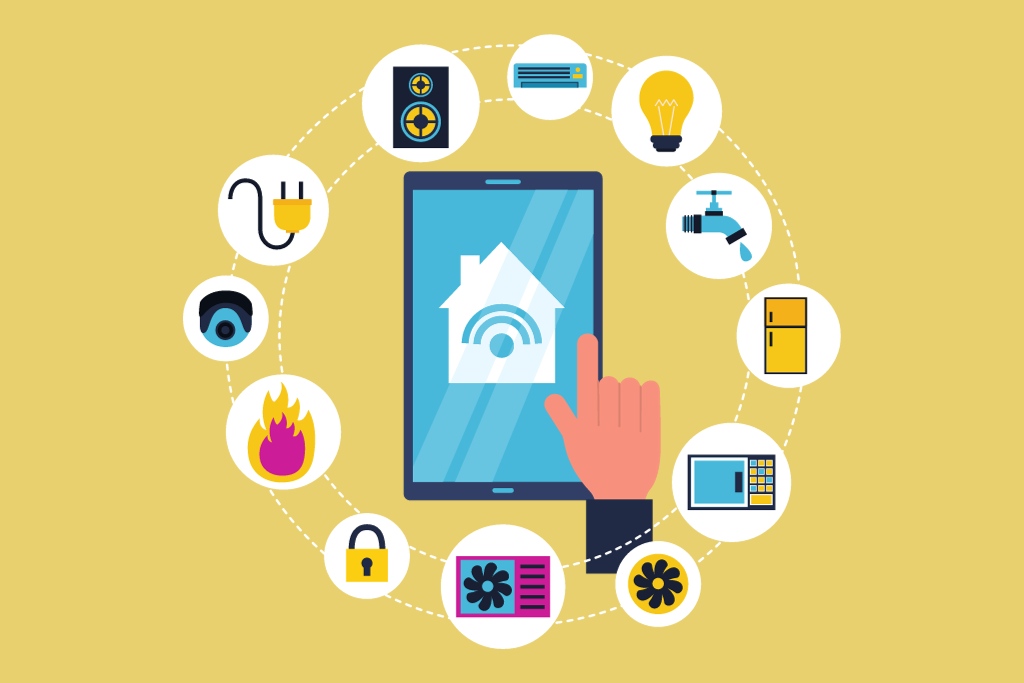
Connected thermostats learn household heating/cooling preferences over time, adjust automatically and can be controlled remotely via smartphones. Smart utility meters transmit real-time usage data to providers to track demand and even predict outages faster. Autonomous vehicles use various sensors and AI to perceive surroundings on the road and navigate without human input.
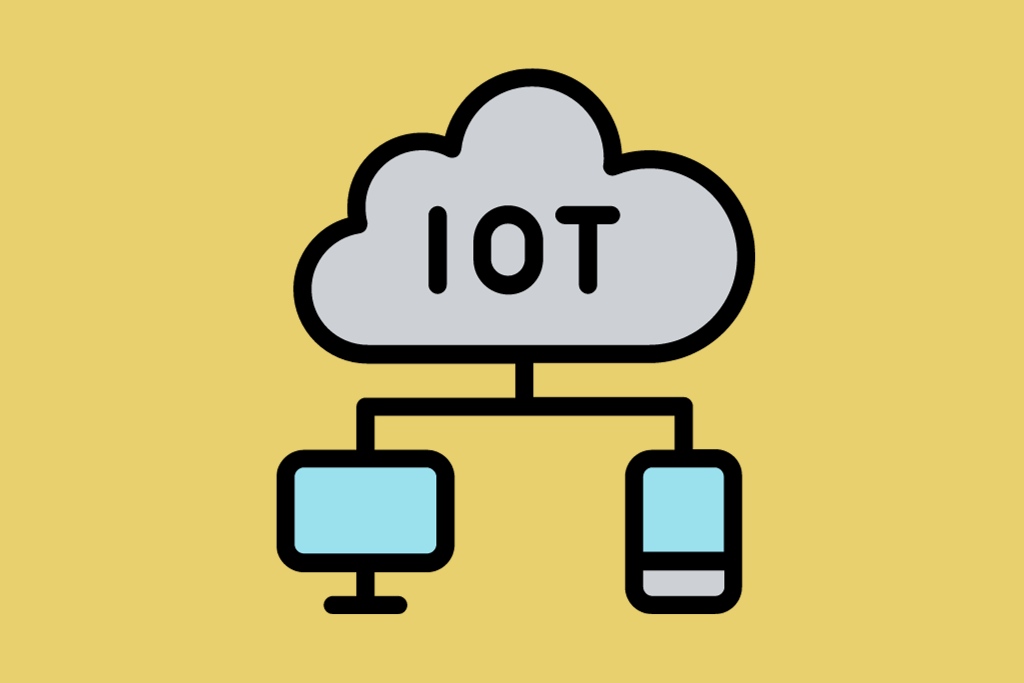
Industrial IoT solutions also employ sensors and software to monitor factory equipment performance, optimize manufacturing or track supply trucks. Smart cities weave IoT devices throughout infrastructure like roadways, power grids and water systems to better manage resources.
The essence of the IoT concept revolves around extending internet connectivity beyond standard devices like computers and phones into machines, appliances, clothing and more to transform functionality. Every physical component outfitted with sensors and internet access to share data becomes part of the burgeoning IoT ecosystem.
KEY DRIVERS ACCELERATING IoT ADOPTION
Several interlinked factors are fueling surging IoT adoption including:
- Declining Sensor + Connectivity Costs
- Increasing Cloud Computing Power
- Rise of AI and Machine Learning
- Expanding 5G Network Reach
- Tech Miniaturization Advancements
As costs drop for microchips, processing and wireless bandwidth gets faster and networks expand, embedding internet connectivity into an exponentially wider array of objects becomes viable. Combining this connectivity with AI algorithms and cloud computing power unlocks game-changing functionality upgrades through software adjustments alone sans additional hardware.
These drivers working in tandem will hasten IoT integration over the next decade into not just high ticket items like vehicles but also traditionally “dumb” products like farming equipment, food shipping containers and hospital beds on a mass scale.
TRANSFORMING INDUSTRIES, SOCIETIES AND OURSELVES
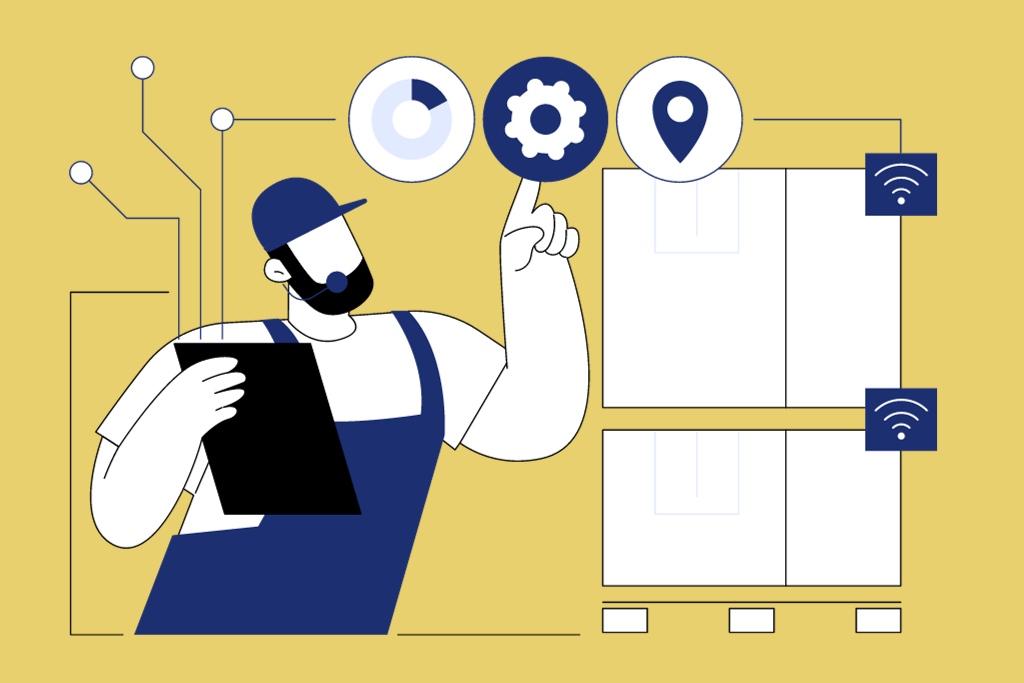
The rise of the Internet of Things will fundamentally reshape industries, improve human welfare and alter how we engage with nearly all physical environments over the next decade.
IoT implementation in supply chain visibility and inventory oversight promises over $500 billion in global value. Smart power grids and infrastructure could deliver over $700 billion in operational efficiencies plus environmental gains. These multi-billion dollar projections barely scratch the surface of disruptive shifts coming.
At the extreme, IoT integration progresses civilization toward cyber-physical convergence where the digital and physical worlds merge more into augmented environments responsive to human preference. Drones may one day deliver custom medications on demand based on biometric wearables data. Autonomous electric vehicles fluidly coordinate trips logged into personal AI assistants mapped against smart city traffic flow. Voice commands to ever-present ambient home systems set environmental conditions and entertainment options to our liking.
However, the risks around security vulnerabilities, skill gaps and technical complexity arising from billions of interconnected devices must be addressed by lawmakers, companies and societies proactively rather than reactively. The consultants at McKinsey recommend embracing high transparency design principles, ensuring rigorous access protocols across hardware and investing heavily into personnel with critical digital skillsets.
Consumer trust also remains vital as internet-enabled sensors expand into homes, vehicles and cities. Promoting strong cyber security and data privacy measures continues proving essential to easing end-user adoption. Furthermore, accessible user interfaces, proactive customer education and responsive user support programs can smooth mainstream embrace of embedded IoT products.
THE IOT REVOLUTION IS ARRIVING
The Internet of Things movement promises a momentous shakeup driving sweeping digital transformation across nearly every market sector over the next decade. Early movers are already harnessing smart devices to cut costs, heighten consumer appeal and gain competitive separation. Yet for most industries, the IoT revolution still remains in its infancy promising immeasurable opportunities for innovation to develop smarter, more responsive and more personalized products and services.
AI is set to make advancements as startups, tech firms, governments and schools pour more resources into moving AI models closer than ever to human-like learning and expertise. The AI-powered future is arriving faster than most anticipated and will fundamentally reshape how we work, travel, care for health, connect, create and potentially even how we think.
To stay ahead of the curve in artificial intelligence subscribe to our AISAMOSA Newsletter! For a byte-sized dose of AI excellence delivered straight to your inbox!