
After numerous twists and turns, the ChatGPT store is finally here, marking a milestone for OpenAI’s revolutionary AI lab. Brace yourselves, content creators: this launch is set to redefine the industry landscape! Dive in as we explore how this innovation will reshape the creators industry.
What is the GPT store?
The GPT store is an exciting new marketplace launched to showcase customized generative AI models tailored for specific use cases by our builder community. As more developers create specialized “generative pretrained transformers” (GPTs) optimized for niches like art, writing, coding, research and education, the Store makes discovery seamless.
Simply browse trending GPT specializations ranked by popularity and find the perfect one for your needs – whether that’s creating DALL-E images, improving writing skills, advancing coding abilities, summarizing academic papers, practicing subjects with AI tutors or receiving lifestyle recommendations. Qualifying builders can also monetize engagement with published models.
With regular new additions, the possibilities are truly endless. So explore the GPT store for the latest tailor-made GPT capabilities that unlock new helpful possibilities with AI.
OpenAI Drops a Game-Changing AI Store – But Is It Too Much Too Fast?
OpenAI just launched their ChatGPT store for customized AI apps. Supporters see big upside – it could make helpful AI tools available to everyone. Critics worry uncontrolled expansion may cause harm.
Pros
- It democratizes access to advanced AI for the greater good
- Guidelines and reviews encourage ethical innovation
- Accountability measures prevent AI from operating independently without human oversight
Cons
- Rapid addition of new capabilities risks losing control
- Incentives prioritize profits and viral hype over considering long-term impacts
- Global spread of unpredictable AI systems will be extremely difficult to restrict if problems emerge
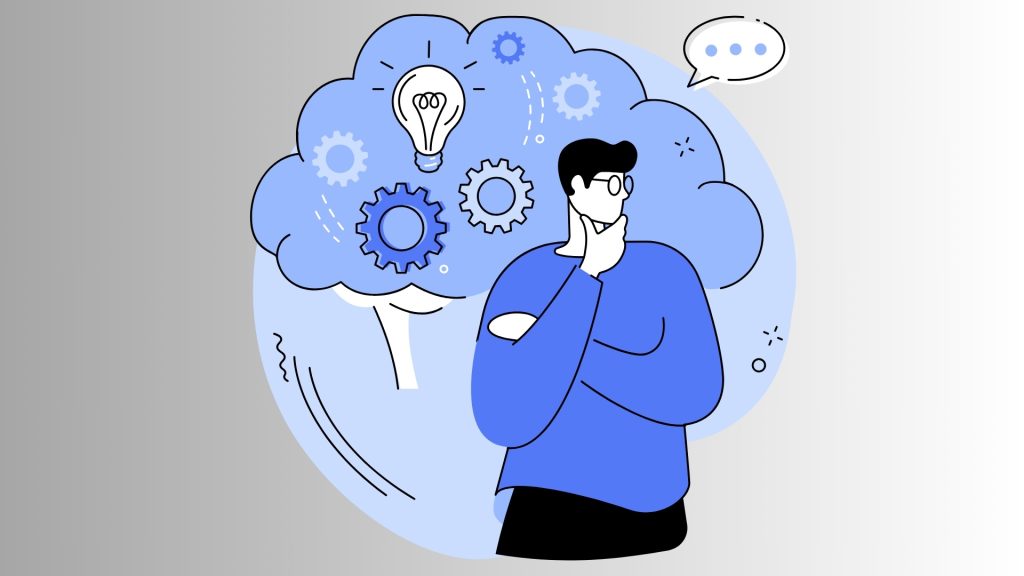
So is this a Pandora’s box that should stay closed? Or a holy grail for widening AI’s benefits? Reasonable minds can disagree. Impacts will likely come down to the prudence and care shown by developers and users. If wisdom balances unchecked enthusiasm, worst outcomes may be avoided. But priorities matter here. Let’s tread carefully to align emergent technology with human interests for the best chance of realizing the upside, not the downside.
Here is a discussion introducing how the GPT Store could open up a new category of AI content creators, beyond current social media influencers:
The launch of OpenAI’s GPT Store signals a pivotal shift – the rise of a totally new class of AI influencers and content creators.
Up until now, to build an audience and monetize it, creators have had to leverage mainstream platforms like YouTube, Instagram, TikTok etc. They drive views, likes and follows to earn advertising income based on engagement metrics.
However, the GPT Store turns the tables with a new model. It allows developers without traditional social media clout to directly monetize helpful AI capabilities via a revenue sharing program.
These AI influencers don’t need millions of followers. As long as their GPT bot attracts active usage and provides value to users – say by summarizing key research insights or providing niche coding tutorials – income can flow to creators. The more specialized utility the AI bot offers, the more recurring usage it may drive.
In this paradigm, developers don’t have to focus so much on catchy songs, dance trends or viral stunts to capture fleeting attention. Instead they can take a slower build approach centering utility. An academic could package their career knowledge into an AI tutor. A musician might encode their production techniques into a custom studio assistant.
Approaching the GPT Store

When evaluating a technology innovation like the GPT Store with potentially far-reaching impacts, it is important to :
1.Understand the emerging capabilities and use cases:
- What new functionalities and applications are enabled by customized AI models and easier access? Both positive and negative.
2.Recognize the shifting incentives at play:
- How might monetization models and human motivations shift as a result? How could that direct impacts in different trajectories?
3.Identify key dependencies that shape outcomes:
- What implementation choices, safeguards, policies, and community norms around development and adoption play a determining role?
4.Weigh tradeoffs rather than see questions simplistically as good/bad:
- Explore nuances – how leaving systems uncontrolled versus over-regulated might both have downsides depending on context.
In total, employ balanced critical thinking before forming conclusions.
In conclusion – the GPT Store offers both extraordinary positive potential and risks of misuse or unintended consequences at scale. Realizing more of the upside versus downside ultimately relies on wise policymaking and community stewardship just as much as the underlying technological capabilities. If approached thoughtfully, customized AI could profoundly empower human abilities in areas like creativity, productivity and learning – improving access to information and tools that were previously out of reach for many. But negligence could also set progress back. By recognizing what is within our control, we can maximize long-term benefits through consciously collaborative innovation.