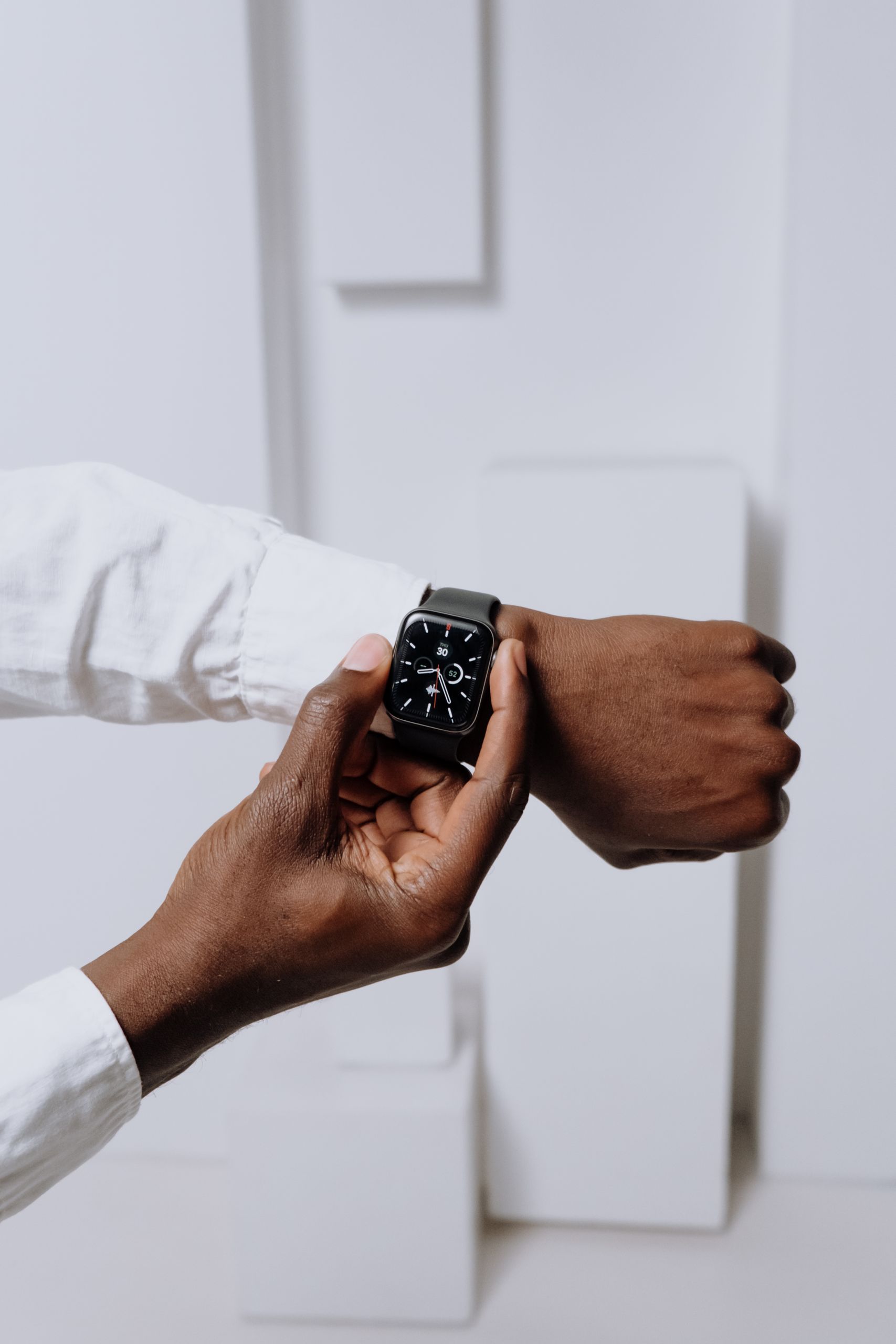
Just a few years ago, a smartwatch was considered advanced if it accurately counted your steps and buzzed when you received a text message. Today, we are standing in the middle of a biometric revolution. Consumers are no longer satisfied with reactive health metrics that tell them what they did yesterday. Instead, they are demanding clinical-level, data-driven tools that predict how they will feel tomorrow.
Welcome to the era of hyper-personalized health, where AI health wearables actively monitor the invisible physiological shifts happening beneath your skin. By integrating continuous glucose monitors (CGMs), highly sensitive recovery sensors, and real-time insights powered by Large Language Models (LLMs), modern wearables are transforming everyday health management.
Instead of a generic prompt to “breathe for one minute,” today’s smartwatches and smart rings act as silent, predictive sentinels. They can recognize the subtle autonomic nervous system changes that indicate impending stress, correlate a restless night’s sleep with a late-evening glucose spike, and deliver hyper-personalized coaching before a minor physical strain turns into full-blown exhaustion. Here is how the convergence of advanced biosensors and AI is making proactive health management a reality.
The Shift from Reactive Tracking to Proactive Health
The problem with early wearables was that they provided raw data without context. Knowing that you slept poorly or that your heart rate was elevated during a meeting is moderately interesting, but it is not inherently actionable. Data without interpretation often leads to confusion or, worse, “health anxiety”—a phenomenon where users obsess over their metrics without knowing how to improve them.
The wearable technology industry has aggressively pivoted to solve this problem. The focus has shifted from merely logging data to interpreting the relationships between different bodily systems. Manufacturers have realized that holistic health cannot be measured by a single metric. By analyzing a network of physiological signals simultaneously, AI health wearables can establish a highly accurate baseline for your body and alert you the moment you begin to deviate from it.
How Modern Smartwatches Actually Measure Stress
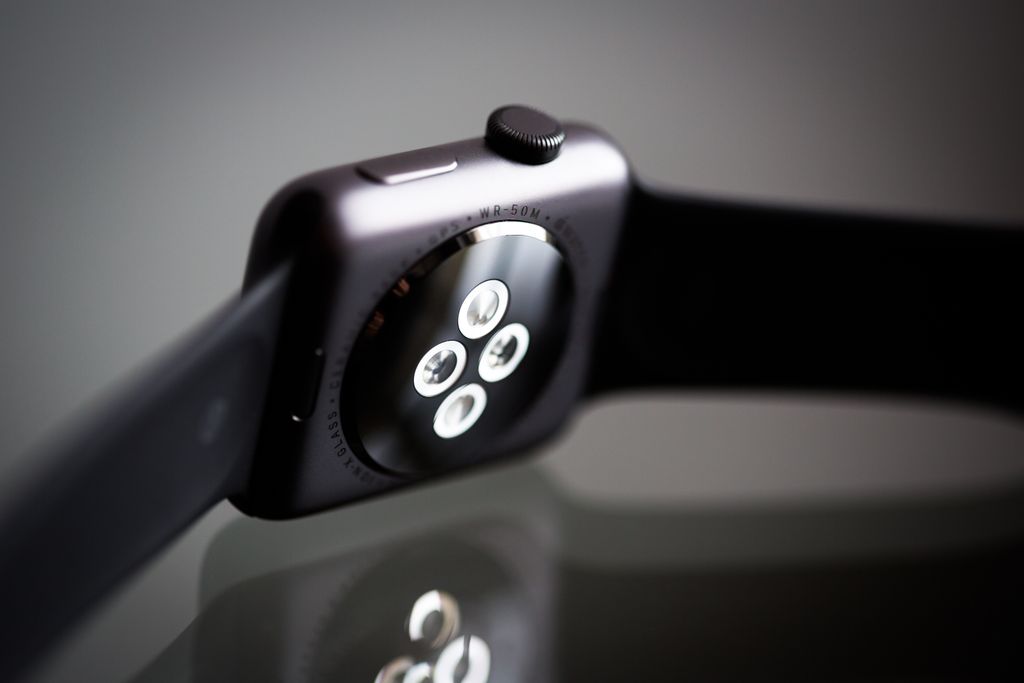
Stress is not just an emotional state; it is a measurable physical response. When you experience stress, your sympathetic nervous system—the network responsible for your “fight or flight” response—activates, triggering a cascade of physiological changes. Modern wearables use two primary methods to track this activation in real time.
Electrodermal Activity (EDA) and Skin Conductivity
One of the most significant advancements in smartwatch stress tracking is the miniaturization of continuous electrodermal activity (cEDA) sensors. Found in devices like the Google Pixel Watch 3 and the Fitbit Sense 2, cEDA sensors measure microscopic fluctuations in the sweat levels on your skin.
When you become mentally or emotionally stressed, your sweat glands produce a tiny amount of moisture, changing the electrical resistance of your skin. By continuously passing an imperceptible electrical current across the wrist, these wearables detect sudden peaks in skin conductivity. When combined with heart rate data and skin temperature, cEDA provides a highly accurate, real-time indicator of psychological arousal, allowing the watch to prompt you to step away from a stressful environment before you even realize you are feeling overwhelmed.
Heart Rate Variability (HRV) and Recovery Metrics
While cEDA measures immediate stress reactions, Heart Rate Variability (HRV) is the gold standard for tracking long-term systemic stress and recovery. HRV measures the exact time variance between your heartbeats. A high HRV indicates that your body is relaxed, adaptable, and recovering well, while a low HRV suggests that your nervous system is heavily taxed by physical exertion, illness, or chronic anxiety.
Devices like the Oura Ring 4 and high-end Garmin watches now evaluate your HRV over 14-day rolling windows to calculate your “resilience.” Because the human brain is poor at noticing a gradual, three-millisecond decline in HRV over two weeks, AI algorithms flag these subtle downward trends, warning you that you are trending toward burnout or overtraining before the physical symptoms manifest.
Continuous Glucose Monitors: The New Frontier in Wearable Tech
For decades, glucose monitoring was strictly a medical necessity for managing diabetes. However, the rise of over-the-counter Continuous Glucose Monitors (CGMs), such as the Dexcom G7 and Abbott FreeStyle Libre 3 Plus, has brought metabolic tracking to the general consumer market.
A CGM uses a tiny, flexible filament inserted just under the skin—usually on the back of the arm—to measure glucose levels in the interstitial fluid every few minutes. These sensors last for 10 to 15 days and transmit data directly to your smartphone or smartwatch via Bluetooth.
Integrating CGMs with Smartwatch Data
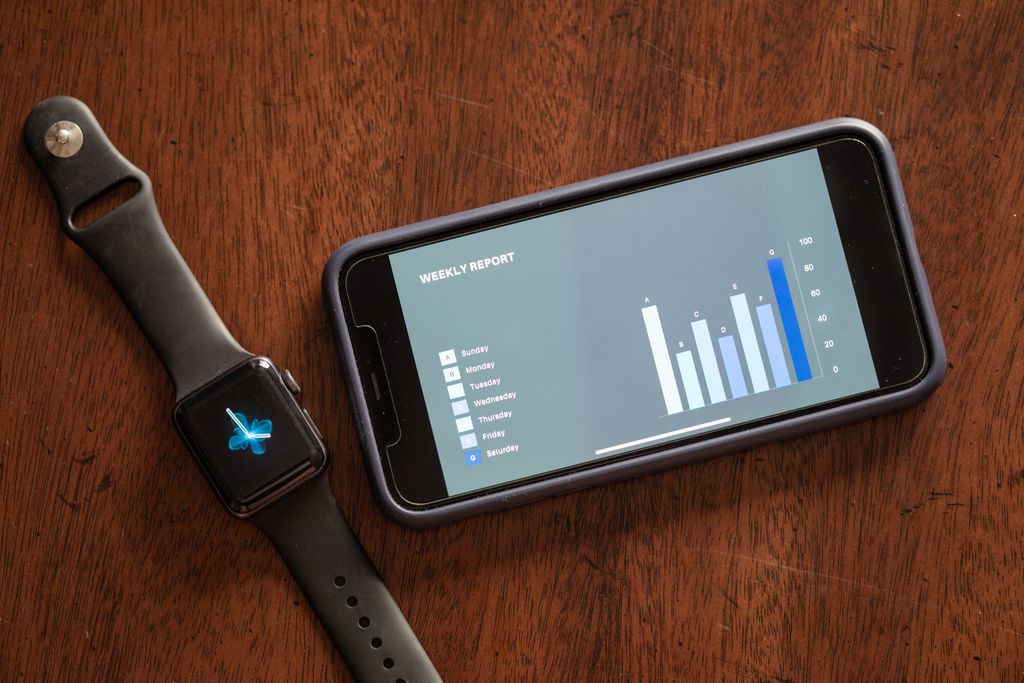
The true breakthrough in hyper-personalized health occurs when CGM data is layered over the biometric data collected by your smartwatch. Blood sugar volatility has a profound impact on energy levels, mood, and sleep quality.
When an AI health wearable processes both streams of data, the insights become incredibly specific. Instead of simply noting that you had a poor night of deep sleep, the AI can correlate that poor sleep with a severe glucose crash that occurred at 2:00 AM. It can show you how a high-carbohydrate lunch directly correlates with a spike in your physiological stress levels and a drop in your cognitive focus three hours later. This level of metabolic visibility allows users to tailor their nutrition and exercise timing to their unique biological responses.
The Role of LLMs: Turning Data into Actionable Insights
Collecting thousands of biometric data points daily requires an interpretation engine capable of processing massive amounts of unstructured information. This is where Large Language Models (LLMs) are changing the landscape of health technology.
From Generic Tips to Hyper-Personalized Advice
Early smartwatch health advice relied on rigid, rule-based coding: If heart rate is > 100 BPM and user is not moving, trigger a relaxation prompt. Today’s LLM-driven wellness engines are far more sophisticated. By analyzing your long-term biometric history, LLMs act as personalized health coaches that identify complex, multi-variable correlations. Because they understand natural language, these AI coaches can deliver insights conversationally.
For example, an LLM health coach might analyze your weekly data and deliver a prompt like: “I noticed your resting heart rate has been 5 BPM higher than normal for the last three days, and your HRV is dipping. This pattern usually occurs when your late-night glucose levels are elevated. Try moving your dinner an hour earlier tonight and taking a 15-minute walk afterward to help your nervous system reset.”
This is the promise of hyper-personalized health: advice that is entirely bespoke to your physiology, delivered precisely when you need it.
Privacy, Anxiety, and the Limits of Hyper-Personalization
While the capabilities of AI health wearables are remarkable, the integration of clinical-grade sensors into daily life introduces new challenges.
Managing Data Overload and Health Anxiety
With access to continuous heart rate, sleep architecture, stress levels, and glucose responses, some consumers fall into the trap of over-optimizing. Constantly checking a smartwatch to see if you are stressed can, ironically, cause stress.
To combat this, the best AI health platforms are moving toward a “less is more” interface philosophy. Rather than displaying a chaotic dashboard of raw numbers, the software operates quietly in the background, only surfacing information when there is an anomaly or a meaningful trend to report.
Data Privacy Considerations
Furthermore, biometric data is incredibly intimate. As LLMs process our stress triggers, menstrual cycles, and metabolic responses, the companies building these tools must ensure strict on-device processing and encrypted cloud storage. Consumers must carefully review data-sharing agreements, particularly when linking third-party CGMs with smartwatch health ecosystems, to ensure their physiological data is not being commodified or shared with insurers without explicit consent.
FREQUENTLY ASKED QUESTIONS
What is continuous electrodermal activity (cEDA)?
Continuous electrodermal activity (cEDA) is a sensor technology that measures microscopic changes in the sweat levels on your skin to detect physiological arousal and stress. It is currently available in advanced wearables like the Google Pixel Watch 3 and Fitbit Sense 2.
Can a smartwatch measure blood sugar without a needle?
No, optical blood glucose monitoring via a smartwatch without any skin penetration is not yet commercially viable or FDA-approved. Current smartwatch glucose features rely on connecting via Bluetooth to a dedicated Continuous Glucose Monitor (CGM) worn on the arm or stomach.
How do LLMs improve wearable health tracking?
LLMs (Large Language Models) analyze massive amounts of complex, overlapping biometric data to find personalized correlations that rigid algorithms miss. They translate raw numbers into natural-language coaching, helping you understand how your diet, sleep, and stress interact.
Will wearing a health tracker increase my anxiety?
It can, if you obsessively check your metrics. To avoid health anxiety, experts recommend focusing on long-term trends rather than daily fluctuations, and enabling notifications only for meaningful health anomalies rather than minor metric changes.
Are over-the-counter CGMs safe for people without diabetes?
Yes, over-the-counter CGMs are generally safe and are increasingly used by fitness enthusiasts to monitor metabolic health and optimize nutrition. However, users should consult a healthcare provider to ensure they are interpreting the data correctly and not making drastic, unnecessary dietary changes.
CONCLUSION
The transition from basic fitness trackers to comprehensive AI health wearables represents a fundamental shift in how we approach personal well-being. By combining the metabolic visibility of continuous glucose monitors with the emotional and physical stress tracking of cEDA and HRV sensors, modern wearables offer a 360-degree view of human physiology. Crucially, it is the integration of LLM-driven insights that makes this massive influx of data actionable, turning our smartwatches into proactive health coaches. As this technology matures, the goal is no longer just to log how many steps we take, but to seamlessly guide us toward better recovery, lower stress, and a deeper understanding of our own unique biology.