
For decades, the idea of a multipurpose robot helper has been a staple of science fiction. While consumer robotics has largely stalled at autonomous vacuum cleaners and smart speakers, the industrial sector is undergoing a massive transformation. Driven by rapid advancements in artificial intelligence, computer vision, and machine learning, modern robots are no longer just blind machines repeating pre-programmed movements.
Today, facilities like Hyundai’s new manufacturing metaplants and development environments powered by Nvidia’s robotics platforms are proving that machines can see, learn, and adapt to flexible tasks. This shift is fundamentally changing how consumer goods are built. However, the leap from a highly controlled factory floor to the chaotic environment of a human living room is a monumental engineering challenge.
Understanding how AI is reshaping industrial automation provides the clearest roadmap for when, and how, truly capable domestic robots will finally become a reality.
The Shift from Programmed Machines to AI Robotics
Traditional factory robots excel at doing exactly one thing millions of times without variation. An automotive welding arm from the 1990s is highly efficient, but if a car chassis is misaligned by a single inch, the robot will weld empty air or damage the vehicle. These older systems lack spatial awareness and adaptability.
The integration of generative AI and complex neural networks is creating a new class of robotic systems. Instead of relying on rigid, line-by-line coding, modern robots use computer vision to “see” their environment and machine learning to understand how to interact with it. If a part is dropped, the robot can locate it, adjust its grip, and continue the task. This transition from “blind automation” to “cognitive robotics” is the foundation of the current labor revolution.
How Hyundai’s Metaplants Are Redefining Manufacturing
The traditional assembly line, pioneered by Henry Ford, relies on a linear sequence. If one station stops, the entire line halts. Hyundai is dismantling this century-old concept with its new “metaplants,” such as the highly automated EV facility in Georgia and its innovation labs in Singapore.
Flexible Automation in Action
Instead of a conveyor belt, Hyundai utilizes a cell-based manufacturing system. Automated Guided Vehicles (AGVs) transport vehicle chassis between independent, robot-operated work cells. If one cell requires maintenance or is upgrading software, the AGVs simply route the cars to another active cell.
These factories heavily integrate AI and advanced robotics—often utilizing technology from Boston Dynamics, which Hyundai acquired. The robots in these metaplants are not just assembling parts; they are inspecting their own work using AI-driven cameras, identifying defects in real-time, and adjusting their torque and grip based on the specific material they are handling. This flexible manufacturing allows Hyundai to build multiple different vehicle models simultaneously in the same facility, shifting production dynamically based on consumer demand.
Nvidia’s Robotics Push: The Brains Behind the “Clawbots”
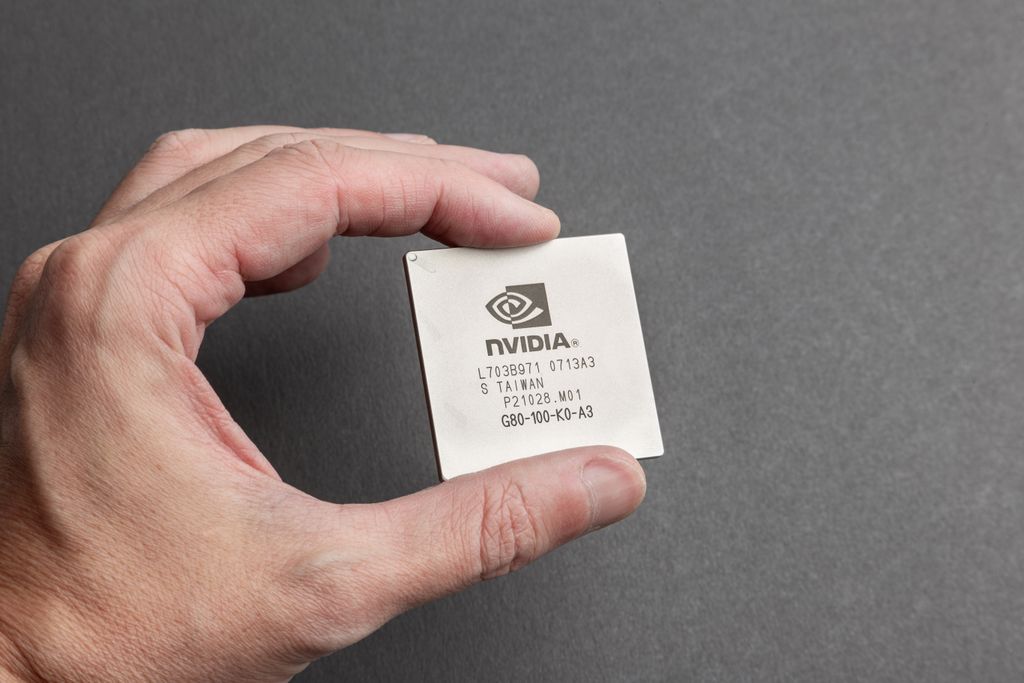
While companies like Hyundai are deploying the hardware, Nvidia is largely supplying the “brains.” Best known for manufacturing the GPUs that power large language models, Nvidia has made robotics a central pillar of its business. The company is actively developing AI systems to power highly dexterous robotic manipulators—often colloquially referred to as “clawbots” or smart arms.
AI Training in Simulation
Teaching a robotic hand to pick up an egg without crushing it, or to sort randomly piled cables, is incredibly difficult in the physical world. Physical trial and error takes years and results in broken hardware.
Nvidia solves this with platforms like Isaac Sim, a physically accurate virtual environment. In this software, digital twins of robotic arms practice tasks millions of times a day at accelerated speeds. Using reinforcement learning—the same trial-and-error AI method used to master chess—the robots learn the optimal way to handle complex physical objects. Once the AI model perfects the task in the virtual world, the “brain” is downloaded into the physical robot. This method is exponentially accelerating how quickly robots can learn fine motor skills.
The Gap Between the Factory and the Home
If robots can build electric vehicles and sort complex inventory, why do we not have robotic housekeepers doing our laundry and cooking our meals? The answer lies in the concept of structured versus unstructured environments.
| Environment Type | Characteristics | Examples | Robot Difficulty Level |
| Structured | Predictable, well-lit, mapped, strict rules, flat floors. | Warehouses, metaplants, assembly lines. | Low to Medium |
| Semi-Structured | Generally predictable, but with moving human elements. | Hospitals, grocery stores, delivery routes. | High |
| Unstructured | Chaotic, changing layouts, varying lighting, stairs, pets, clutter. | Living rooms, kitchens, backyards. | Extremely High |
A factory is designed for the robot. A home is designed for a human. A living room features shifting furniture, changing lighting conditions, fragile objects, pets, and small children. Navigating this safely requires a level of spatial reasoning, common sense, and adaptability that AI is only just beginning to grasp.
Realistic Timelines for Domestic Robotics
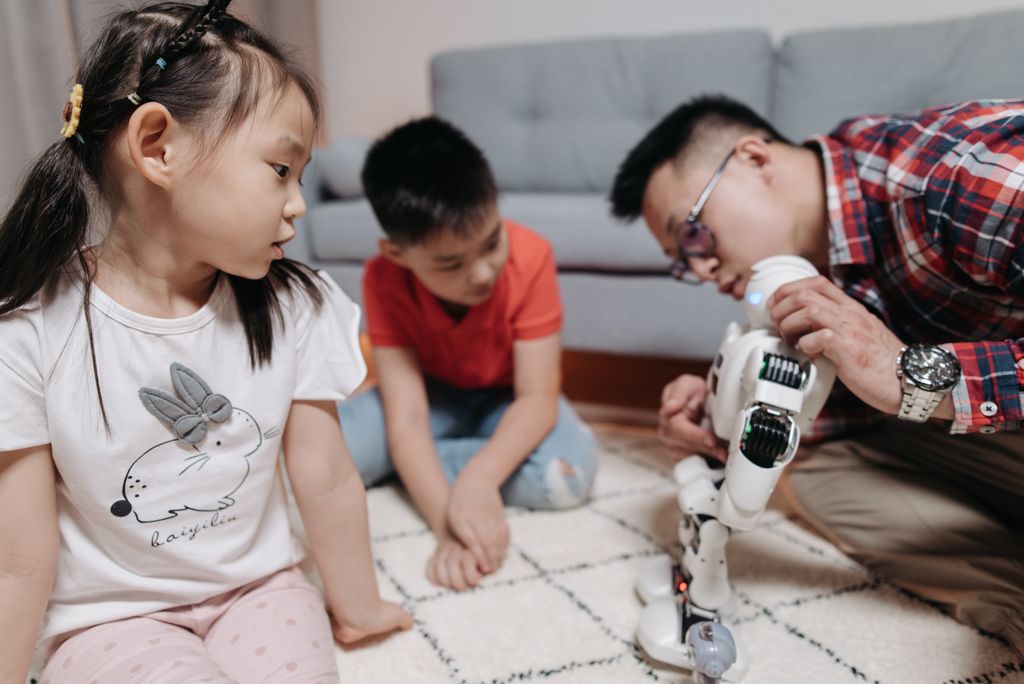
We will not see a sudden jump from robotic vacuums to fully autonomous, humanoid housekeepers. The transition into our living rooms will happen in distinct phases over the next decade:
- Task-Specific Assistants (Present – 2028): We will see more advanced single-purpose robots, such as robotic lawnmowers without boundary wires, pool cleaners, and security patrol bots for large properties.
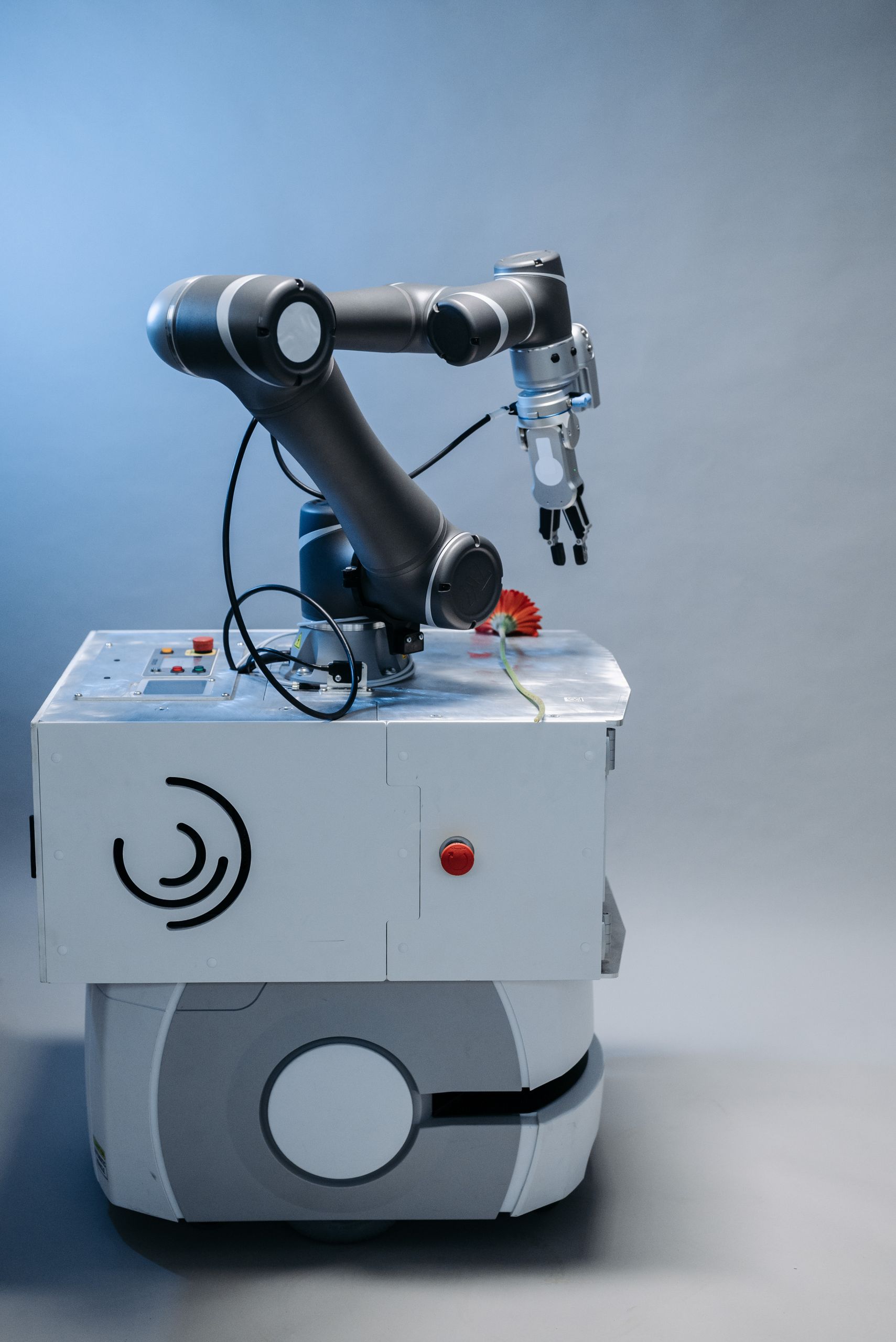
- Mobile Manipulators (2028 – 2032): The first true “helper” robots will likely resemble rolling bases with a single robotic arm. These will be targeted at mobility assistance for the elderly, fetching items, or loading dishwashers. They will be expensive and require carefully mapped homes.
- General Purpose Humanoids (2035 and beyond): Companies like Tesla (Optimus) and Figure AI are building bipedal humanoid robots. While they may see factory deployment by the late 2020s, the safety certifications, cost reductions, and AI reliability required for household deployment mean they are unlikely to be mainstream consumer products until the mid-to-late 2030s.
FREQUENTLY ASKED QUESTIONS
What is a manufacturing metaplant?
A metaplant is a highly advanced, digitized manufacturing facility that uses artificial intelligence, robotics, and data analytics to automate production. Unlike traditional factories, metaplants use cell-based assembly and digital twins to rapidly adapt to different manufacturing needs without shutting down the whole line.
How does Nvidia contribute to robotics?
Nvidia does not build consumer robots. Instead, it creates the underlying computing hardware (chips) and software platforms (like Isaac Sim and Project GR00T) that allow other companies to train their robots using AI in virtual environments before deploying them in the real world.
Why are humanoid robots so difficult to build for homes?
Homes are unpredictable, unstructured environments. A robot must balance on two legs, navigate stairs, recognize thousands of different objects, avoid pets, and safely interact with humans. Achieving this requires massive amounts of processing power, lightweight batteries, and highly advanced real-world AI reasoning.
Will AI robots take over human manufacturing jobs completely?
While AI robots will handle dangerous, repetitive, and heavy-lifting tasks, they are currently designed to augment human labor rather than replace it entirely. Humans are still required for complex problem-solving, quality assurance, facility maintenance, and managing the AI systems themselves.
How much will a domestic helper robot cost?
Early general-purpose domestic robots are expected to cost as much as a new car—anywhere from $20,000 to $50,000. Prices will only decrease once economies of scale are achieved through mass adoption in commercial sectors first.
CONCLUSION
The AI robotics revolution is already underway, but it is currently wearing a hard hat rather than an apron. Innovations at Hyundai’s metaplants and breakthroughs in Nvidia’s AI training platforms are proving that robots can finally learn, adapt, and handle complex physical tasks. While it will be years before an advanced humanoid robot is safely folding laundry in your living room, the technology bridging that gap is being tested on factory floors today. For consumers and tech enthusiasts, watching the industrial sector is the best way to preview the future of home automation.