

Most people spend hundreds of dollars on premium wireless headphones, expecting the absolute best sound quality available. Yet, a large portion of that cost goes toward batteries, Bluetooth chips, active noise cancellation, and brand marketing. If your primary goal is pure audio quality, the traditional consumer headphone market offers poor value for your money.
You do not need to spend thousands of dollars to experience high-fidelity audio. By understanding the core differences between audiophile vs consumer headphones, you can build a wired, high-resolution audio setup for under $100 that physically outperforms $300 wireless flagship models.
This guide explains the difference between mainstream audio and high-fidelity gear, and provides a clear, step-by-step blueprint for building a cheap audiophile setup that will change the way you listen to music.
Audiophile vs. Consumer Headphones: What’s the Difference?
To build a better audio setup, you first need to understand the philosophy behind how different headphones are tuned and manufactured.
Consumer Headphones: Built for Convenience
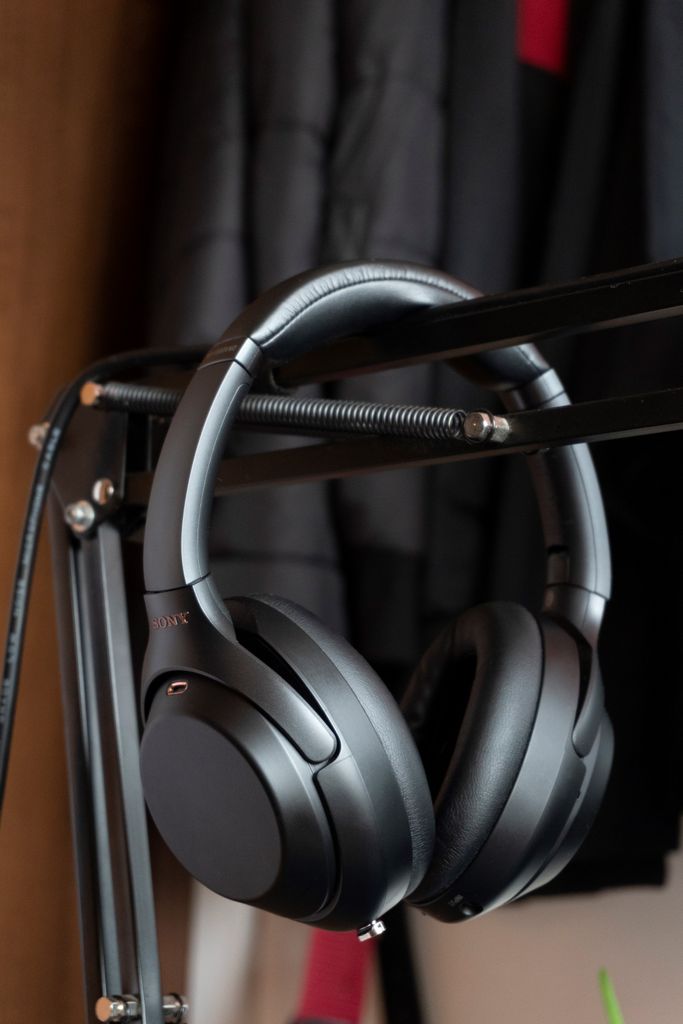
Consumer headphones prioritize lifestyle features. Brands like Sony, Bose, and Apple design these devices to be worn on commutes, in noisy offices, or at the gym.
Because they are built for convenience, they rely heavily on Bluetooth connectivity. Bluetooth, by design, compresses audio data, stripping away subtle details before the sound even reaches your ears. Furthermore, consumer headphones usually feature a “V-shaped” sound signature. This means the bass and treble are artificially boosted, while the mid-range vocals and instruments are pushed to the background. While this makes pop and hip-hop sound energetic, it obscures the natural details of the music and can cause listening fatigue over time.
Audiophile Headphones: Built for Accuracy
Audiophile headphones prioritize one thing: sound reproduction. The goal is to recreate the music exactly as the artist and audio engineer intended in the studio.
Instead of heavy, artificial bass, audiophile gear aims for a balanced, flat, or carefully targeted frequency response. You will hear details you never knew existed in your favorite songs—the faint sound of fingers sliding across a guitar fretboard, the precise location of a cymbal crash, or the subtle reverb of a recording room. Because they rarely rely on Bluetooth or internal batteries, every dollar you spend goes directly into the acoustic engineering of the physical speaker drivers.
Why a Cheap Wired Setup Beats Expensive Bluetooth
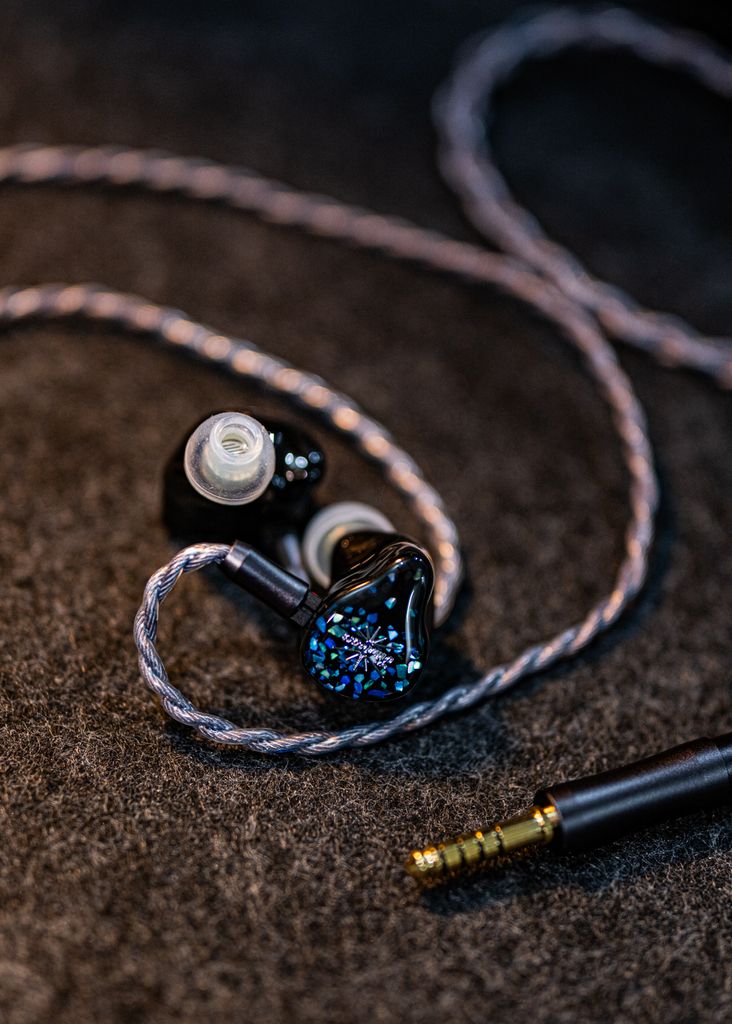
It sounds hard to believe that a $30 wired earphone can beat a $300 wireless headphone, but it comes down to hardware allocation.
When you buy a premium Bluetooth headphone, you are paying a “Bluetooth tax.” You are purchasing a battery, a microphone array, an active noise cancellation processor, a digital-to-analog converter (DAC), an amplifier, and the actual speakers, all crammed into a small plastic shell.
When you buy a $50 pair of wired In-Ear Monitors (IEMs), 100% of your money goes toward the acoustic design, the resin shell, and the precision-tuned drivers. Because a wired connection transfers uncompressed analog audio directly to the driver, there is no data loss. The physical hardware is vastly superior because it does not have to share the budget with smart features.
How to Build a Cheap Audiophile Setup
You only need three components to build an entry-level audiophile setup: a capable pair of headphones or IEMs, a clean source of power (a DAC/Amp), and high-quality audio files.
Step 1: Choose Budget In-Ear Monitors (IEMs)
In-Ear Monitors are the secret weapon of the budget audiophile world. Originally designed for performing musicians, IEMs fit deeply into the ear canal, providing excellent passive noise isolation without the need for electronic noise cancellation.
In recent years, the budget IEM market has seen massive advancements in driver technology. For between $20 and $50, you can purchase IEMs with dynamic or balanced armature drivers that provide incredible clarity, instrument separation, and accurate tuning.
If you prefer over-ear headphones, look for entry-level “open-back” headphones. Unlike standard closed headphones, open-back designs have perforated ear cups that let air and sound pass through. This creates a wide “soundstage,” making the music sound like it is being played in the room around you rather than inside your head. However, open-back headphones leak sound and do not block background noise, making them strictly for quiet, indoor listening.
Step 2: Get a Simple DAC/Amp
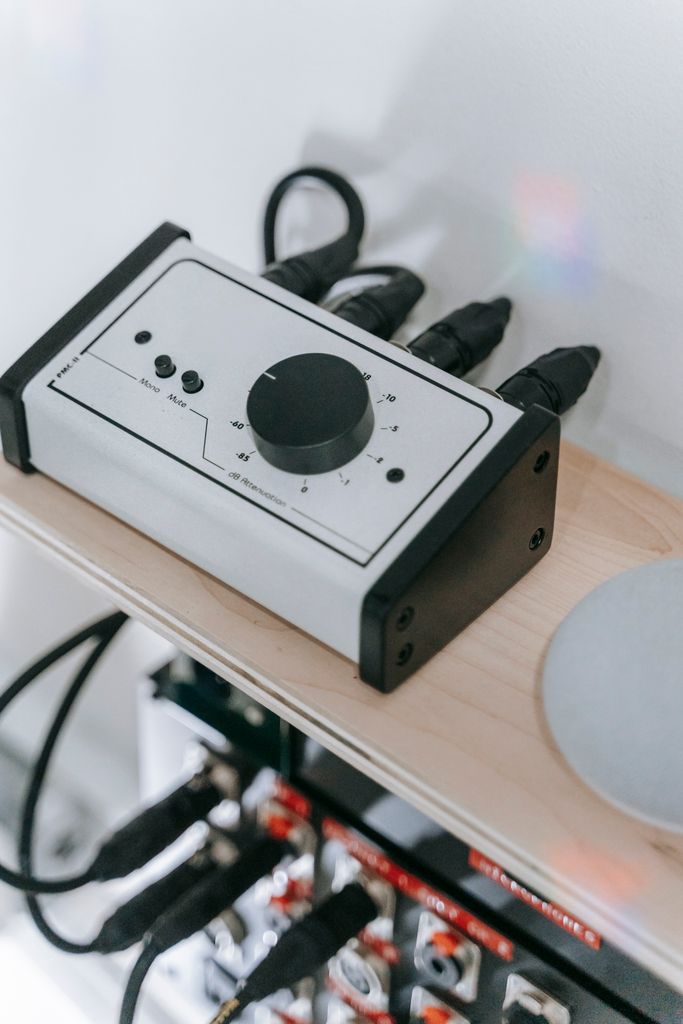
Your smartphone or computer already has a Digital-to-Analog Converter (DAC) and an amplifier inside it. However, internal components are often cheap and prone to electrical interference, which results in a low-level background hiss.
To get the most out of your new wired headphones, you need a dedicated external DAC/Amp. The easiest and most cost-effective method is the “Dongle Strategy.” A standard Apple USB-C to 3.5mm Headphone Jack Adapter costs around $10. Despite its cheap appearance, it contains a surprisingly clean, high-fidelity DAC chip that measures incredibly well in audio tests. If you are using an Android device or Windows PC, the Apple Dongle, or a budget alternative from brands like Fiio or Moondrop, is all the hardware you need to power budget IEMs flawlessly.
Step 3: Source High-Quality Audio
High-end hardware cannot fix low-quality audio files. If you are streaming highly compressed tracks from YouTube, your new audiophile setup will simply reveal the flaws and artifacts in the compression.
To take full advantage of your setup, stream lossless audio. Lossless audio files (such as FLAC or ALAC) retain all the data from the original studio master. Apple Music, Tidal, and Amazon Music Unlimited all offer high-resolution lossless streaming as part of their standard subscription tiers. If you use Spotify, make sure your audio quality settings are set to “Very High” to minimize compression until they release a lossless tier.
Entry-Level Audiophile Gear Comparison
To help you start, here is a look at the types of devices that make up a great budget setup.
| Component Type | What It Does | Why It Beats Consumer Gear | Estimated Budget |
| Budget IEMs | Delivers accurate, high-resolution audio directly into the ear canal. | Superior driver quality; zero Bluetooth compression; excellent passive isolation. | $20 – $50 |
| Open-Back Headphones | Provides a wide, natural soundstage for indoor listening. | Larger acoustic space; more natural treble and mid-range response. | $70 – $100 |
| USB-C DAC Dongle | Converts digital audio to clean analog signals and powers the headphones. | Removes electrical interference from your phone’s internal motherboard. | $10 – $30 |
Pros and Cons of Making the Switch
Before abandoning your wireless headphones, consider the practical trade-offs.
Pros:
- Significantly better sound clarity, detail, and soundstage
- Massive cost savings compared to flagship consumer tech
- No batteries to charge or degrade over time
- Wired connections have zero latency, making them perfect for gaming or video editing
Cons:
- You have to deal with physical cables
- No Active Noise Cancellation (ANC) or transparency modes
- Lacks multi-device Bluetooth switching
- Open-back headphones cannot be used in public or noisy environments
FREQUENTLY ASKED QUESTIONS
Do I need an expensive amplifier to run budget IEMs?
No. Budget In-Ear Monitors are highly sensitive and require very little power. A standard USB-C headphone adapter or the headphone jack on your laptop provides more than enough power to drive them to high volumes without distortion.
Will Spotify sound better on an audiophile setup?
Yes. Even though Spotify does not currently offer lossless audio, its highest quality Ogg Vorbis stream is quite good. A proper audiophile setup will still reveal far more detail in a Spotify track than an expensive Bluetooth headphone can.
Why do some people say audiophile headphones sound boring?
Consumer headphones boost bass heavily, conditioning listeners to expect a booming low-end. When those users switch to accurately tuned audiophile headphones, the music can initially sound flat or lacking in bass. After a few days of listening, your ears adjust, and you will begin to appreciate the improved clarity and midrange detail that the heavy bass used to cover up.
Can I use IEMs for gaming?
Yes. Because they have zero latency, precise imaging (the ability to hear exactly where a sound is coming from), and excellent detail retrieval, IEMs have become incredibly popular in the competitive gaming and streaming communities.
CONCLUSION
The divide between audiophile vs consumer headphones ultimately comes down to priorities. If you need maximum convenience, battery life, and noise cancellation for a busy commute, a premium wireless headset makes sense. But if your primary goal is to experience your music as clearly and beautifully as possible, you do not need to spend hundreds of dollars. By pairing a set of highly tuned budget IEMs with a simple USB-C DAC, you can build a cheap audiophile setup that physically outclasses expensive consumer electronics, bringing you closer to the music you love.