
Which OS is better, iOS vs Android? How do you decide between iOS vs Android for your smartphone? You’ve undoubtedly heard this question a million times. Without being too technical, this essay will provide clear answers to all of your questions.
iOS vs Android

iOS is a closed-source, Unix-based operating system developed by Apple for its mobile devices. It utilizes the XNU kernel and offers a graphical user interface based on the UIKit framework. The operating system emphasizes security through mechanisms like sandboxing and app signing while also prioritizing user privacy with features like App Tracking Transparency.
iOS applications are primarily developed using Swift or Objective-C programming languages and distributed through the Apple App Store. The operating system supports features such as seamless integration with iCloud, regular software updates for a wide range of devices, and a consistent user experience across Apple devices.
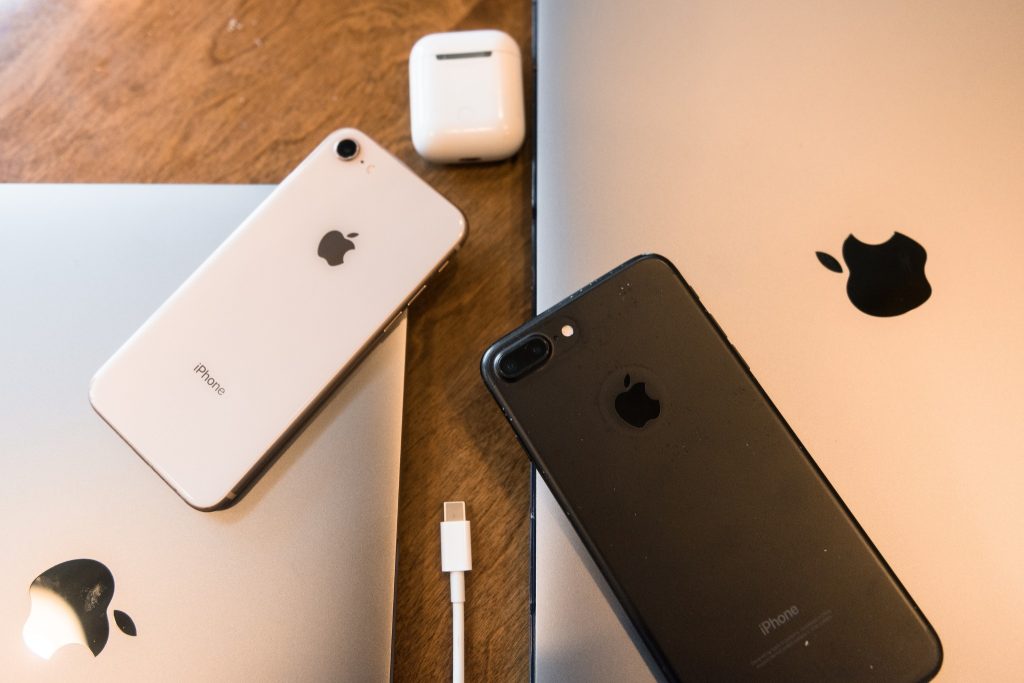
- Ecosystem Integration: iOS can be easily integrated with other Apple devices and services like iCloud, MacBook, iPad, Apple Watch, etc. This can be advantageous if you’re already invested in the Apple ecosystem.
- User Experience: iOS offers a consistent and polished user experience across devices. The interface is generally intuitive and user-friendly.
- App Store: Apple’s App Store is known for its stringent app approval process, which generally results in a more curated and secure app environment. However, this can also mean a longer wait for app updates and more restrictions for developers.
- Updates: Apple tends to provide software updates to a wide range of devices for several years, ensuring that even older devices receive new features and security updates.
- Privacy and Security: iOS is often praised for its strong emphasis on privacy and security. App permissions are well defined, and users have more control over their data.
- Customization: iOS offers less customization compared to Android. While you can personalize your device, you have fewer options for adjusting the look and feel of the interface.
Android
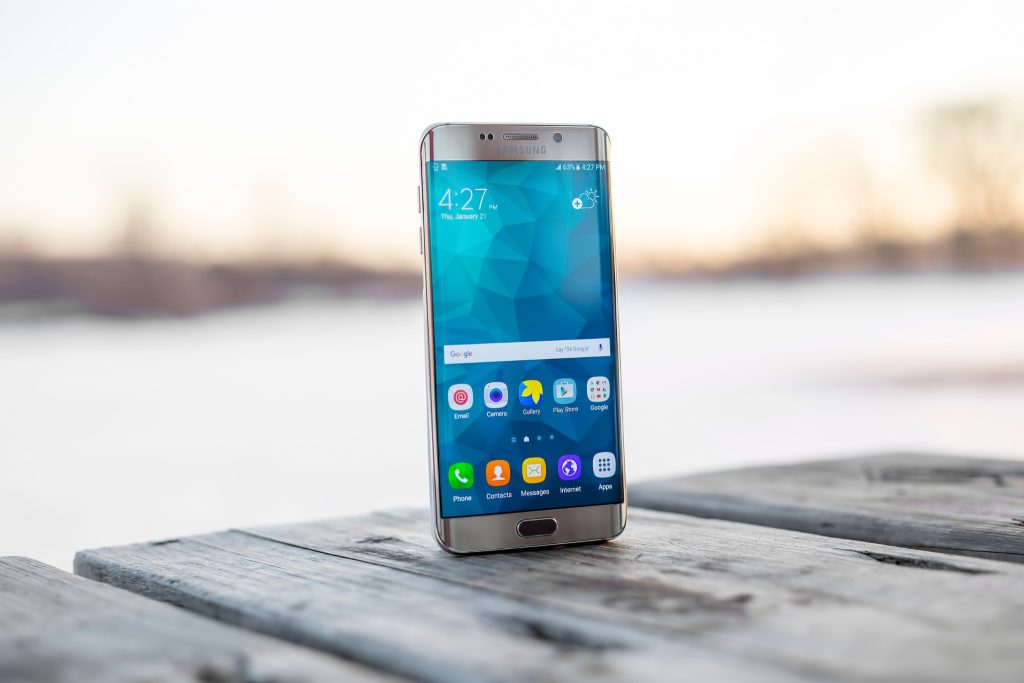
Android is an open-source mobile operating system developed by Google. It offers extensive customization options, supports a wide range of hardware from different manufacturers, and provides access to a diverse selection of apps through the Google Play Store. Its open nature allows for flexibility in app distribution, but caution is needed to prevent security vulnerabilities. Android integrates with Google services, and updates can vary based on manufacturer and carrier policies, resulting in potential fragmentation. Overall, Android provides a versatile and customizable mobile platform.
- Google Services Integration: Android devices are tightly integrated with Google services such as Gmail, Google Drive, Google Maps, and more. If you use these services frequently, this integration can be beneficial.
- User Experience: Android offers a more diverse user experience compared to iOS. Its customization options and wide range of hardware choices allow users to tailor their devices to their preferences. In contrast, iOS provides a more streamlined and consistent user experience across devices, with a focus on simplicity and ease of use.
- Device Variety: Android is available on a wide range of devices from various manufacturers, offering more options in terms of design, features, and price points.
- App Availability: The Google Play Store has a larger number of apps compared to the App Store. Additionally, Android allows the installation of apps from third-party sources, giving you more flexibility but also a greater risk of security issues if not done carefully.
- Updates: While Android has made strides in improving update distribution, the update process can still vary significantly depending on the manufacturer and carrier. Some devices might not receive updates as promptly or consistently as iOS devices.
- Privacy and Security: While Android has made efforts to improve privacy and security, the open nature of the platform can make it more susceptible to malware and data breaches, especially if users aren’t cautious.
- Customization: Android provides extensive customization options, allowing users to personalize their devices with widgets, themes, and alternative launchers. You have more control over the appearance and behaviour of your device.
Conclusion:
Ultimately, the choice between iOS vs android depends on your preferences and priorities. If you value ecosystem integration, a curated app store, strong privacy measures, and a polished user experience, iOS might be the better choice for you.
On the other hand, if you prefer customization, a wide range of device options, and greater flexibility in app sources, Android might be more suitable. Consider your existing tech ecosystem, your willingness to customize, and your preferred app environment when making your decision.