
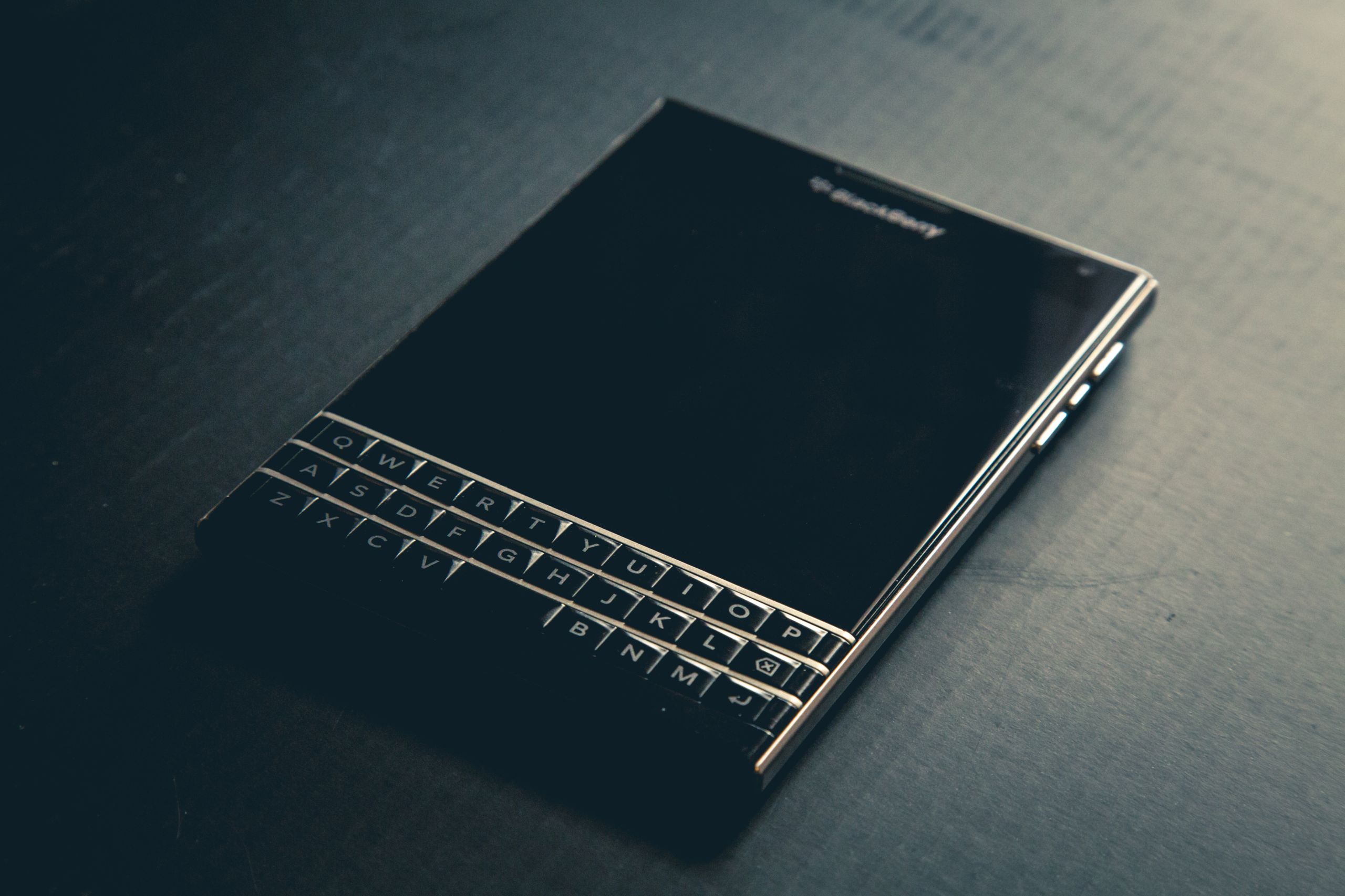
In the mid-2000s, holding a BlackBerry was the ultimate symbol of professional status and tech-savviness. Nicknamed “CrackBerry” for their addictive nature, these devices dominated the corporate world, government agencies, and eventually the consumer market. With their tactile QWERTY keyboards, secure email routing, and the massively popular BlackBerry Messenger (BBM) network, Research In Motion (RIM)—the Canadian company behind BlackBerry—seemed unstoppable.
By 2010, BlackBerry controlled nearly half of the United States smartphone market. Yet, just a decade later, the brand’s global market share had flatlined to zero.
The story of what happened to BlackBerry is often cited as a cautionary tale of corporate complacency. However, the complete picture is much more complex. While the company lost the smartphone hardware war to Apple and Google, it did not go bankrupt. Instead, BlackBerry executed a massive pivot. Here is the full breakdown of how BlackBerry lost its crown, the fatal mistakes made along the way, and where the company operates today.
The “CrackBerry” Era: Dominating the Smartphone Market
Before touchscreens ruled the world, productivity required a physical keyboard. BlackBerry perfected mobile typing. Early devices like the BlackBerry 850 (released in 1999) were essentially two-way pagers, but they introduced a revolutionary concept: push email.
Business professionals could suddenly receive and respond to emails instantaneously without logging into a computer. As the hardware evolved into full-fledged phones like the iconic BlackBerry Pearl, Curve, and Bold series, the devices gained massive consumer appeal.
The secret weapon was BBM (BlackBerry Messenger). Long before iMessage or WhatsApp, BBM offered instant, secure, and free messaging between BlackBerry users. It created a powerful network effect—if your friends or colleagues had a BlackBerry, you needed one too.
At its peak, BlackBerry’s infrastructure was renowned for its unparalleled security. The data routing was so heavily encrypted that governments and military organizations mandated BlackBerry use for their personnel.
The Turning Point: The iPhone and Android Revolution
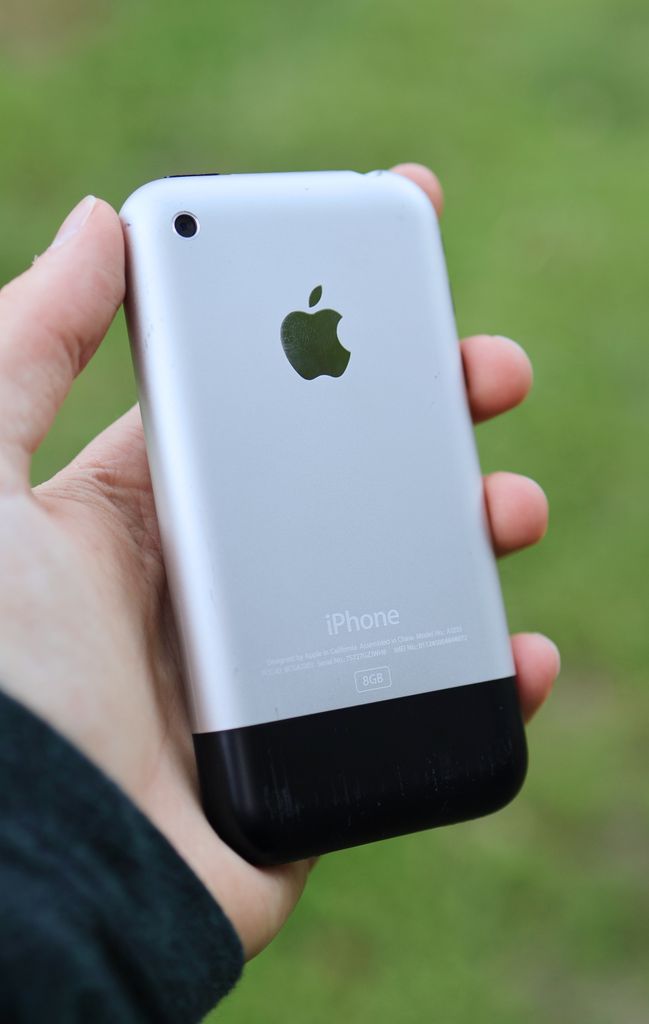
The tectonic plates of the mobile industry shifted on January 9, 2007, when Apple announced the original iPhone.
At the time, BlackBerry leadership underestimated the threat. The iPhone lacked a physical keyboard, had terrible battery life, operated on a slow 2G network, and was not secure enough for enterprise IT departments. RIM’s executives believed consumers would never trade the efficiency of a QWERTY keyboard for a fragile piece of glass.
However, Apple and Google (which launched Android shortly after) understood something crucial: the smartphone was evolving from a business utility into a mobile entertainment and internet consumption device.
Where BlackBerry miscalculated:
- The App Economy: Apple launched the App Store in 2008, inviting third-party developers to build games, utilities, and social media platforms. BlackBerry’s operating system was notoriously difficult for developers to work with, leaving their app ecosystem barren.
- Touchscreens vs. Keyboards: Consumers overwhelmingly preferred the large, media-friendly screens of the iPhone and early Androids. Browsing the full internet on a BlackBerry screen was a frustrating experience.
- Consumer vs. Enterprise: BlackBerry focused on keeping IT managers happy with strict security controls, while Apple and Samsung focused on keeping everyday consumers happy. Eventually, employees started demanding to use their iPhones at work (the “Bring Your Own Device” or BYOD movement), forcing IT departments to adapt.
Missteps and Final Attempts to Survive
Realizing their market share was slipping, BlackBerry attempted to fight back, but their responses were frequently delayed or poorly executed.
The BlackBerry Storm Disaster
In 2008, the company released the BlackBerry Storm, its first touchscreen device. Rushed to market to compete with the iPhone, it featured a “clickable” screen designed to mimic physical keys. The hardware was universally panned as clunky, and the software was incredibly buggy. The high return rate severely damaged the brand’s reputation.
The BlackBerry 10 Delay
Recognizing that their legacy operating system could not handle modern mobile computing, BlackBerry rebuilt their software from the ground up. The resulting OS, BlackBerry 10, was actually highly advanced, featuring excellent gesture controls and a unified communication hub.
However, BB10 was delayed for years, finally launching in 2013 with the BlackBerry Z10. By then, iOS and Android had completely monopolized developer attention. Without essential apps like Instagram or a native YouTube app, BB10 was dead on arrival.
The Shift to Android and Licensing
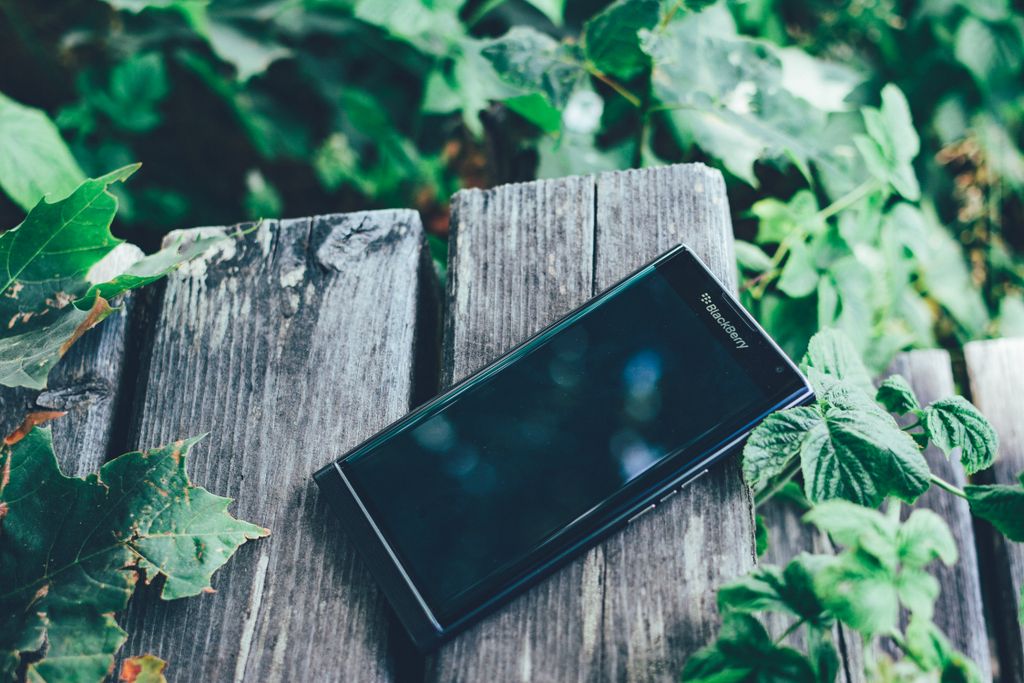
In a final attempt to save its hardware division, BlackBerry swallowed its pride and adopted the Android operating system. In 2015, they released the BlackBerry Priv, an Android phone with a slide-out physical keyboard. While critically praised for its security features, it was priced too high to gain meaningful traction.
By 2016, BlackBerry realized manufacturing hardware was no longer profitable. They stopped designing their own phones and struck a licensing deal with TCL Communication to manufacture Android phones bearing the BlackBerry name, such as the BlackBerry KeyOne and Key2. This partnership quietly ended in 2020.
The Final Nail: Shutting Down Legacy Services
The definitive end of the classic BlackBerry smartphone era occurred on January 4, 2022.
On this date, BlackBerry officially decommissioned the infrastructure and servers required to support BlackBerry 7.1 OS, BlackBerry 10, and BlackBerry PlayBook OS. This meant that any older, classic BlackBerry devices still in the wild lost the ability to reliably make phone calls, send text messages, or dial emergency services.
Does BlackBerry Still Exist Today?
Yes, BlackBerry is still a multi-billion dollar publicly traded company. When current CEO John Chen took over in 2013, he orchestrated a massive pivot from failing hardware manufacturer to enterprise software and cybersecurity firm.
Today, you are likely using BlackBerry technology without realizing it. Their business is split into two main divisions:
1. Cybersecurity and Enterprise Software
Leveraging their historical pedigree in data protection, BlackBerry acquired the artificial intelligence cybersecurity firm Cylance in 2018. Today, BlackBerry provides AI-driven threat detection, endpoint security, and critical event management software to governments, banks, and massive corporations worldwide.
2. QNX and the Internet of Things (IoT)
BlackBerry’s most successful modern product is QNX, a highly secure, real-time operating system. QNX is heavily utilized in the automotive industry. It powers the infotainment systems, digital instrument clusters, and advanced driver-assistance systems (ADAS) in hundreds of millions of vehicles across brands like Ford, BMW, Toyota, and Honda.
FREQUENTLY ASKED QUESTIONS
Can I still buy and use a BlackBerry phone today?
You can no longer buy a new BlackBerry smartphone. While you might find used models online, classic devices running BlackBerry OS will no longer function properly on cellular networks since the company shut down its legacy servers in 2022. Android-based models like the Key2 technically still function, but they are severely outdated, lack modern security updates, and are not recommended for daily use.
Why didn’t BlackBerry switch to Android sooner?
BlackBerry management believed their proprietary software and world-class security were their main competitive advantages. They feared that adopting Android would commoditize their hardware, making them just another face in a crowded sea of Android manufacturers. By the time they finally released an Android device (the Priv), consumer loyalty had already shifted to Samsung and other Android giants.
Will BlackBerry ever make a new phone?
It is highly unlikely. In 2020, a startup named OnwardMobility announced plans to release a new 5G BlackBerry smartphone with a physical keyboard. However, in early 2022, OnwardMobility completely shut down, and BlackBerry’s licensing agreements for mobile hardware officially expired. The company is now strictly focused on software and IoT.
Why did BBM fail against WhatsApp?
BBM was restricted exclusively to BlackBerry hardware for years, used as an incentive to force consumers to buy their phones. By the time BlackBerry finally made BBM available as an app for iOS and Android in 2013, WhatsApp and iMessage had already captured hundreds of millions of users across all platforms.
CONCLUSION
What happened to BlackBerry is a stark reminder that past success does not guarantee future survival in the technology sector. By prioritizing enterprise IT demands over consumer preferences, underestimating the importance of app ecosystems, and clinging to physical keyboards for too long, BlackBerry surrendered its smartphone dominance to Apple and Android.
However, unlike many fallen tech giants, BlackBerry survived. By recognizing when the hardware battle was lost, the company successfully reinvented itself. Today, BlackBerry remains a quiet powerhouse in the automotive software and enterprise cybersecurity sectors, proving that adaptability is the most valuable feature a tech company can possess.