

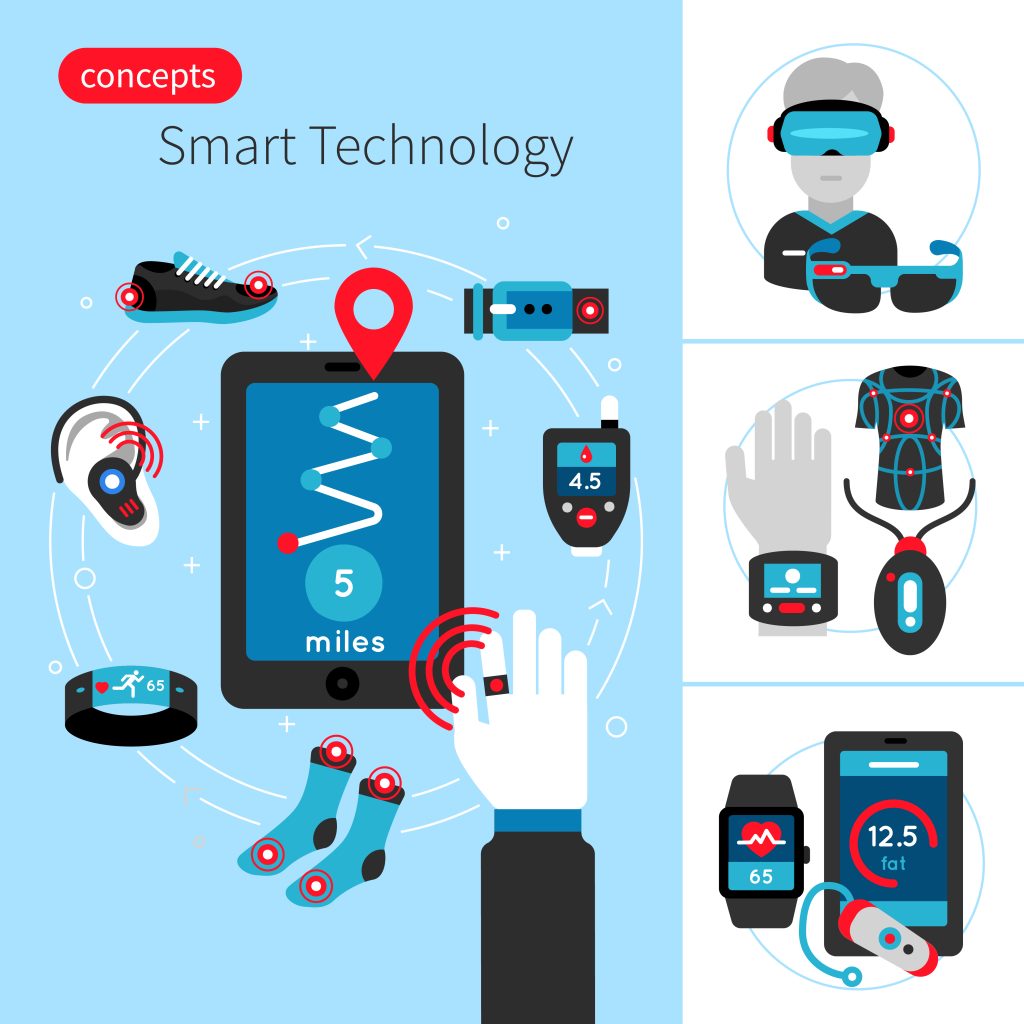
Wearable technology has revolutionized the way we interact with the digital world, blurring the lines between our physical and virtual realities. From fitness trackers to augmented reality glasses, these devices have become an integral part of our daily lives, and their potential is just beginning to be realized. As we move towards a future where technology is seamlessly integrated into our everyday experiences, wearable technology will play a pivotal role in shaping the way we live, work, and play.
The Rise of Immersive Experiences
One of the most exciting developments in wearable technology is the emergence of immersive experiences powered by virtual and augmented reality. Companies like Meta (formerly Facebook) and Microsoft are investing heavily in this space, creating headsets and glasses that transport users into fully realized digital environments or overlay virtual elements onto the physical world.
These immersive experiences have applications across a wide range of industries, from gaming and entertainment to education and training. Imagine being able to attend a virtual concert or take a guided tour of ancient ruins without ever leaving your living room. Or envision surgeons being able to practice complex procedures in a risk-free, simulated environment before operating on real patients.
The potential for wearable technology to revolutionize the way we learn, collaborate, and engage with digital content is truly staggering. As the hardware and software continue to evolve, we can expect to see an explosion of innovative applications that will transform the way we interact with the world around us.
Empowering the Workforce
Wearable technology is not just about entertainment and leisure; it also has the potential to revolutionize the way we work. From hands-free computing solutions to augmented reality tools, wearable devices are being designed to increase productivity, enhance safety, and streamline workflows across various industries.
In manufacturing and logistics, for example, smart glasses and headsets can provide workers with real-time data and instructions, reducing the need for physical manuals or constant supervision. This not only improves efficiency but also minimizes the risk of errors and accidents.
Similarly, in construction and engineering, wearable technology can be used to visualize 3D models and blueprints on-site, allowing for more accurate planning and execution of projects. Architects and designers can leverage augmented reality to overlay their designs onto the physical environment, enabling them to better understand the spatial relationships and make more informed decisions.
The integration of wearable technology into the workplace is not limited to physical labor or field operations. Even in office environments, smartwatches and other wearable devices can facilitate more seamless communication, task management, and data access, enabling employees to stay connected and productive while on the go.

Personalized Wearable Technology
One of the earliest and most widespread applications of wearable technology has been in the realm of health and wellness. Fitness trackers and smartwatches have become ubiquitous, offering users the ability to monitor their physical activity, sleep patterns, and vital signs in real-time.
However, the future of wearable technology in healthcare goes far beyond simple fitness tracking. Researchers and developers are exploring the potential of wearable devices to monitor chronic conditions, detect early signs of illness, and even administer personalized treatment regimens.
Imagine a world where your wearable device can detect subtle changes in your body chemistry or vital signs, alerting you and your healthcare provider to potential issues before they become serious. Or envision a future where personalized medicine is delivered directly through a wearable device, tailoring dosages and treatments to your individual needs and responses.
As the technology continues to advance, we can expect to see a convergence of wearable devices, artificial intelligence, and big data analytics, enabling a truly personalized and proactive approach to healthcare. This could not only improve patient outcomes but also reduce the overall burden on healthcare systems by focusing on preventive measures and early intervention.
Seamless Connectivity and the Internet of Things
At the heart of the wearable technology revolution is the concept of seamless connectivity and the Internet of Things (IoT). Wearable devices are designed to seamlessly integrate with other smart devices, sensors, and applications, creating an interconnected ecosystem that can enhance virtually every aspect of our lives.
Imagine a world where your smartwatch can automatically adjust the temperature and lighting in your home as you approach, or where your fitness tracker can sync with your smart refrigerator to provide personalized meal recommendations based on your nutritional needs and activity levels.
This level of interconnectivity not only offers convenience and efficiency but also opens up new possibilities for data collection and analysis. By combining data from multiple sources, wearable technology can provide a comprehensive picture of our behaviors, habits, and environments, enabling more informed decision-making and personalized solutions.
As the IoT continues to expand, we can expect to see wearable technology playing a pivotal role in bridging the gap between the physical and digital worlds, enabling seamless communication and control between devices and systems.
Challenges and Considerations
While the potential of wearable technology is undeniable, there are also significant challenges and considerations that must be addressed as this technology continues to evolve.
Privacy and security concerns are among the most pressing issues, as wearable devices collect and transmit vast amounts of personal data. Ensuring that this data is properly protected and used responsibly will be crucial for maintaining consumer trust and adoption.
Additionally, the integration of wearable technology into various industries and applications will require a significant investment in infrastructure, training, and regulatory frameworks. Businesses and organizations will need to adapt their processes and policies to accommodate these new technologies, while also ensuring that they are being used in a safe and ethical manner.
Finally, there is the question of accessibility and inclusivity. As wearable technology becomes more prevalent, it will be essential to ensure that these devices and experiences are designed with accessibility in mind, catering to users with diverse abilities and needs.
In the Essence
The future of wearable technology is bursting with possibilities, from immersive virtual environments to personalized healthcare solutions and seamless connectivity. As this technology continues to evolve, it has the potential to revolutionize the way we live, work, and interact with the world around us.
However, realizing this potential will require a collaborative effort from developers, businesses, and policymakers to address the challenges and ensure that wearable technology is developed and implemented in a responsible, ethical, and inclusive manner.
As we stand on the cusp of this technological revolution, it is up to us to embrace the opportunities presented by wearable technology while also remaining mindful of the potential pitfalls and unintended consequences. By striking the right balance, we can harness the power of wearable technology to create a future that is not only more connected and efficient but also more equitable and sustainable for all.